Weddings
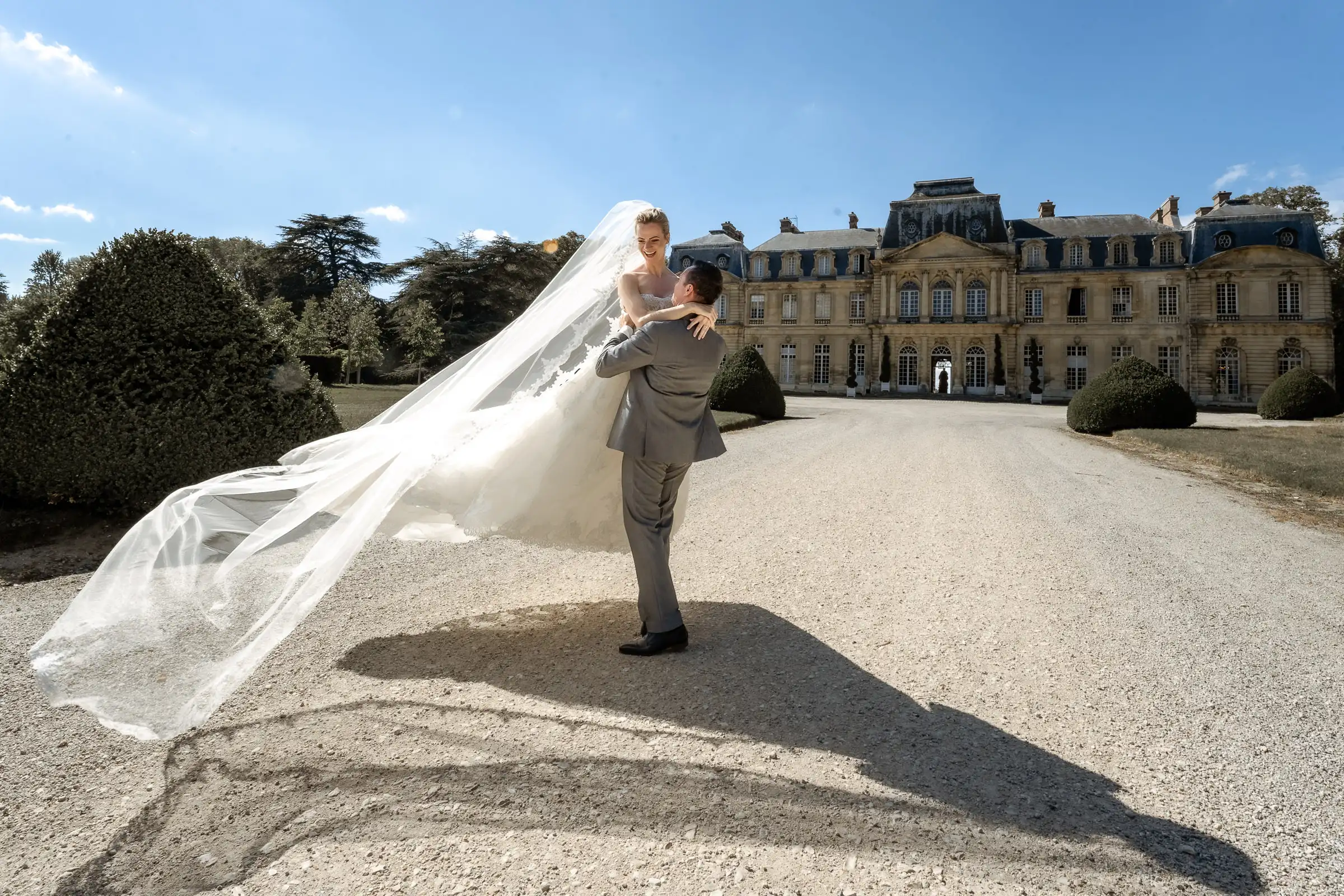
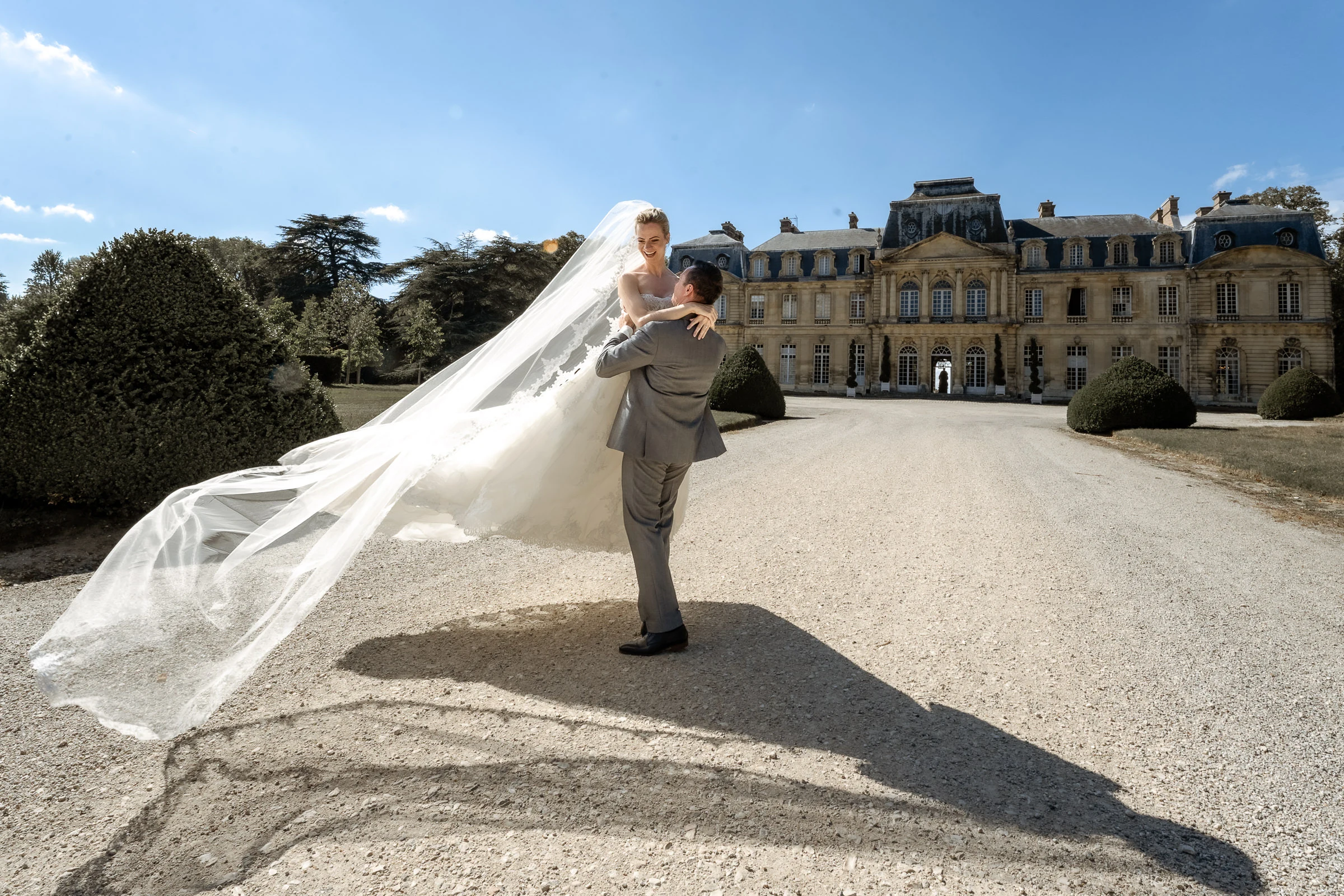
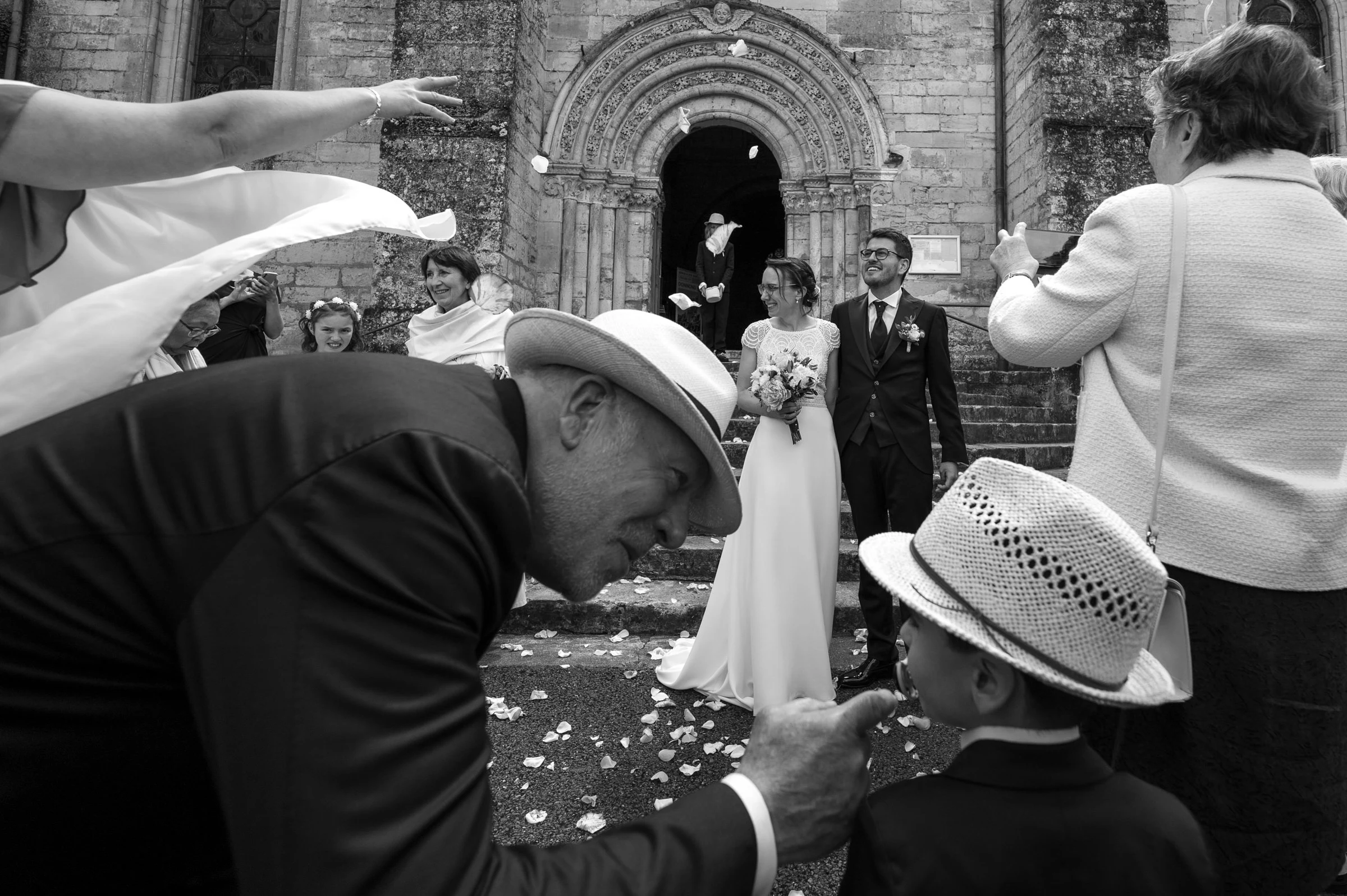
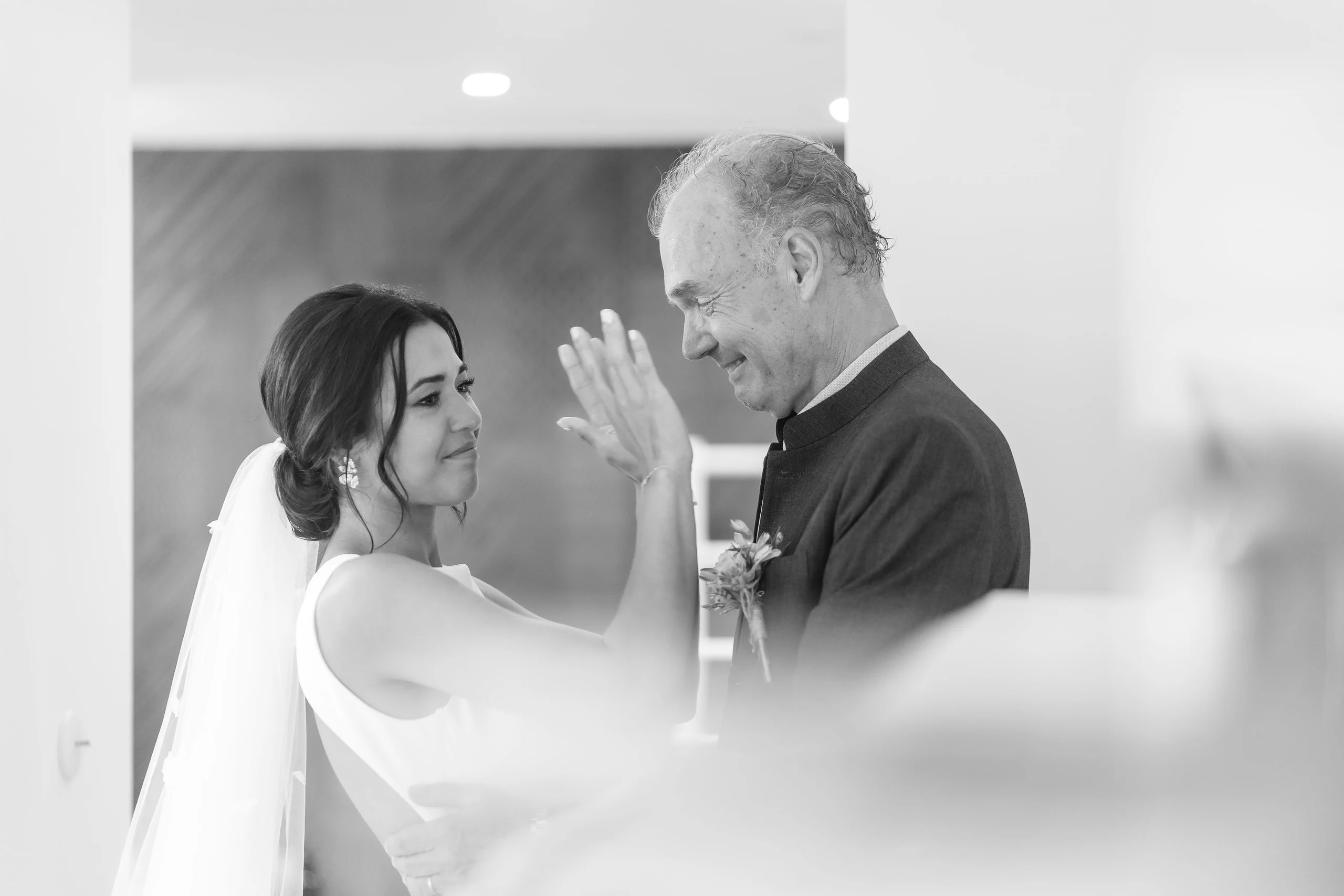
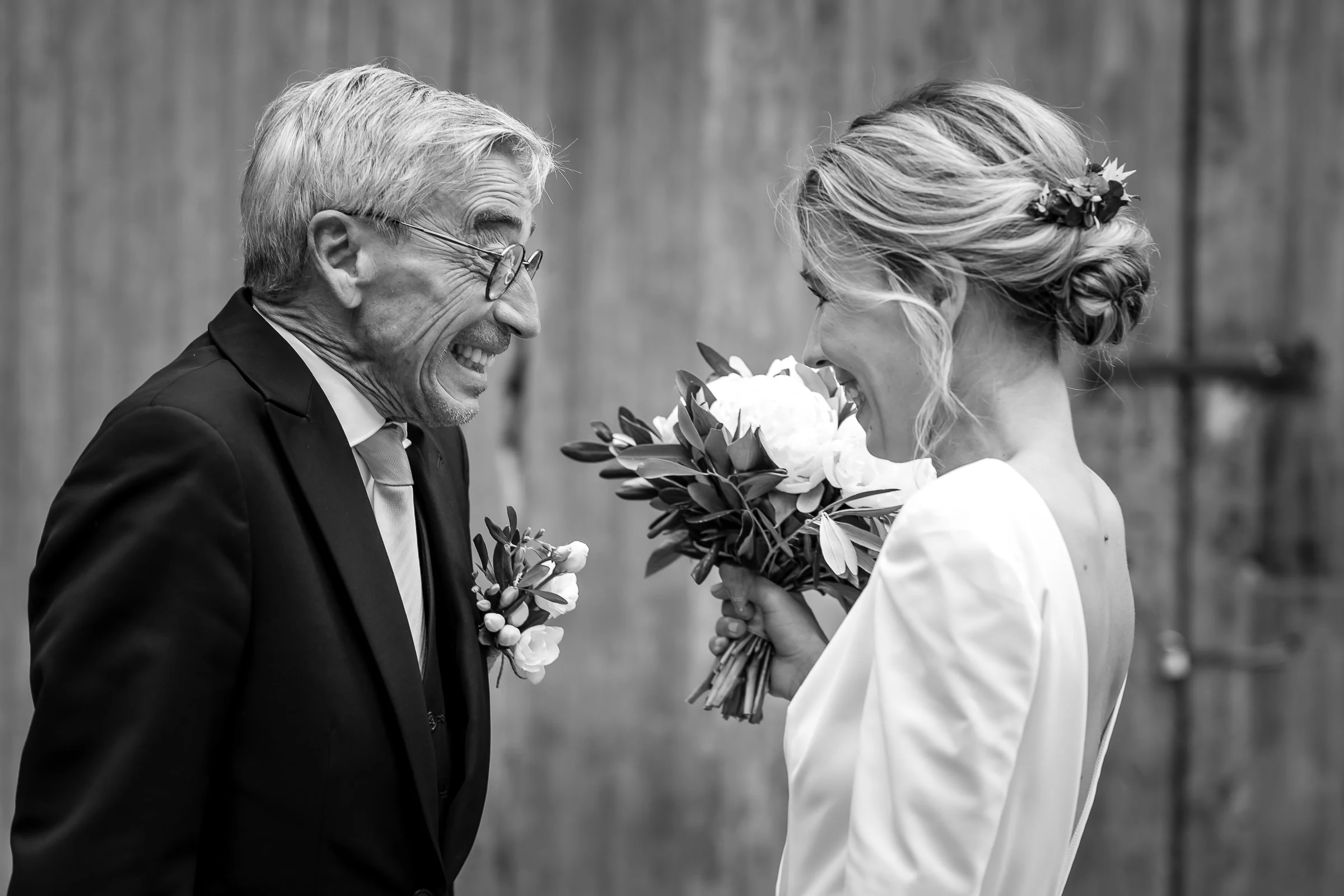
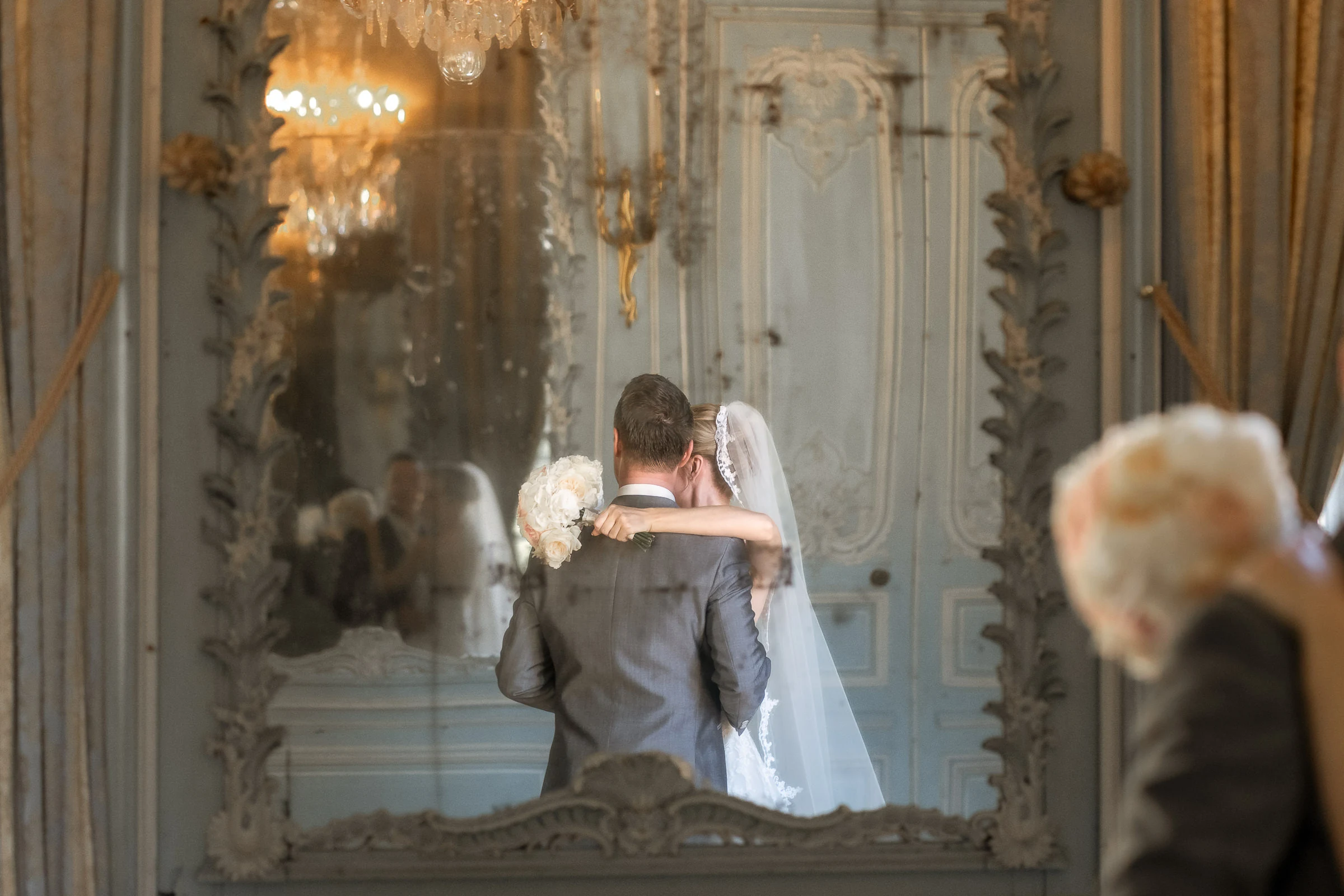
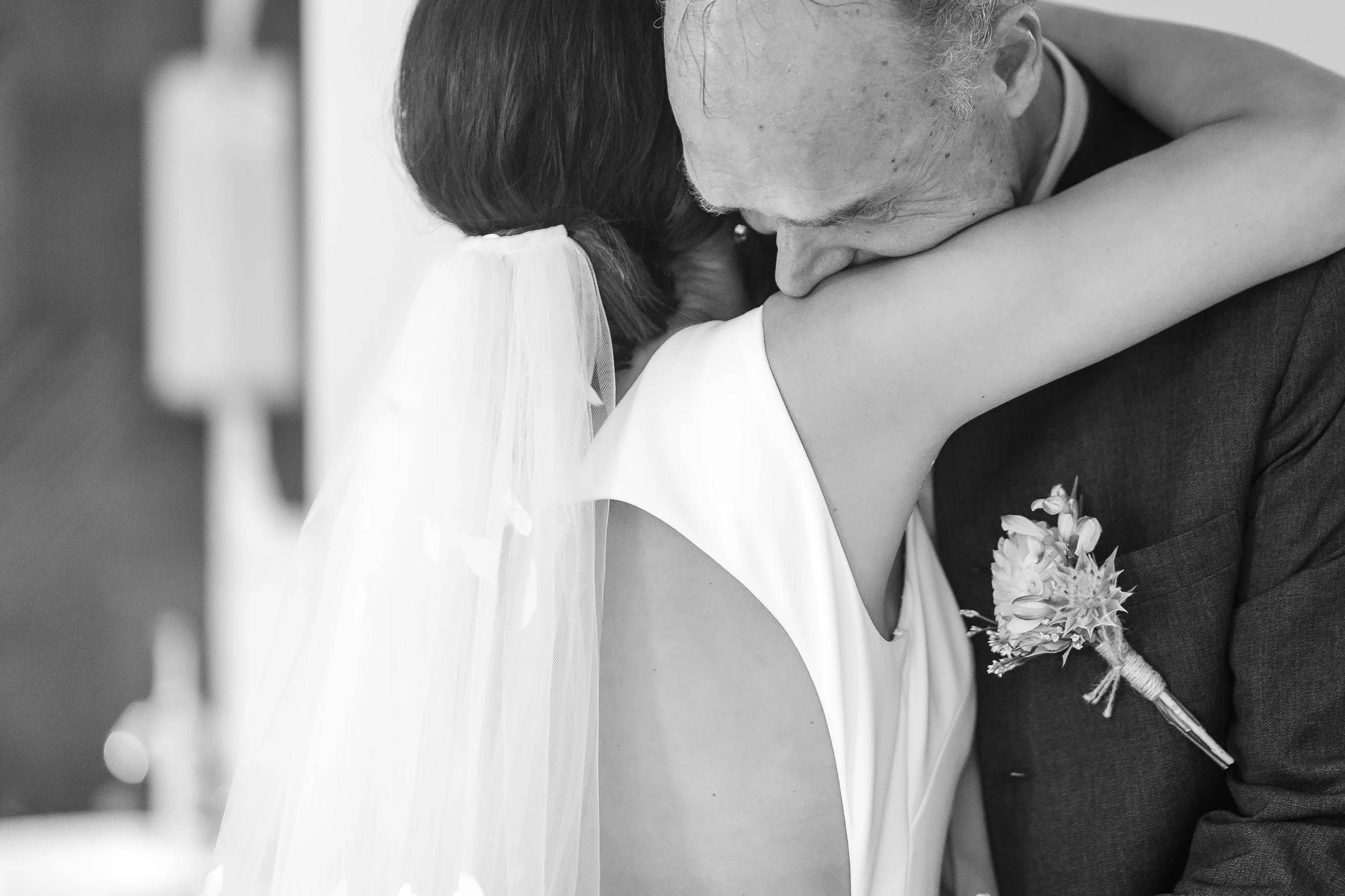
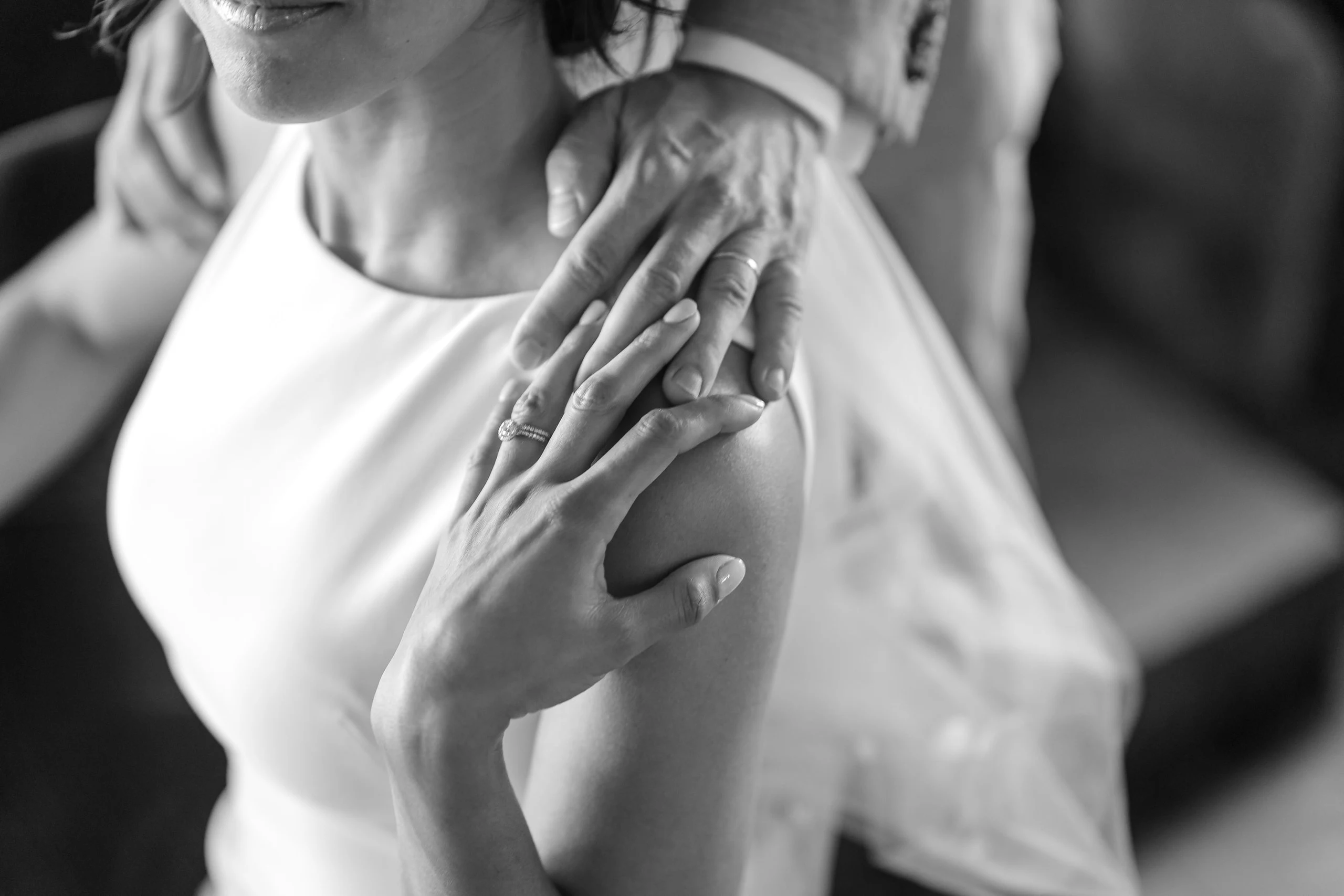
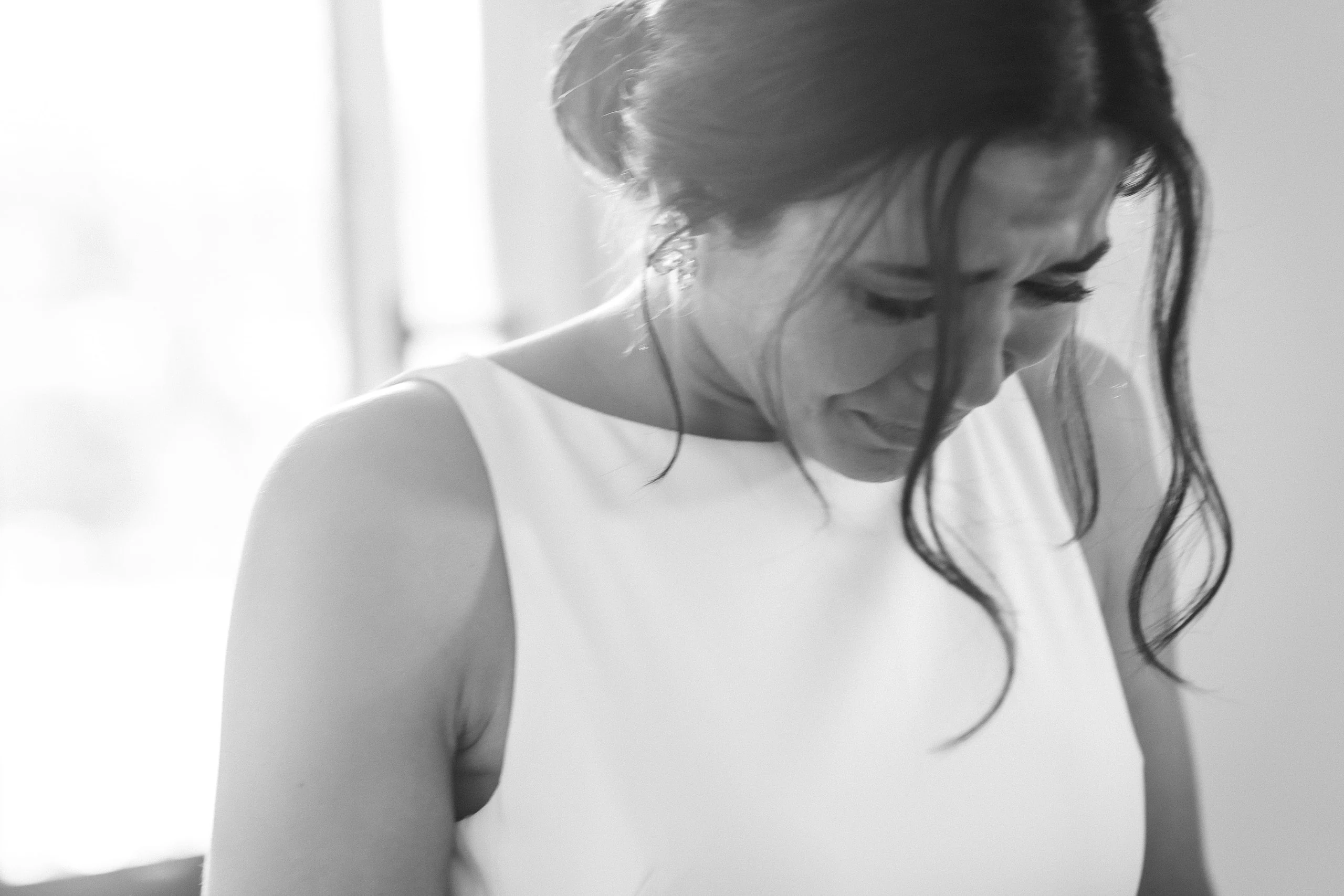
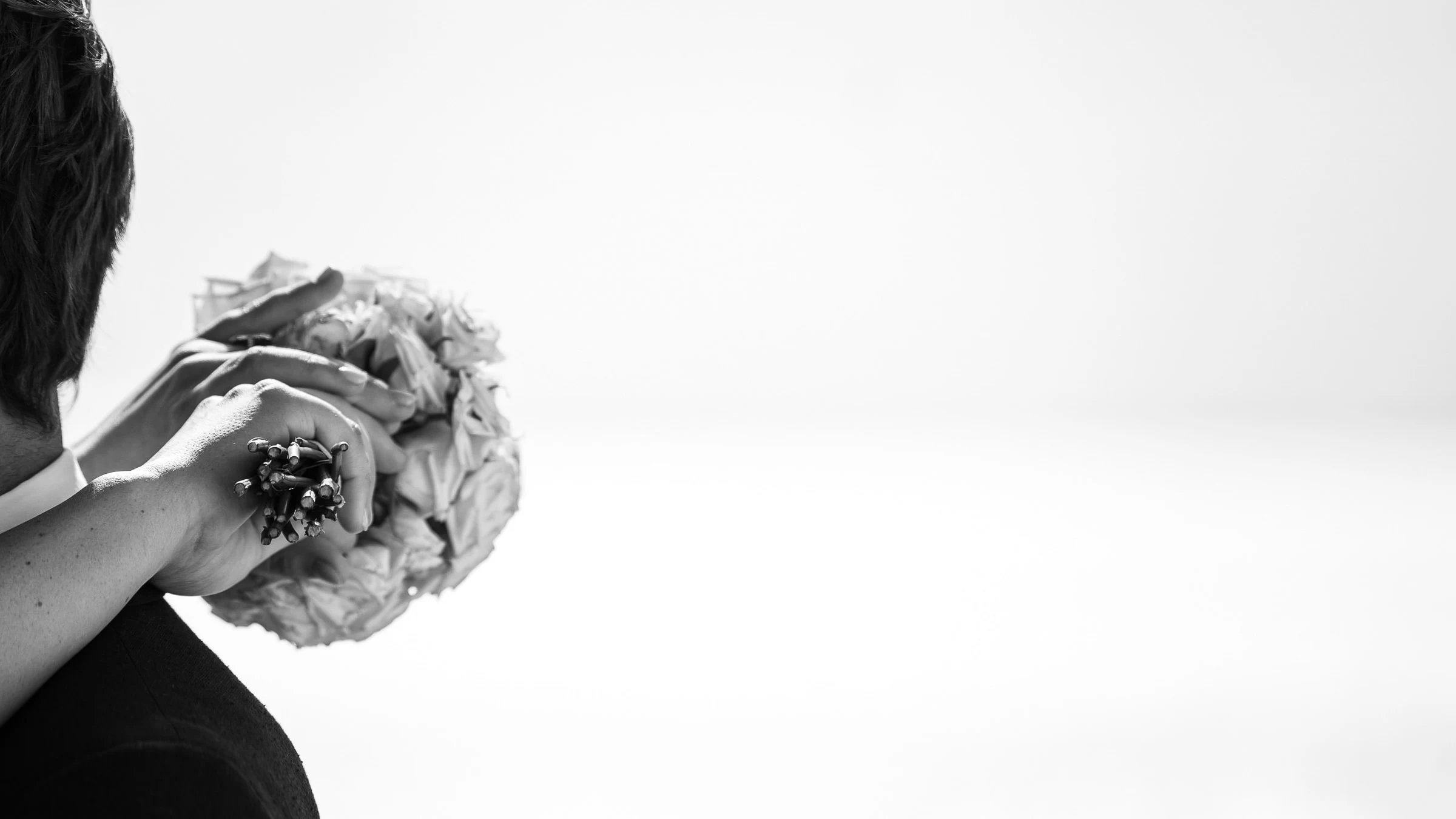
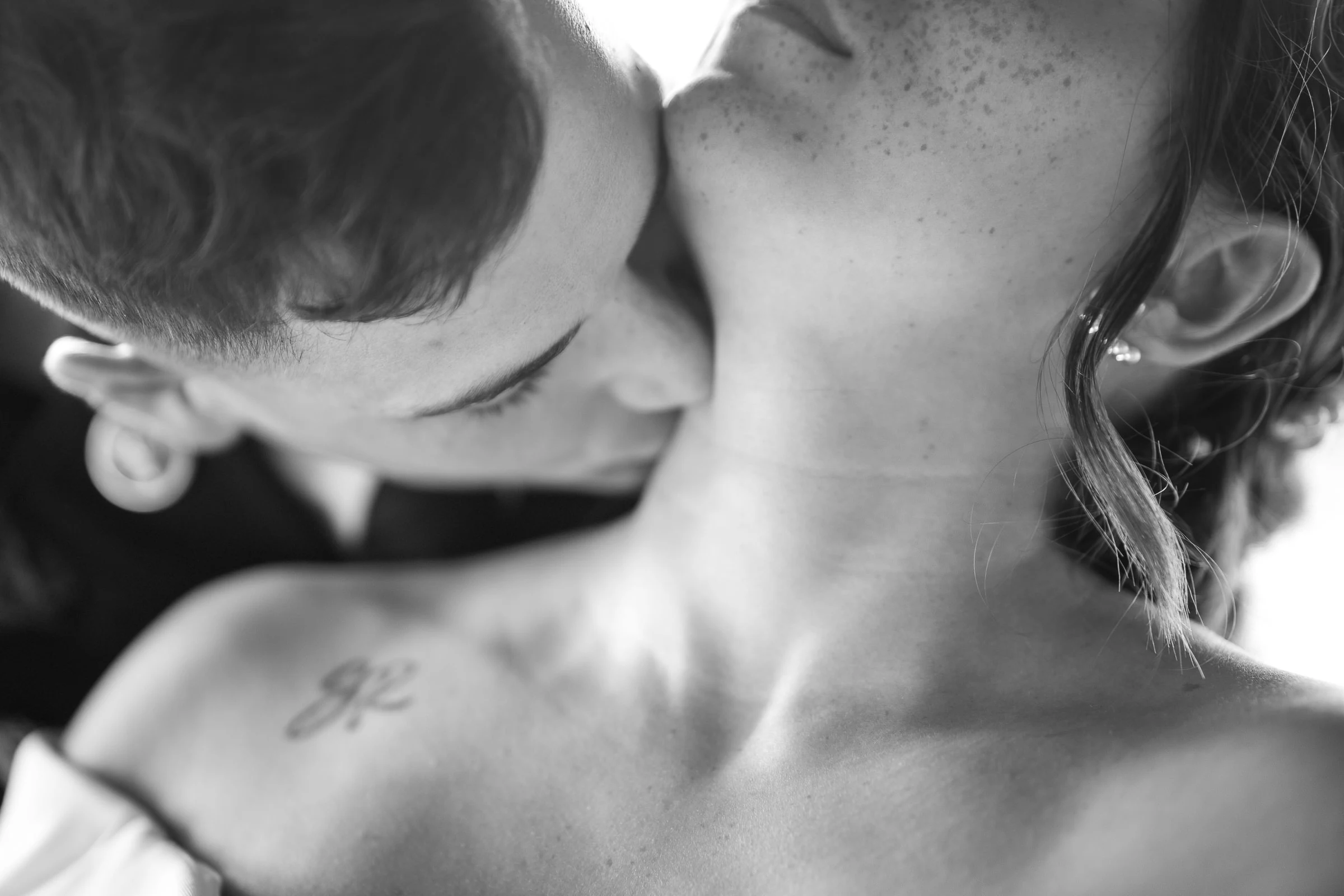
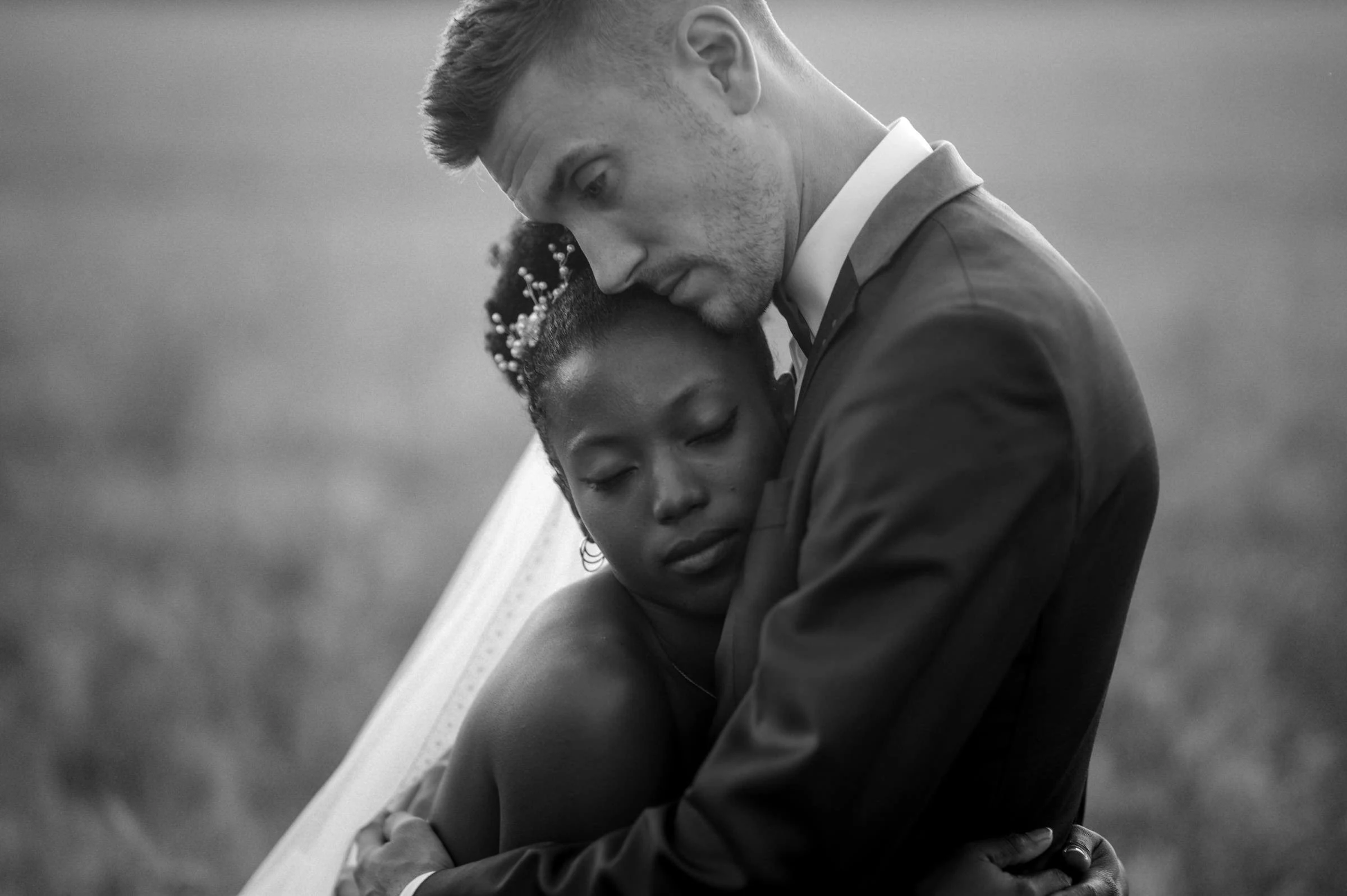
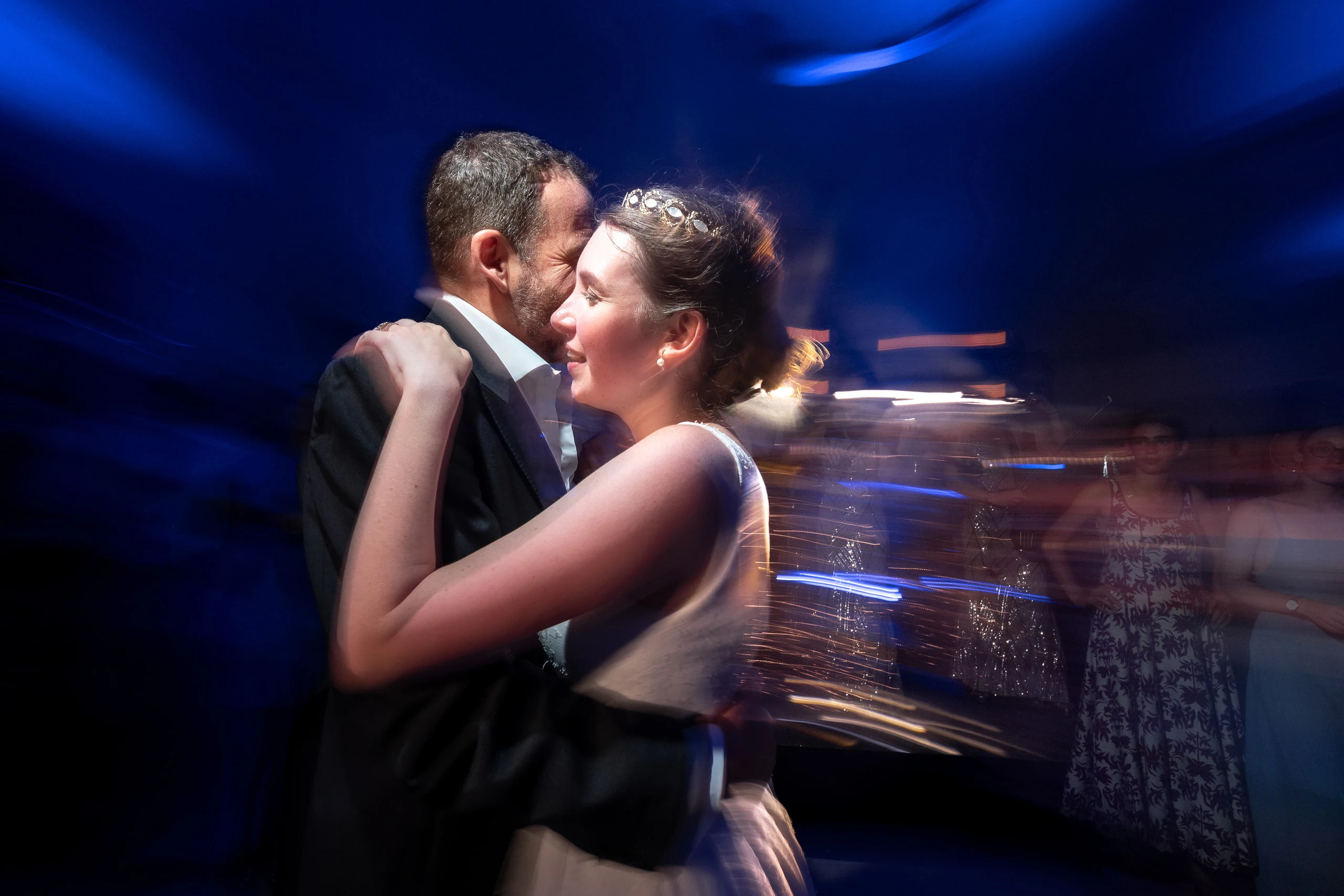
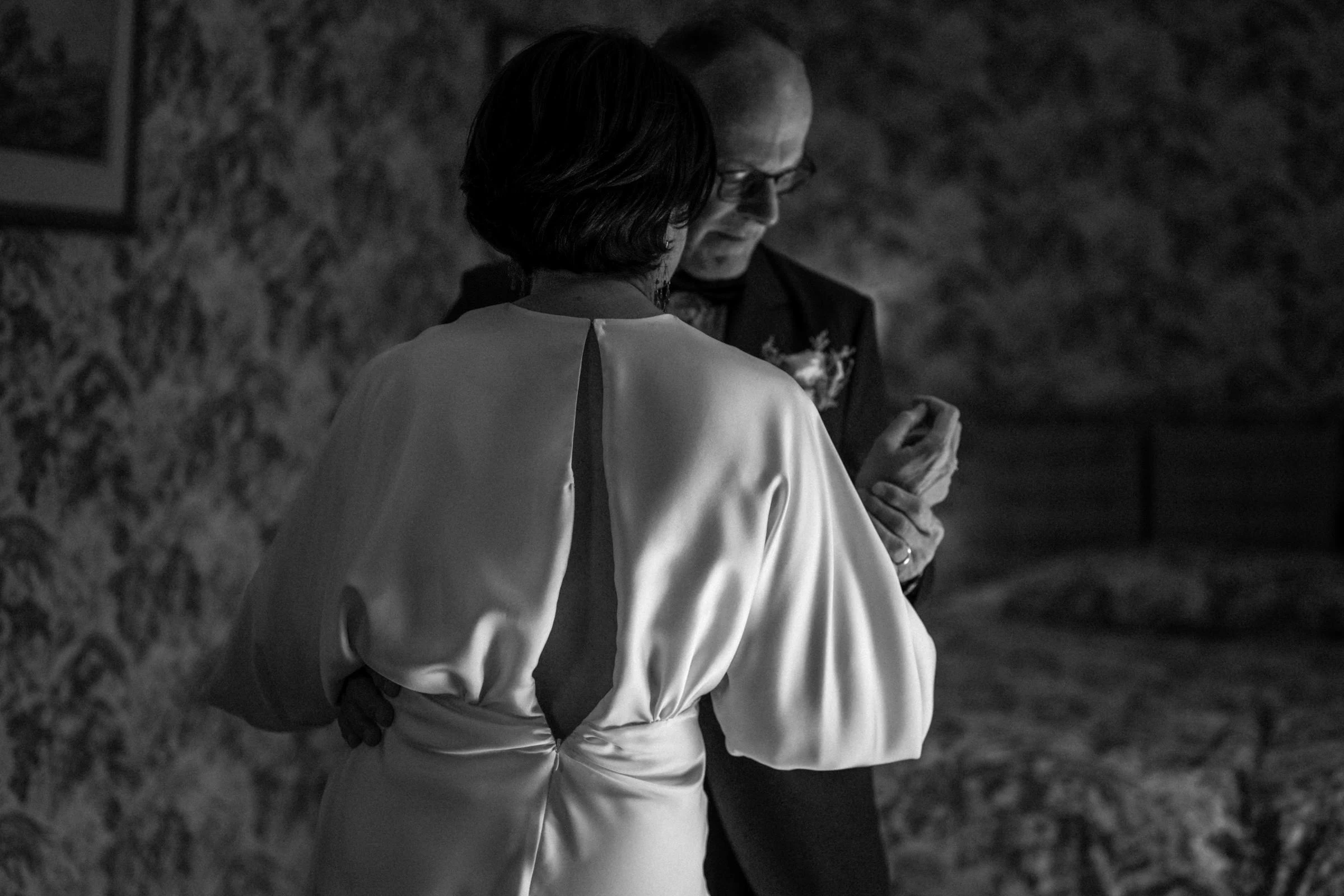
I was a musician before I was a photographer, and I tend to compare a wedding day to a jazz set: written passages (the ceremony, the speeches) and everything that invents itself in between. The first look. A father’s trembling hand. What your mother will only say once. These moments have no second take.
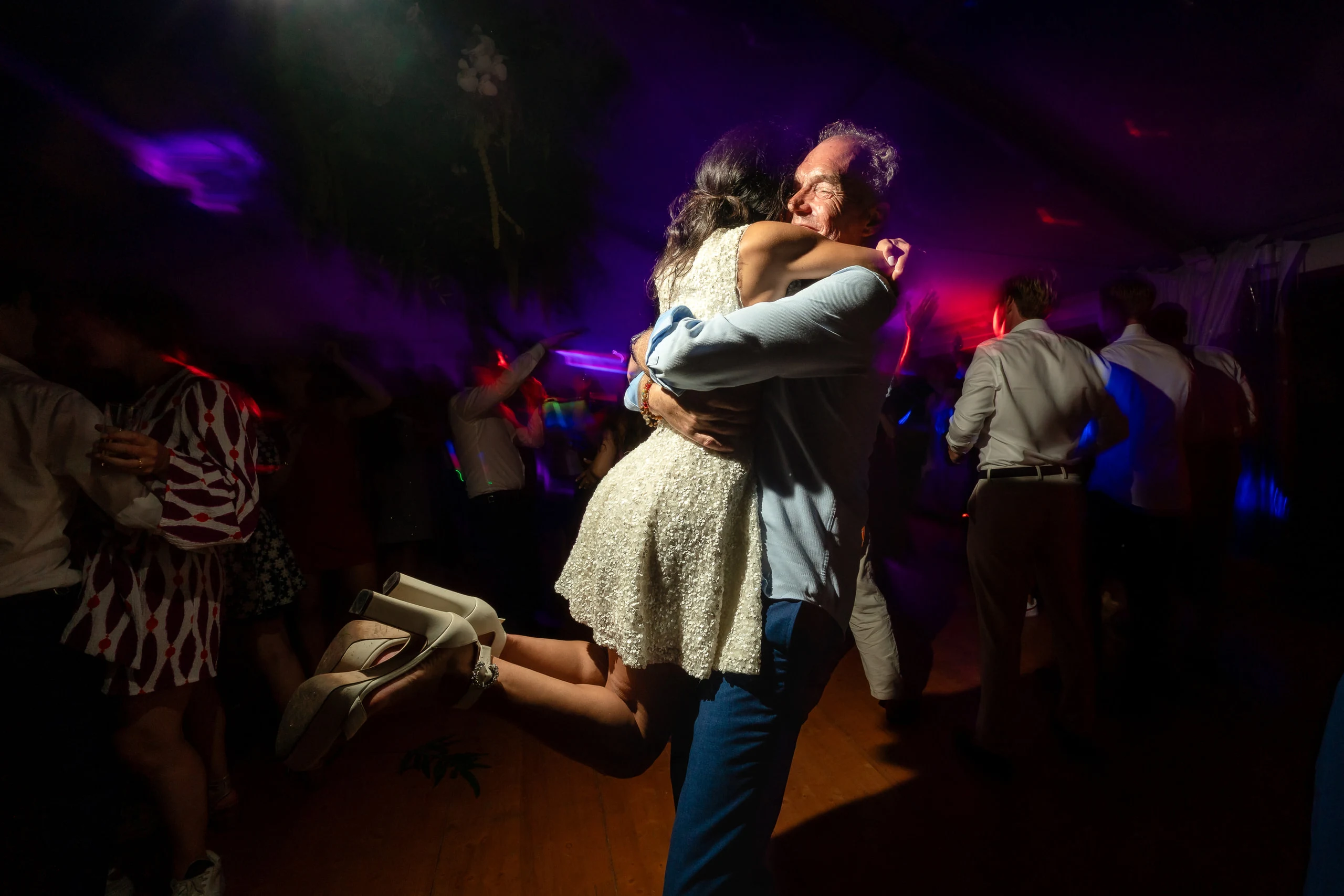
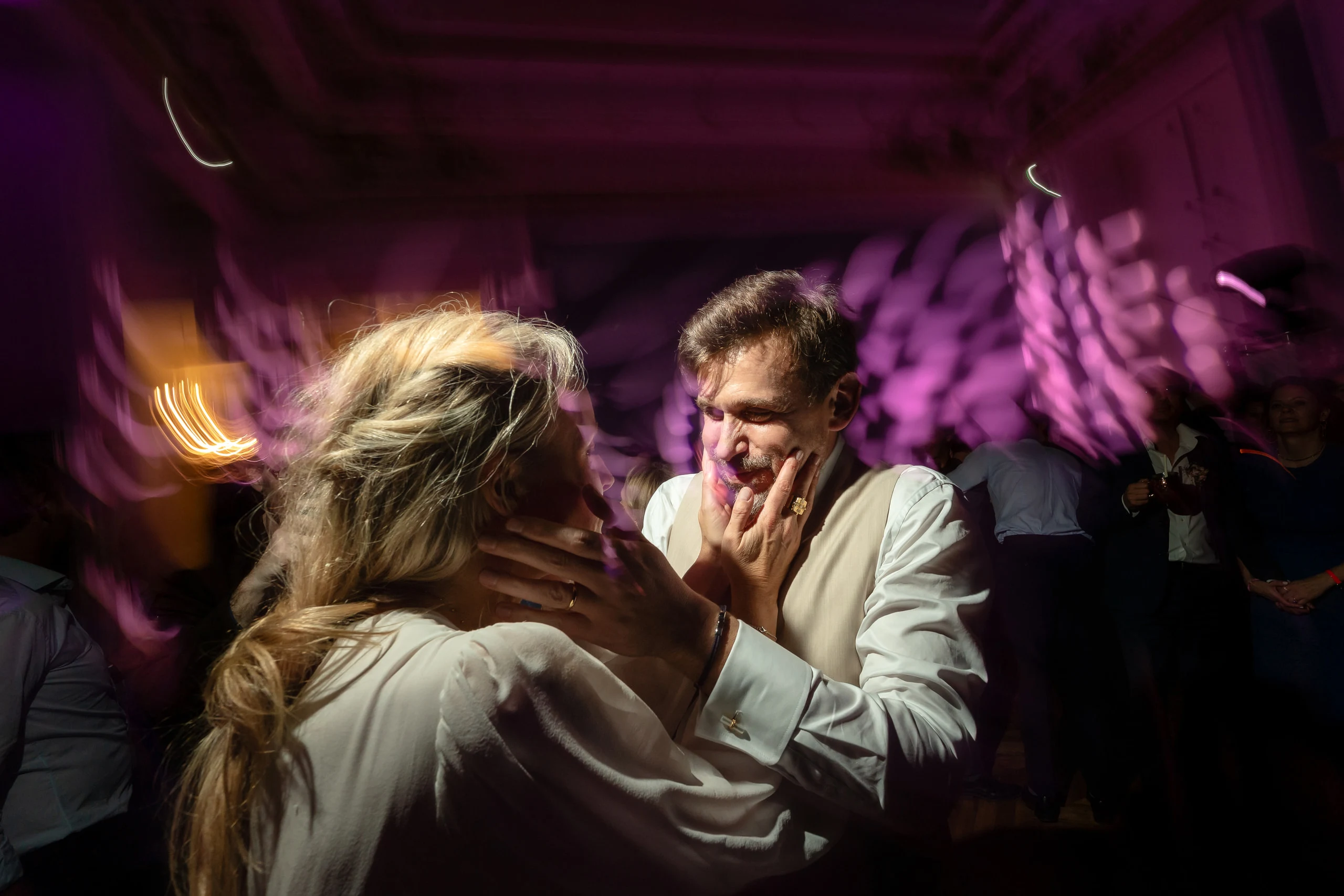
I am not a double bass player, but that is the role I like best on those days: the one who connects melody and rhythm, in the background and yet essential. That is the place I look for in your day. In the quiet moments I am forgotten; when the party rises, I am inside it.
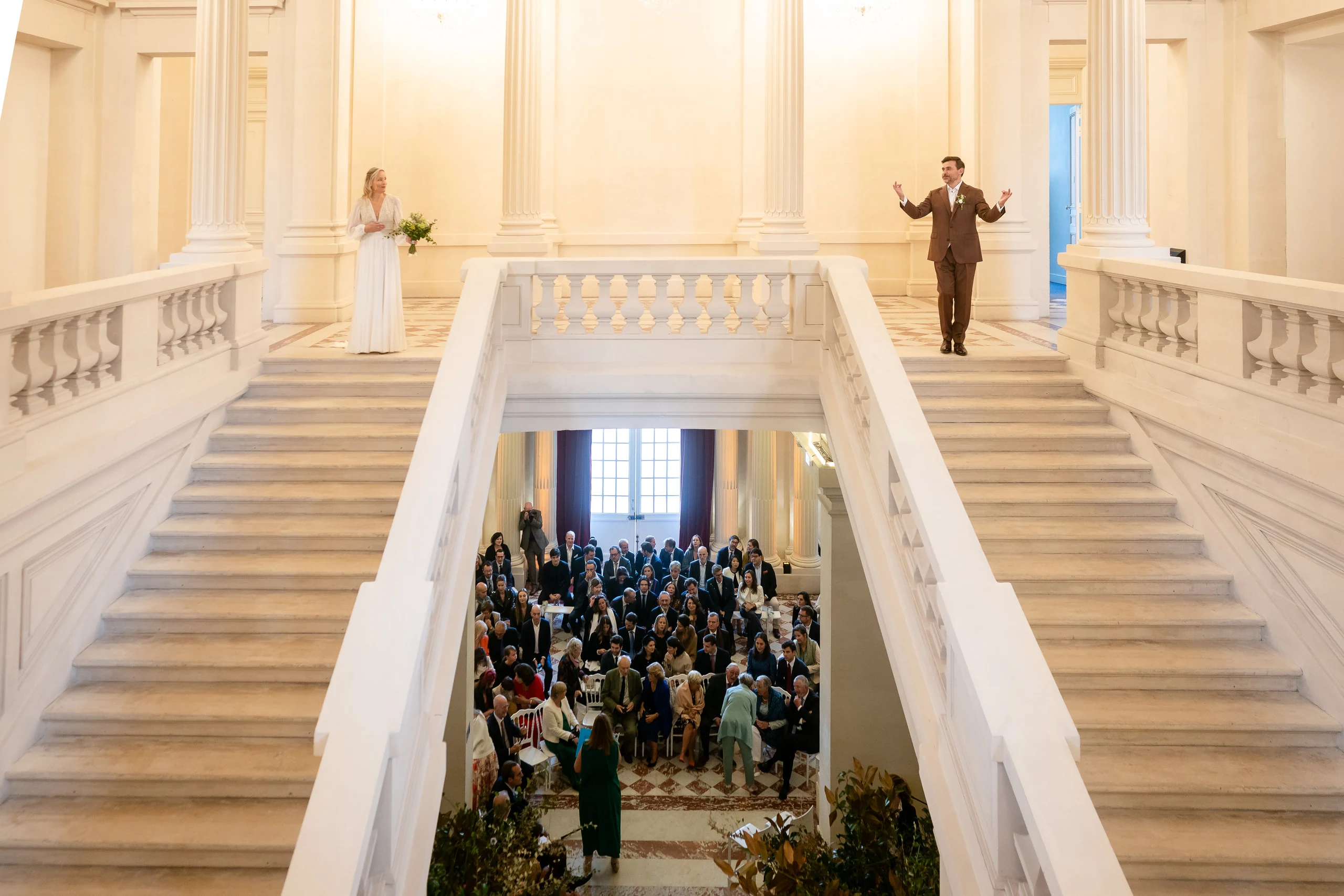
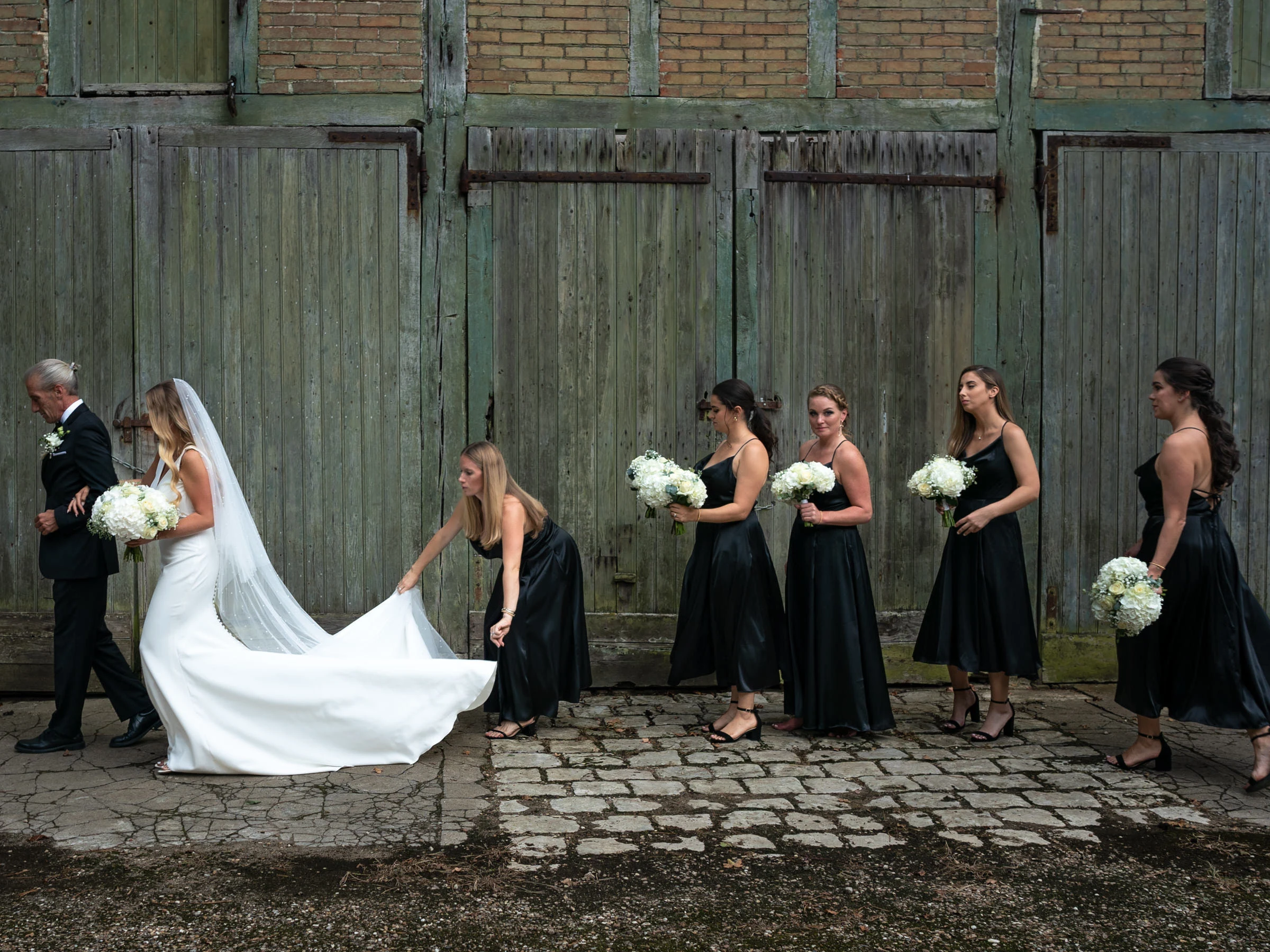
I do not stage your day, and I do not interrupt it for one more picture. I photograph continuously, with no real break: the small moments that seem unremarkable on the day are often the ones that matter most ten years later.
In almost every couple there is one person the idea of being photographed makes uneasy. Often the groom. And one question many ask themselves in front of portfolios: will we be able to pose like that?
You don’t have to be. Knowing how to place a body without freezing it is my job, not yours: years in the studio serve exactly that. I show rather than demand.
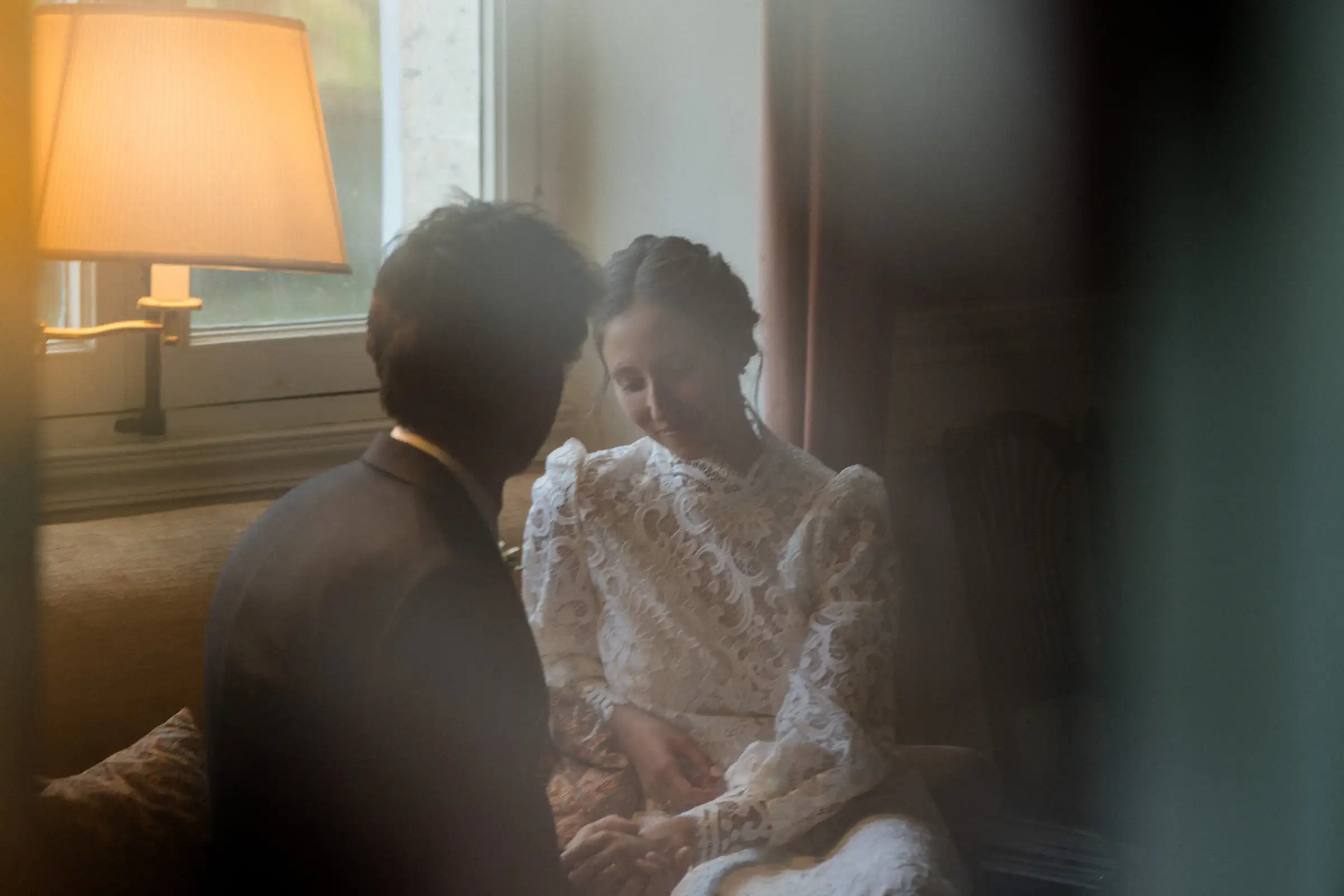
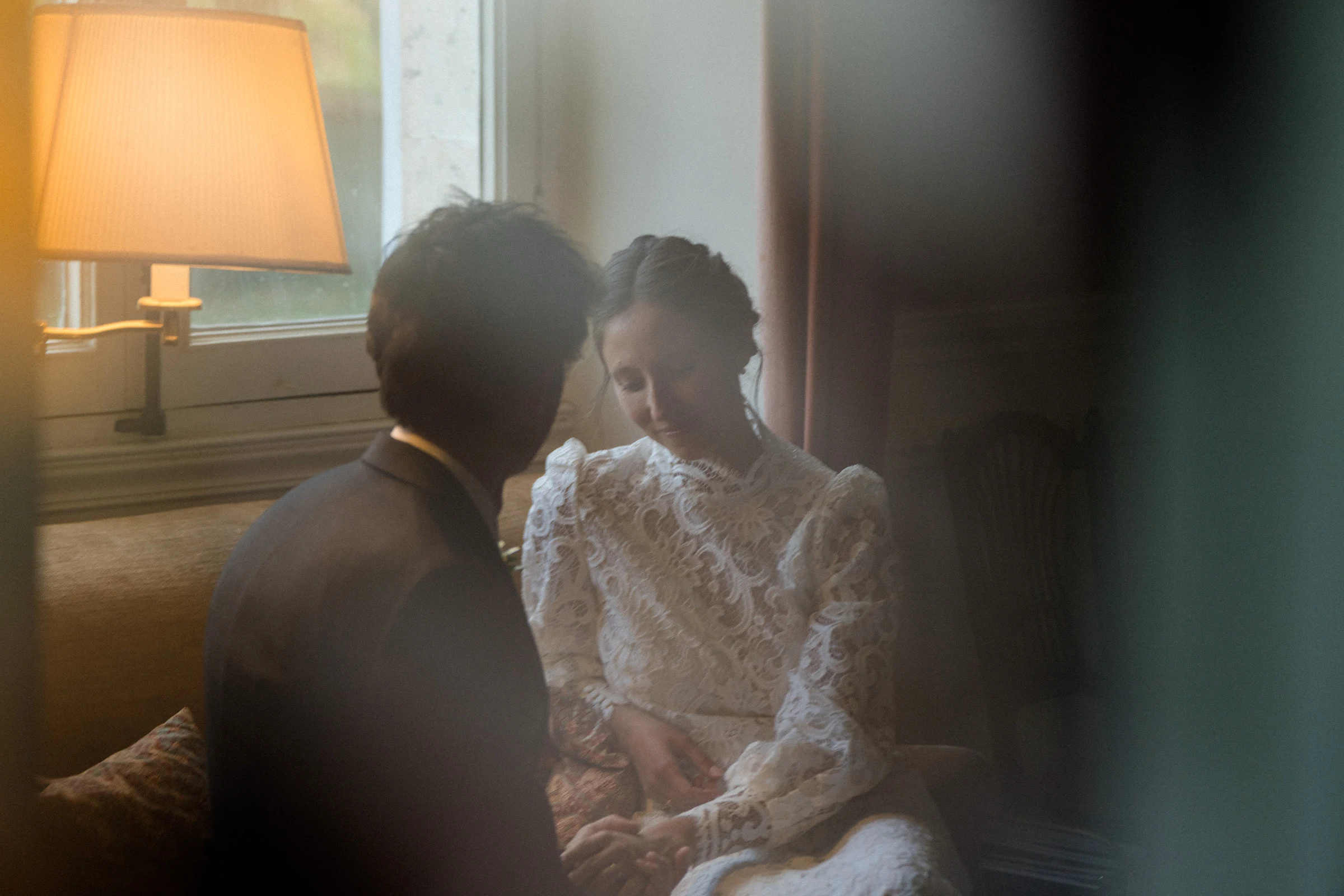
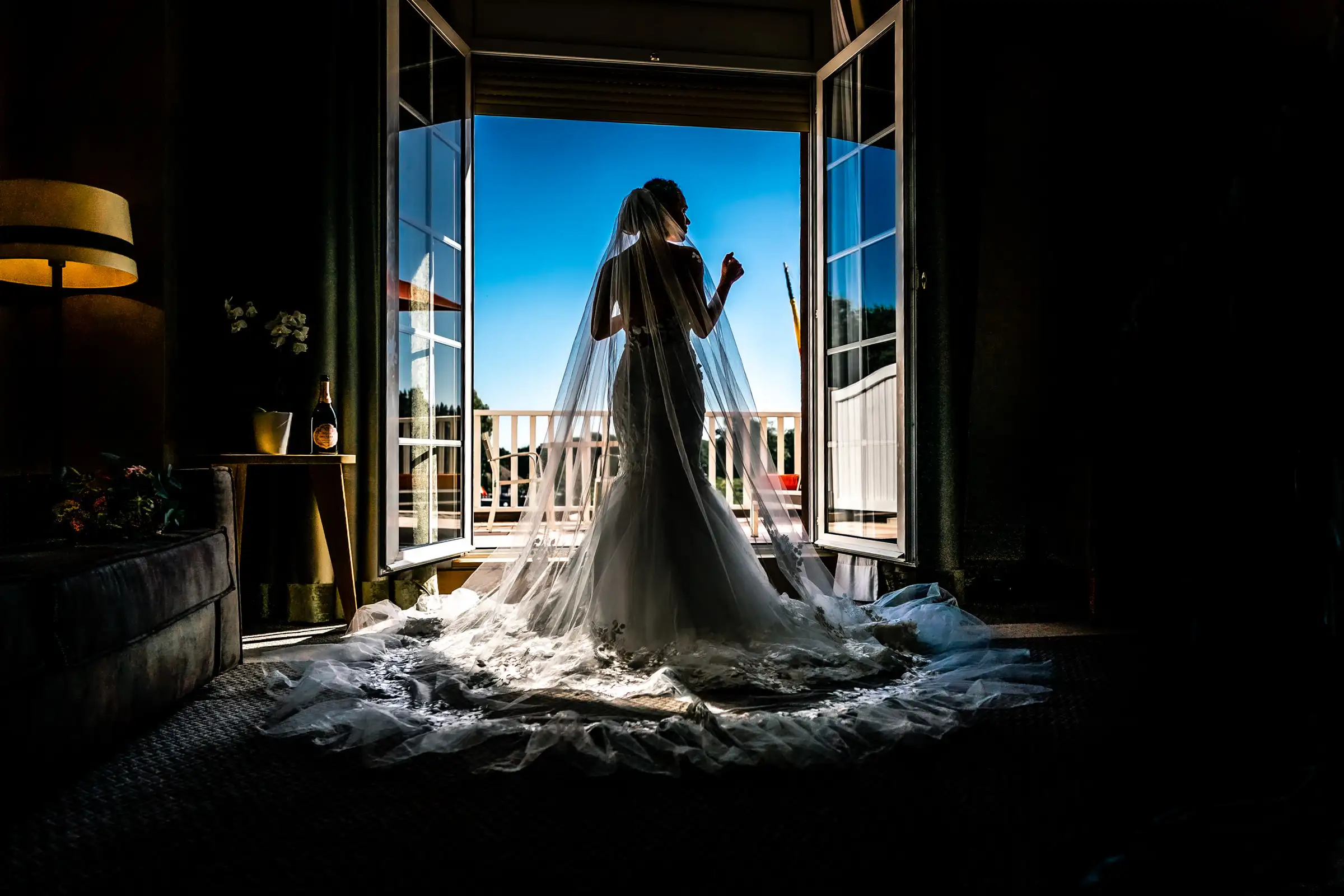
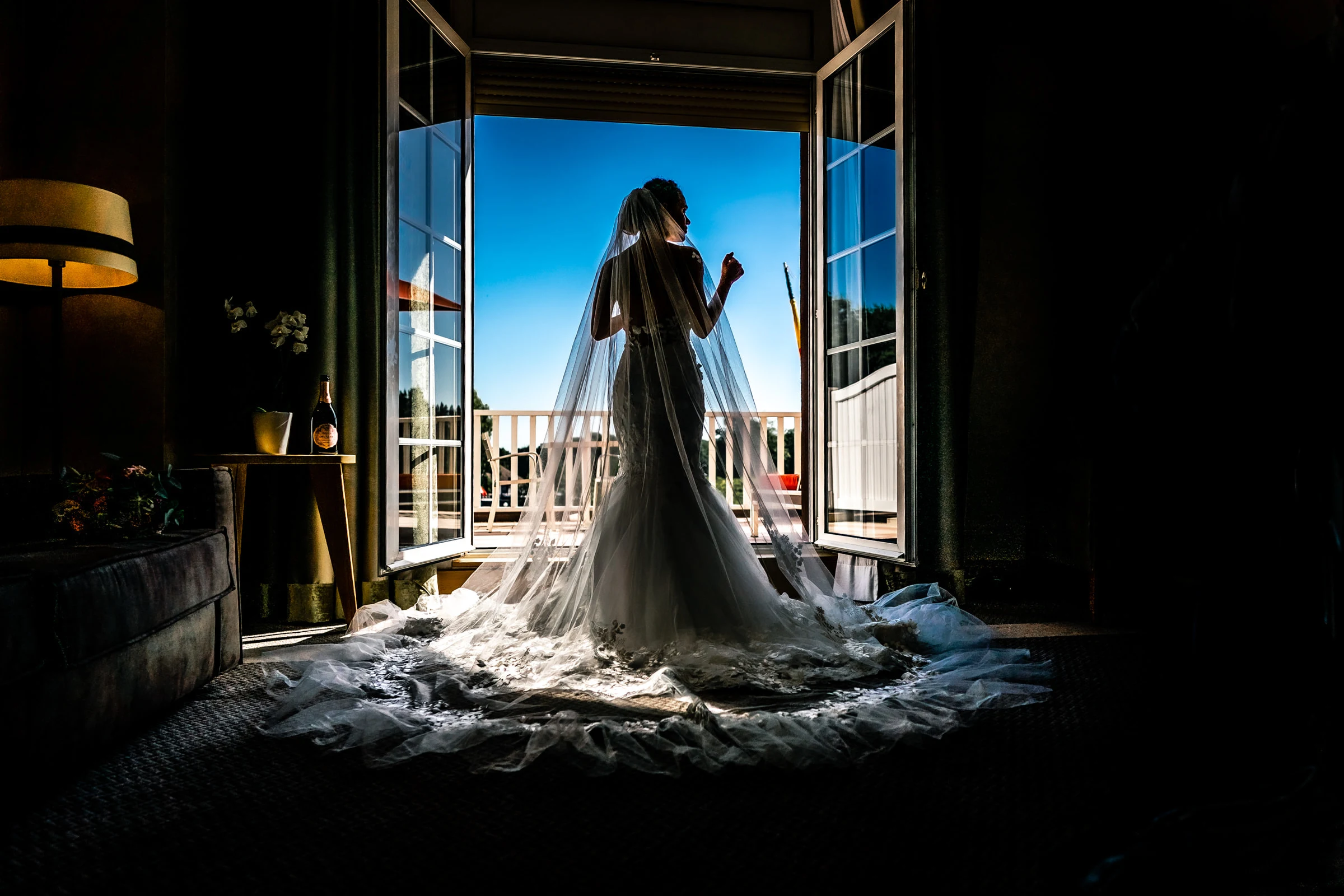
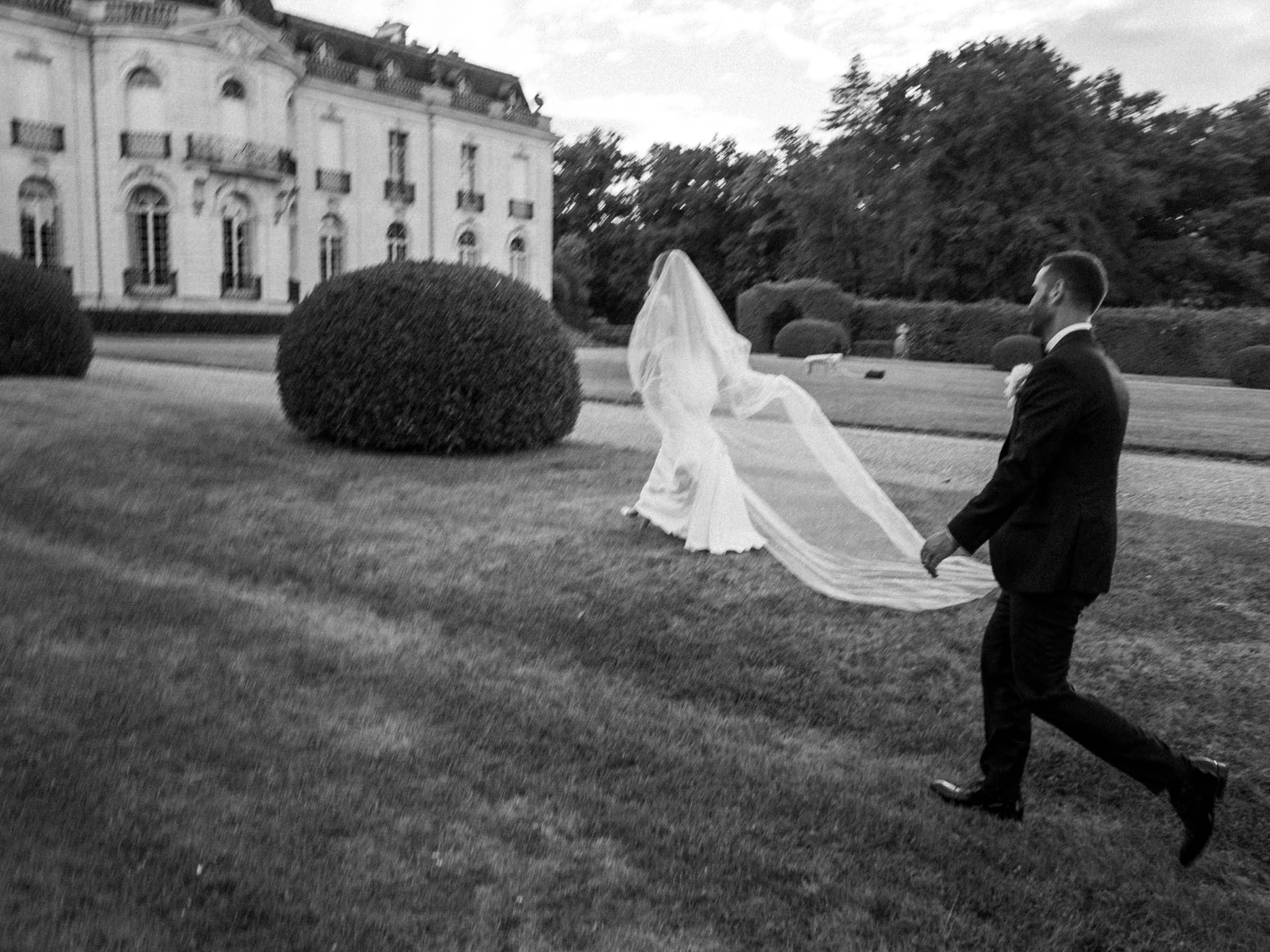
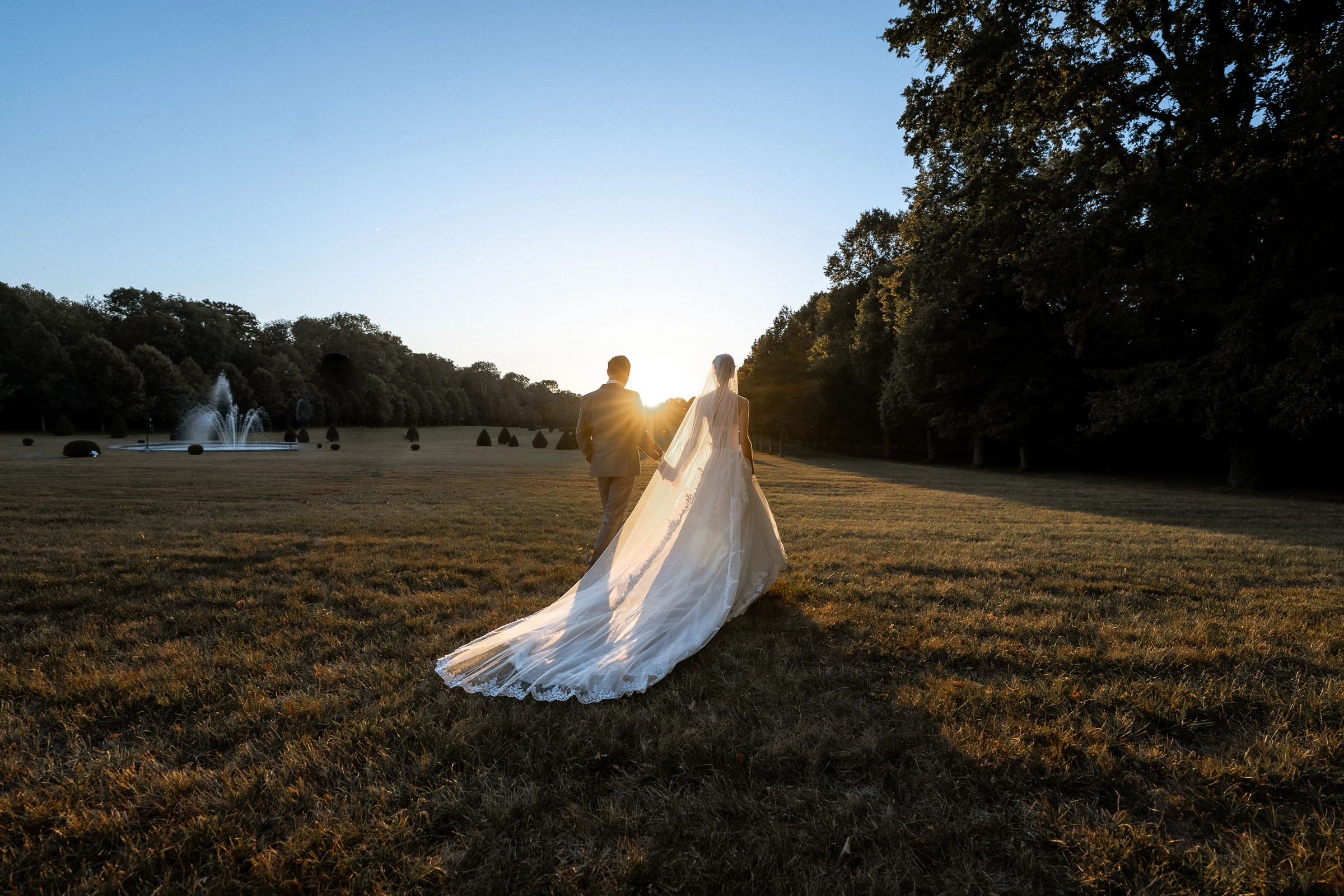
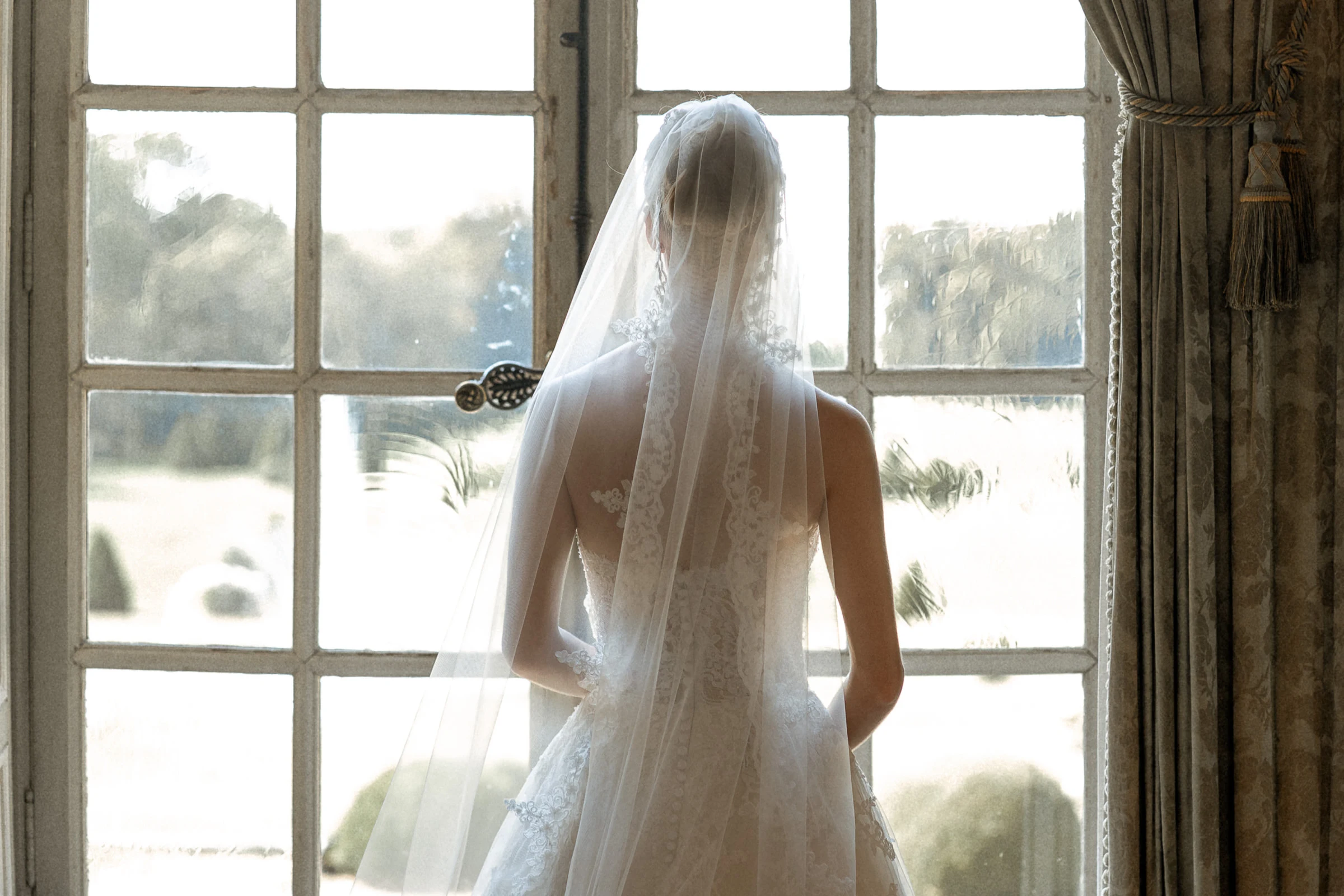
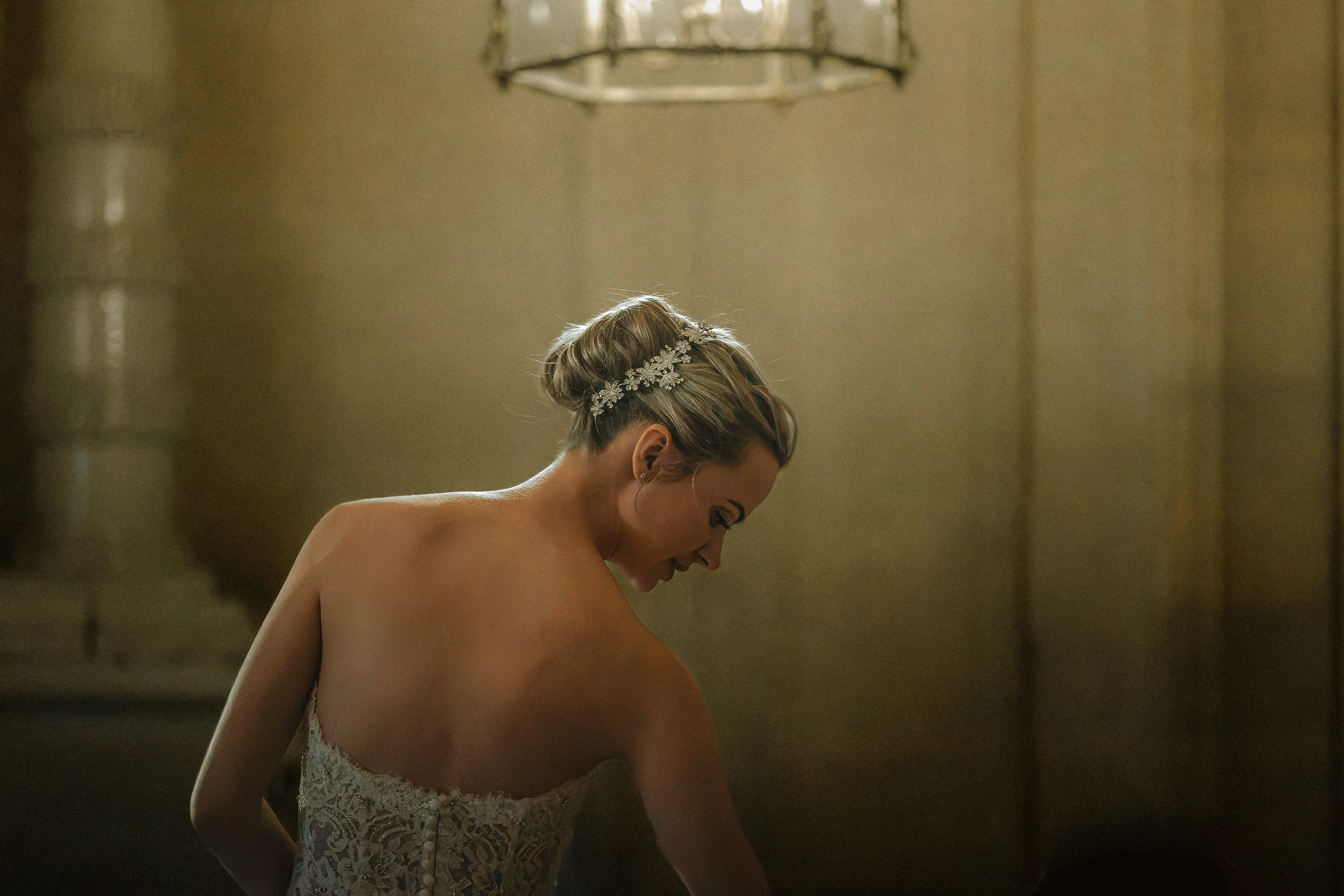
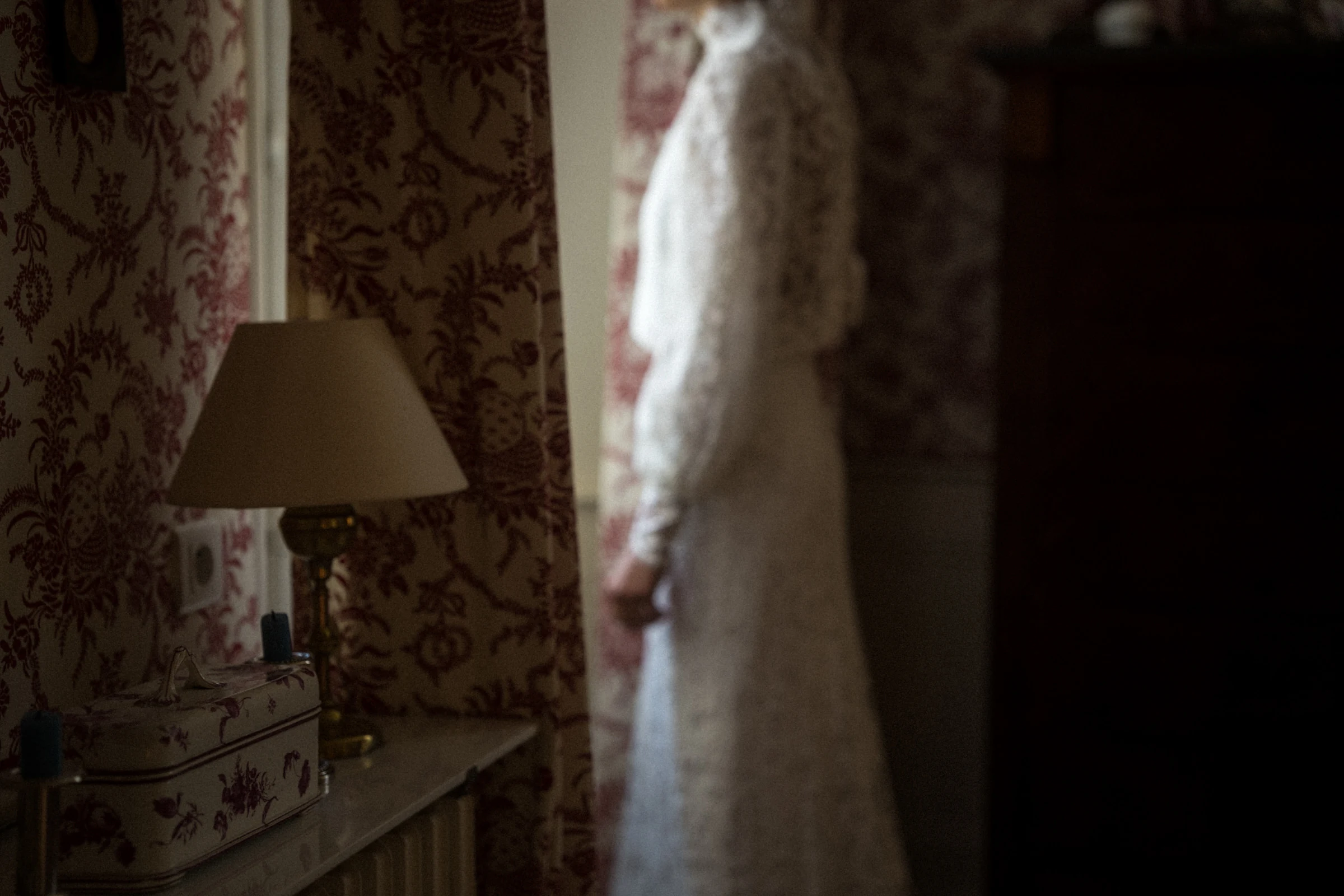
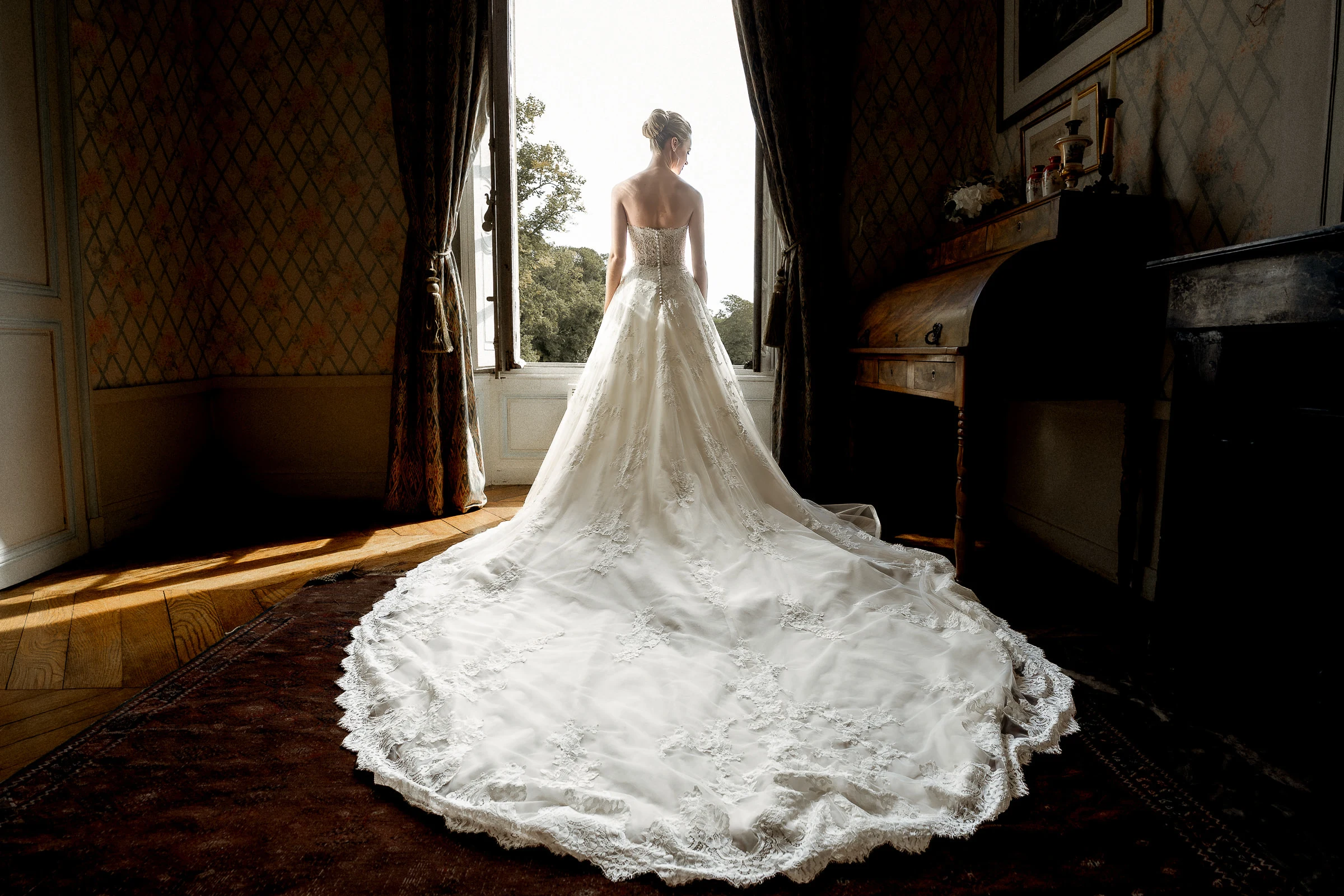
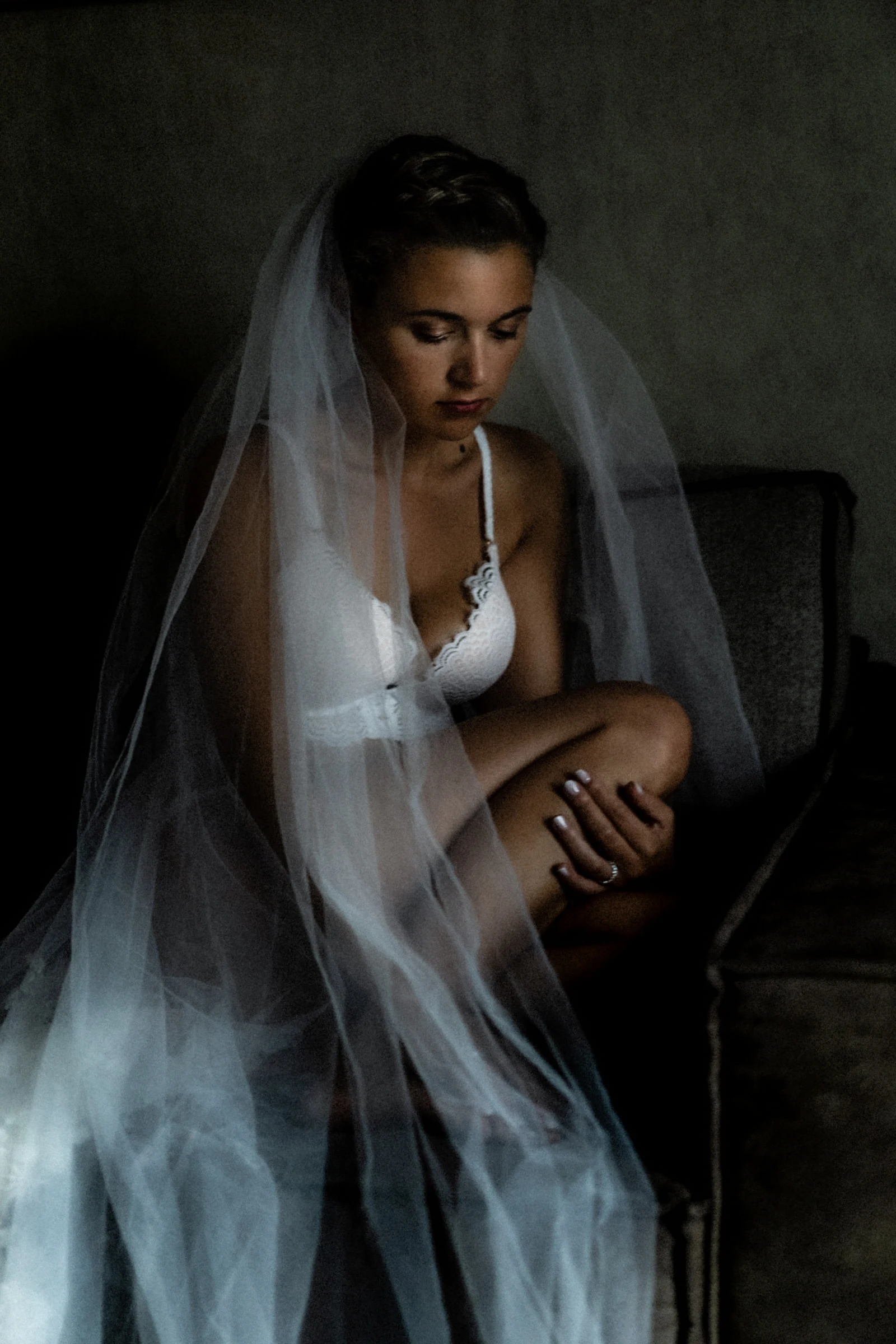
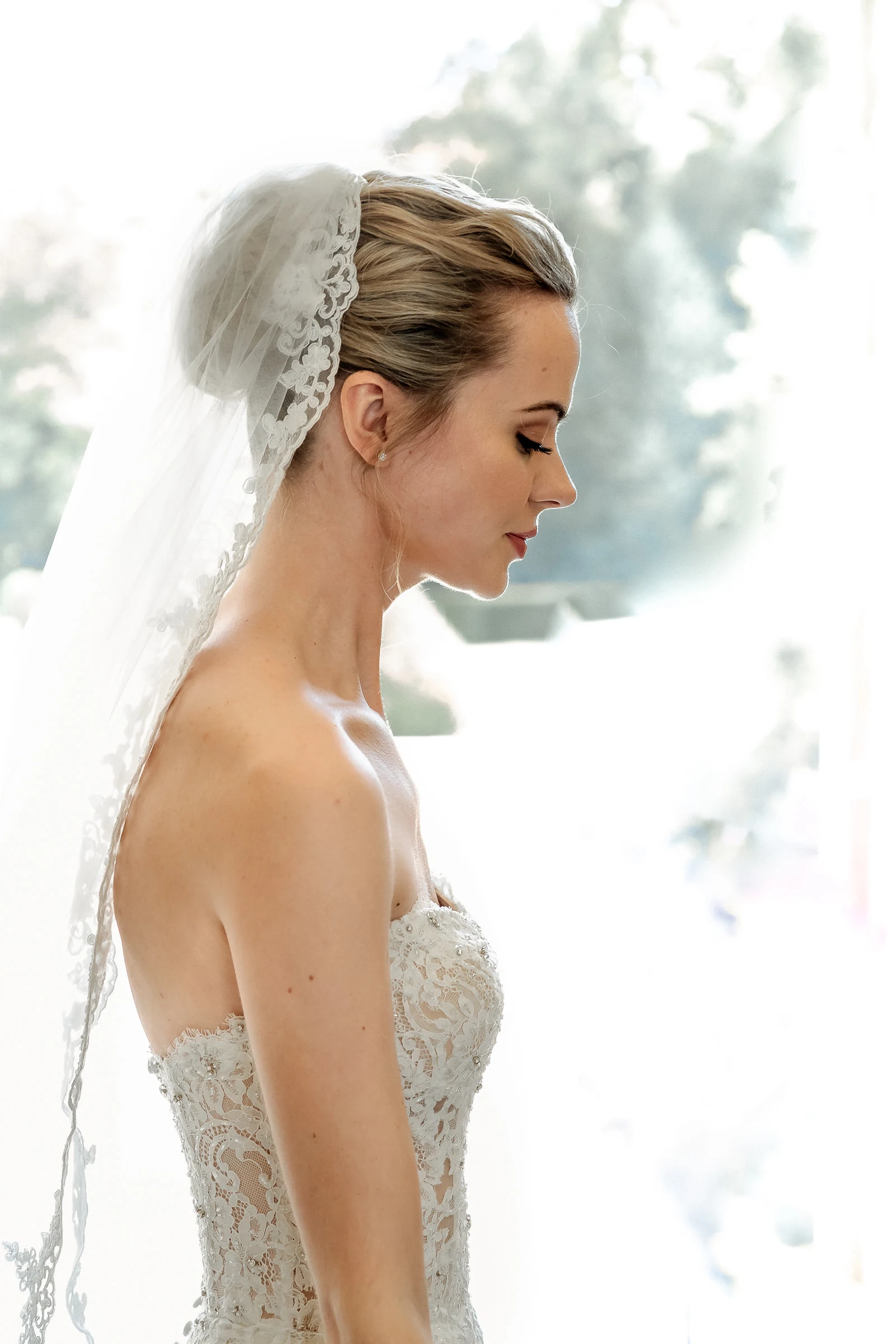
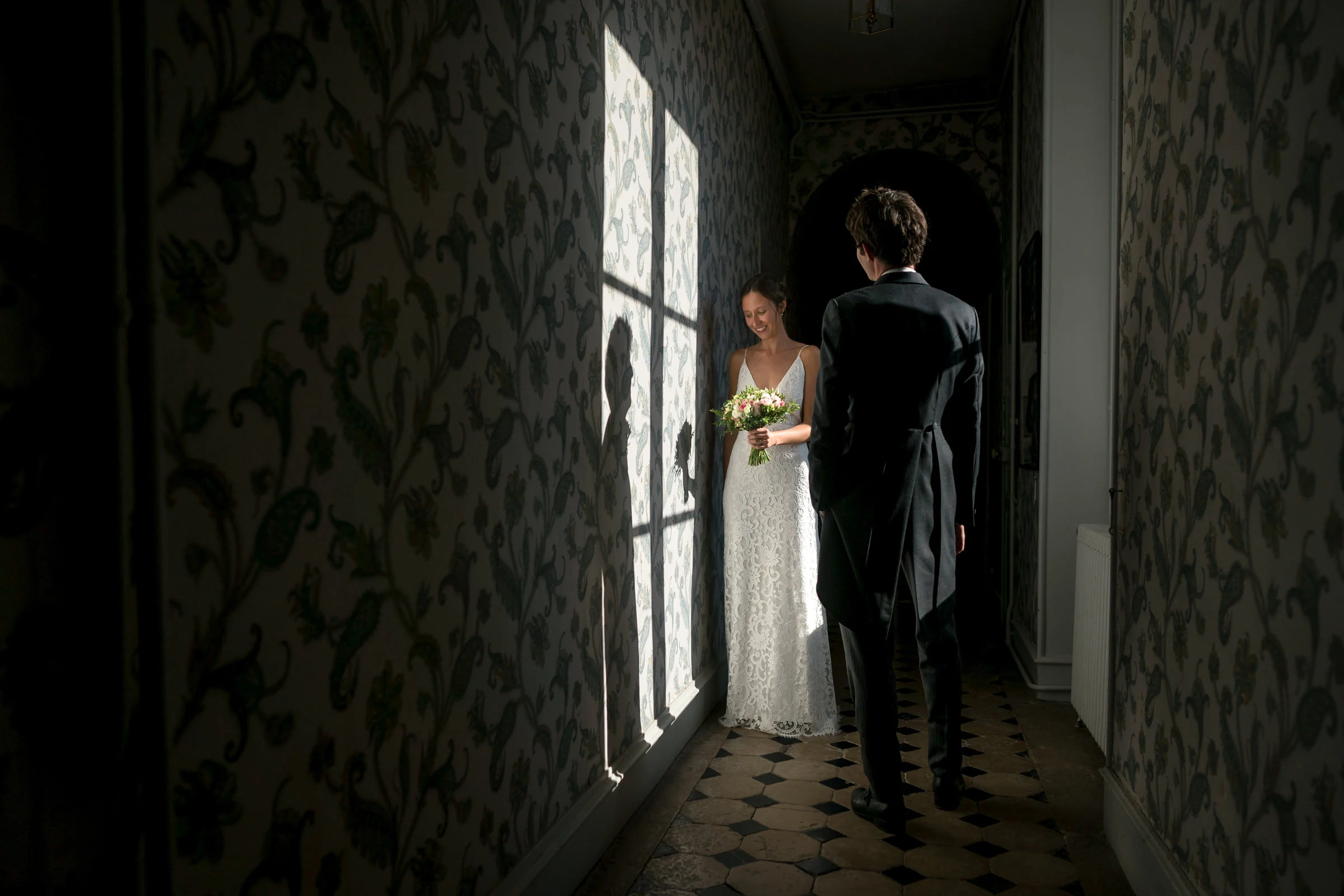
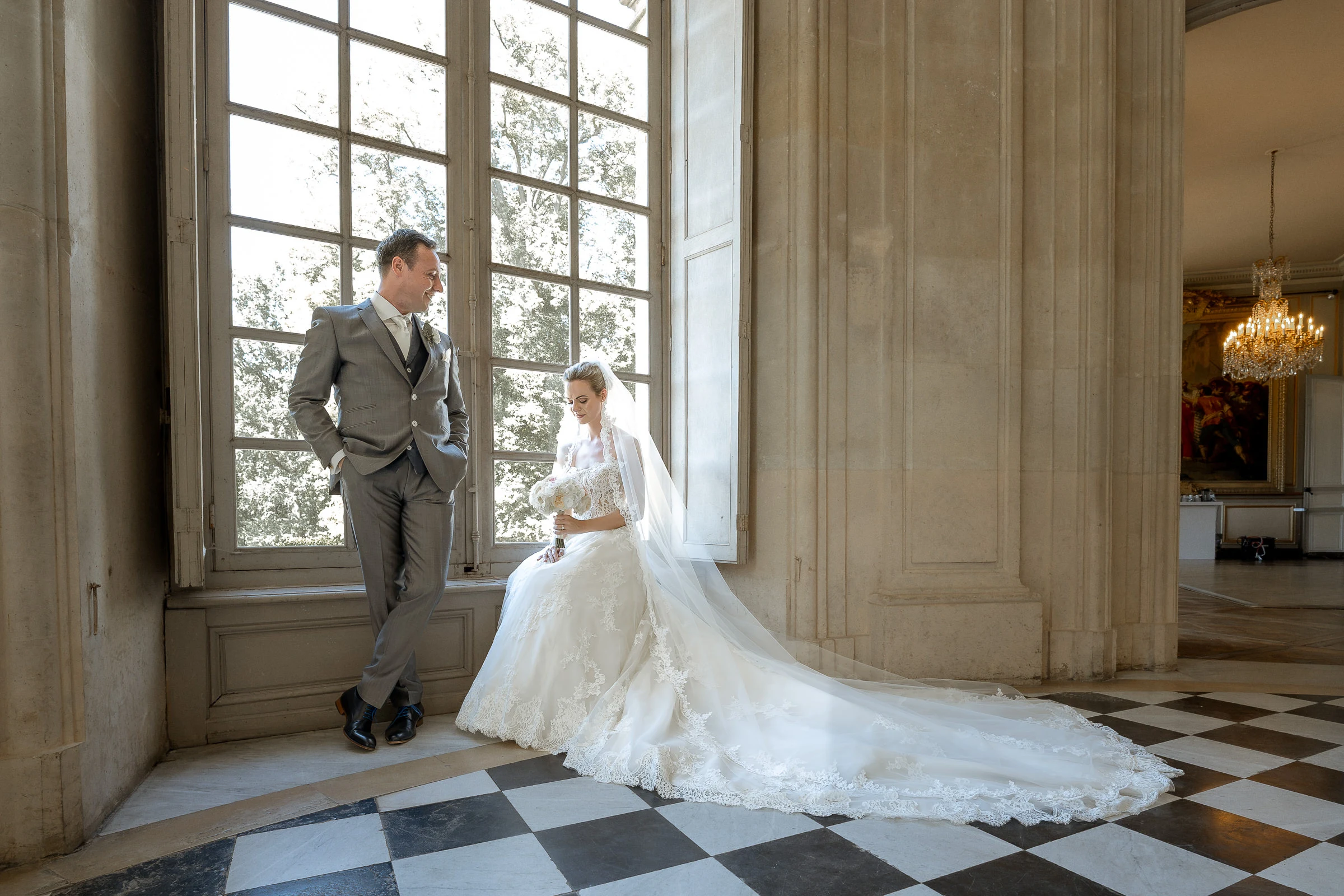
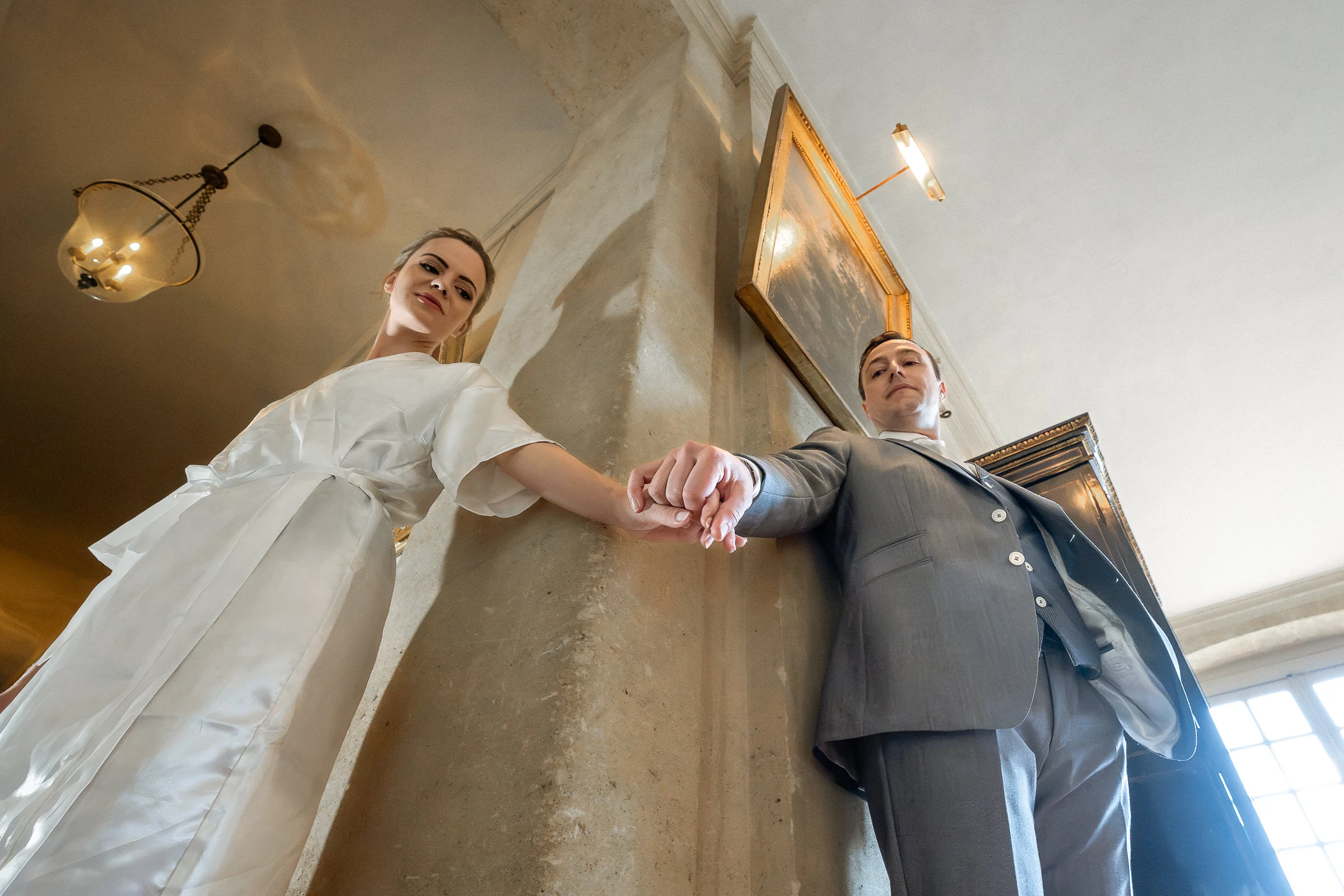
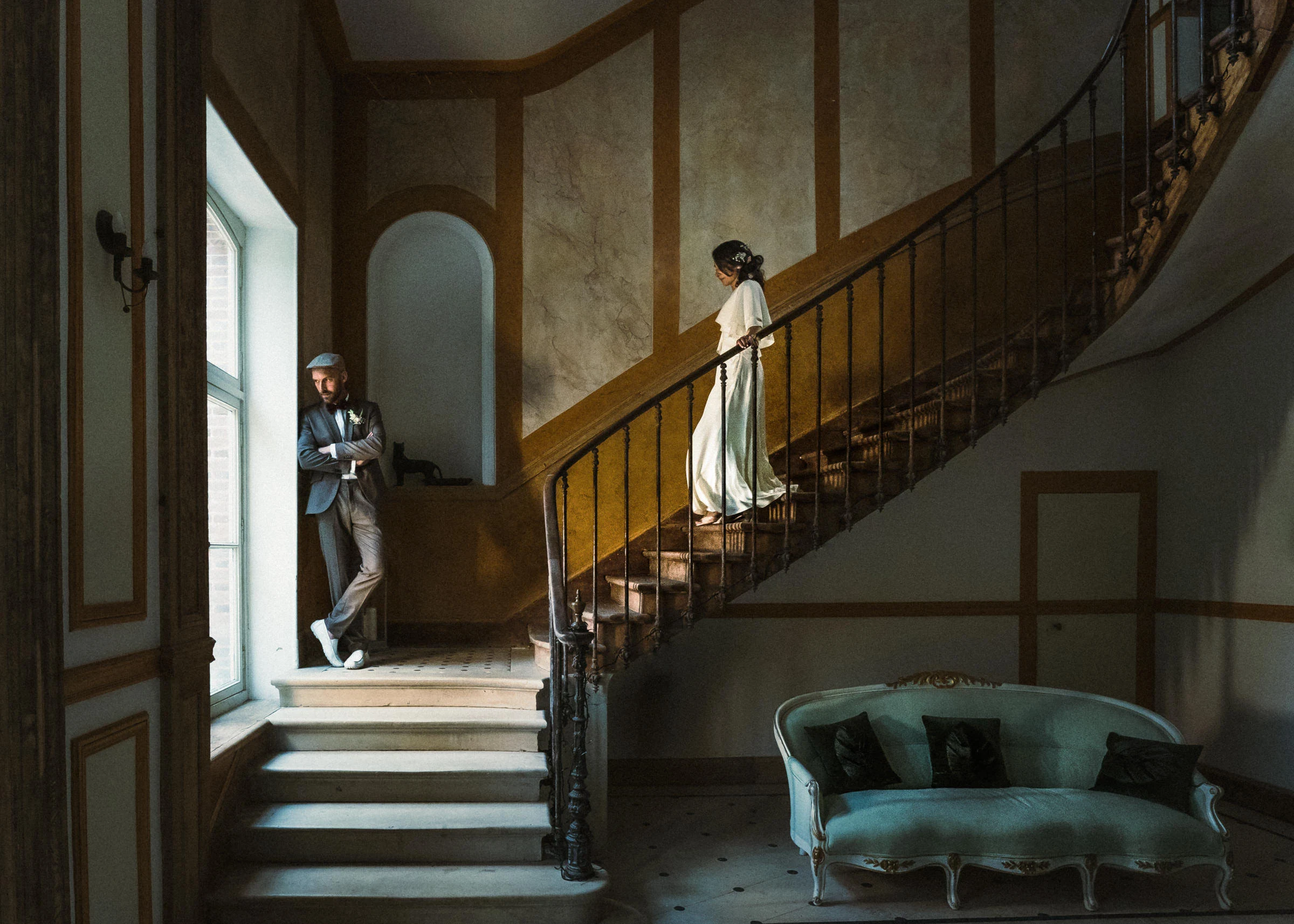
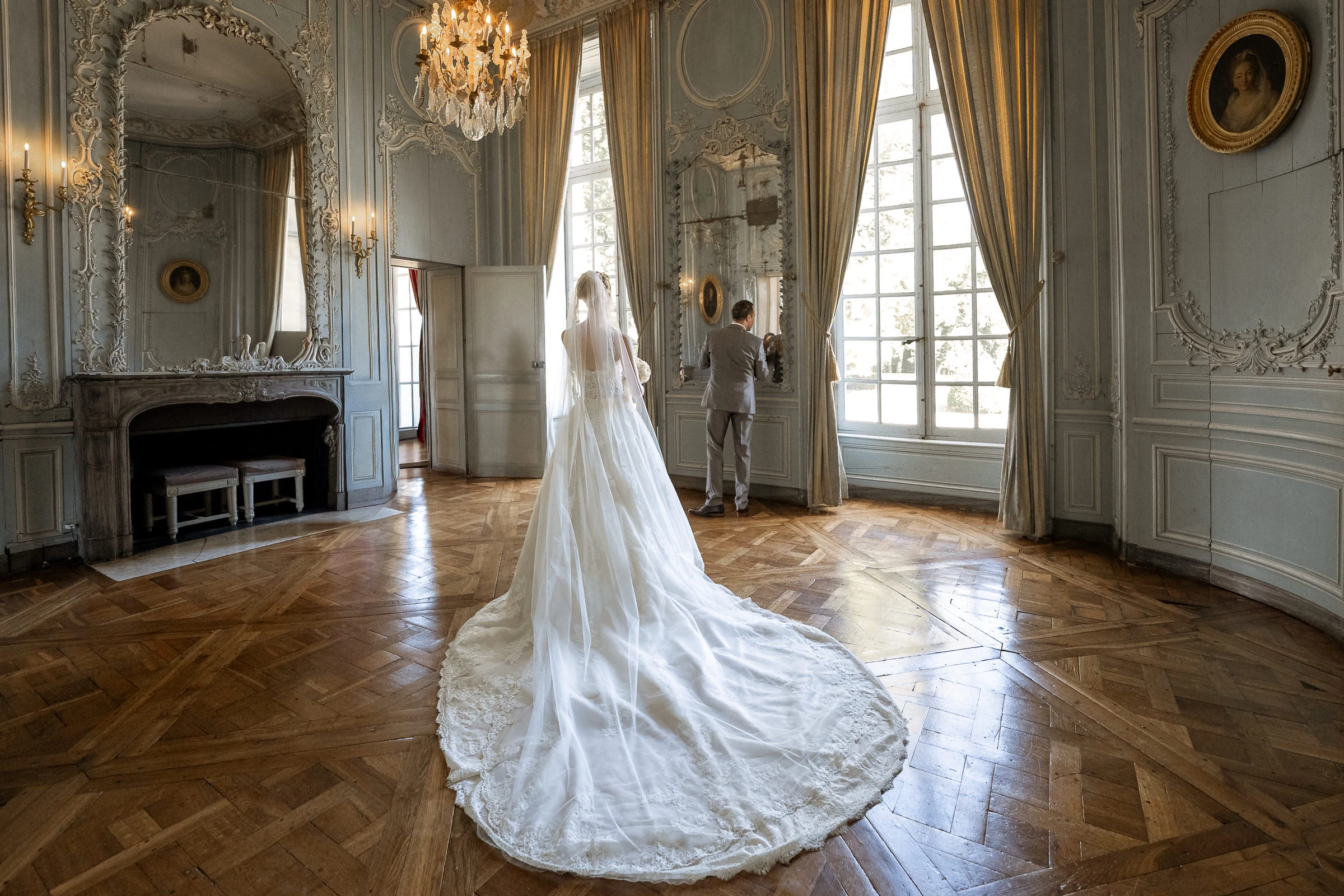
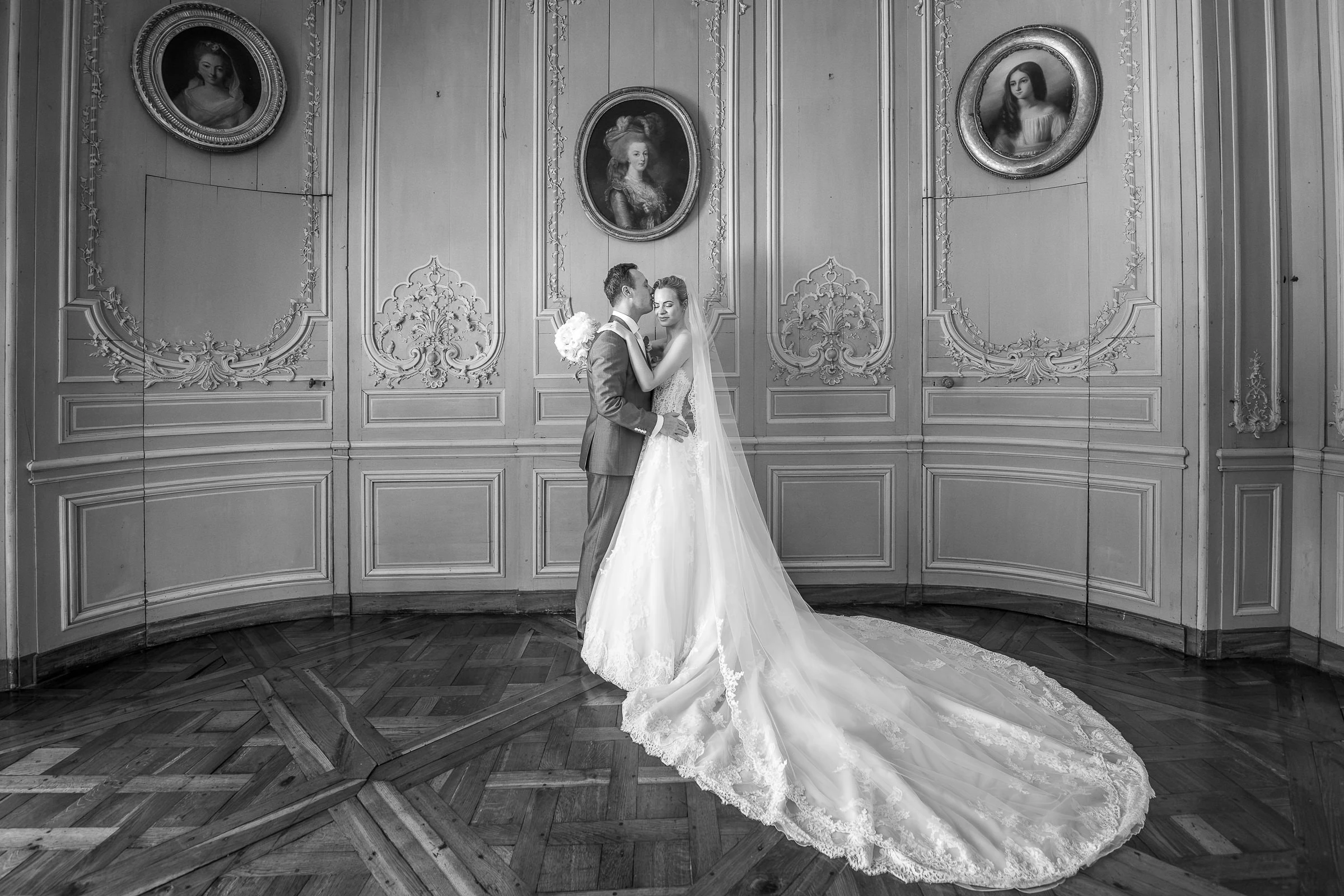
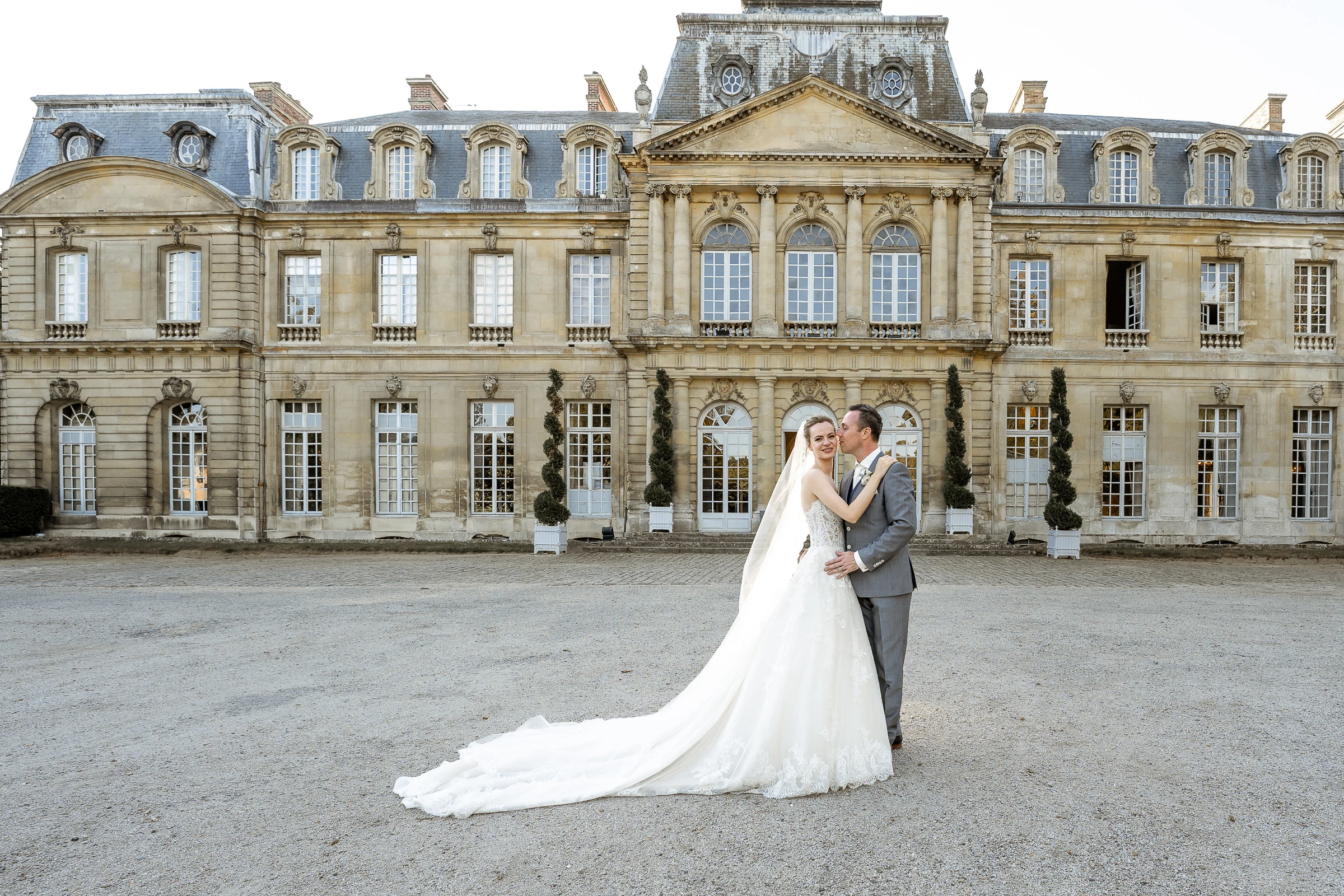
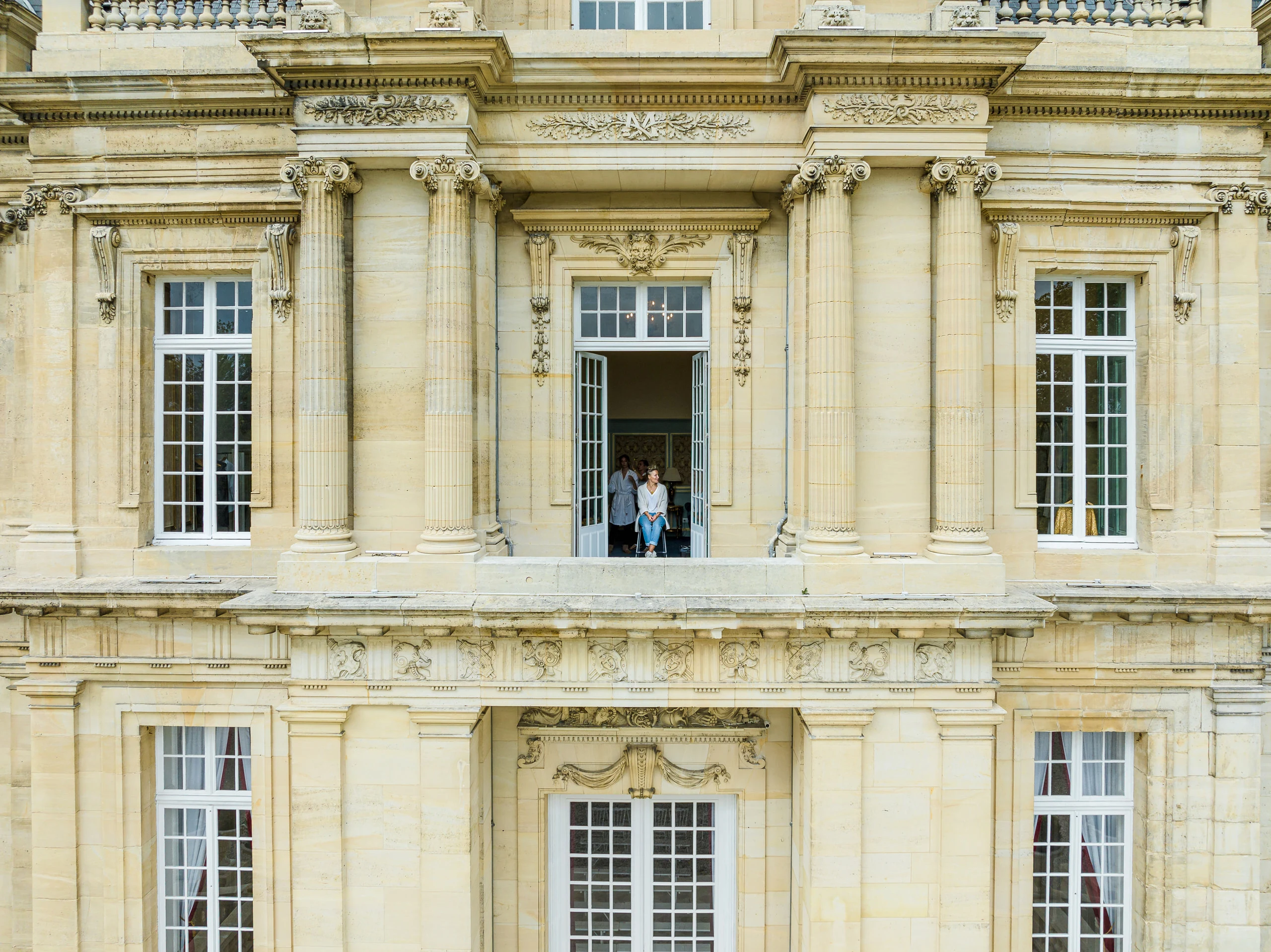
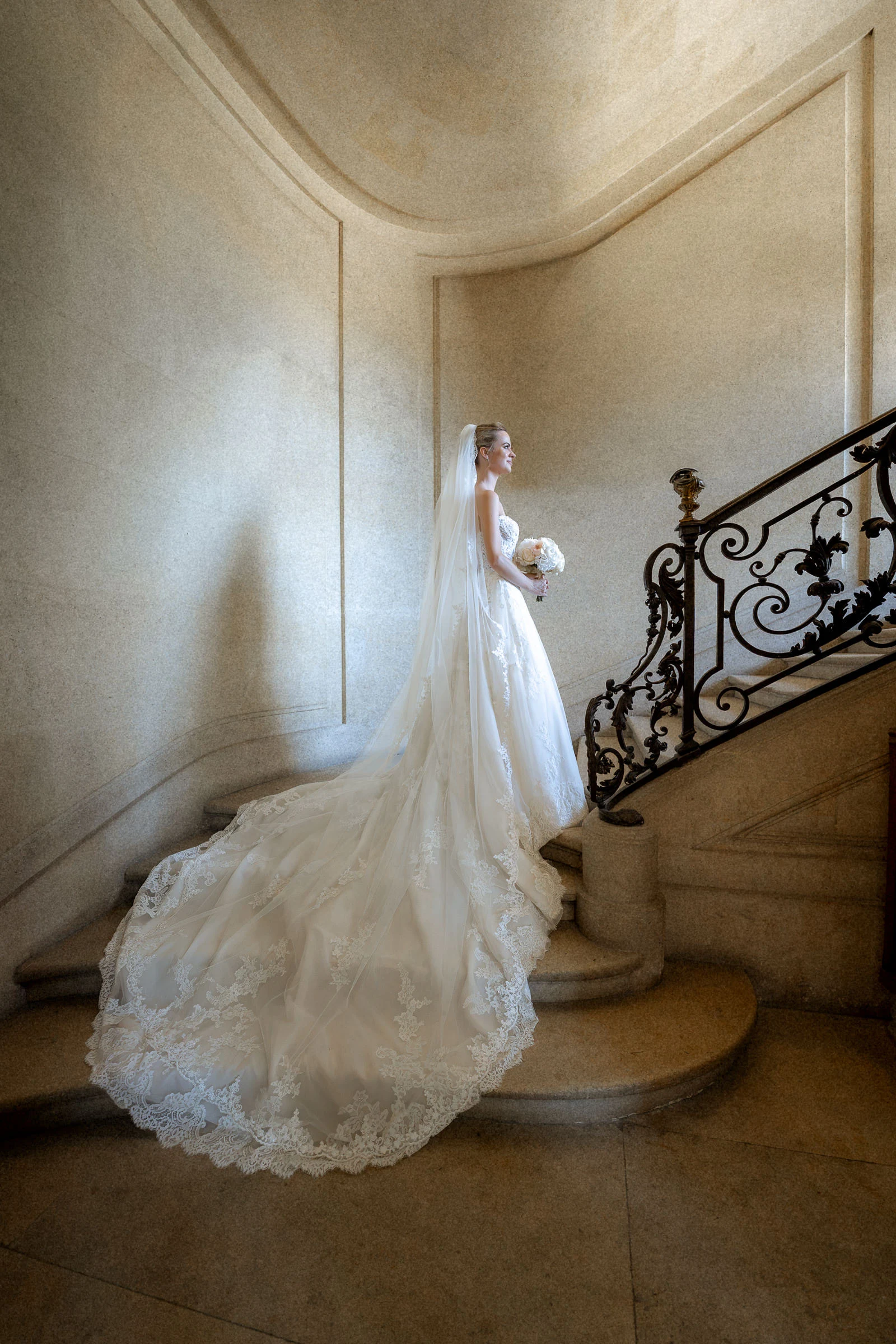
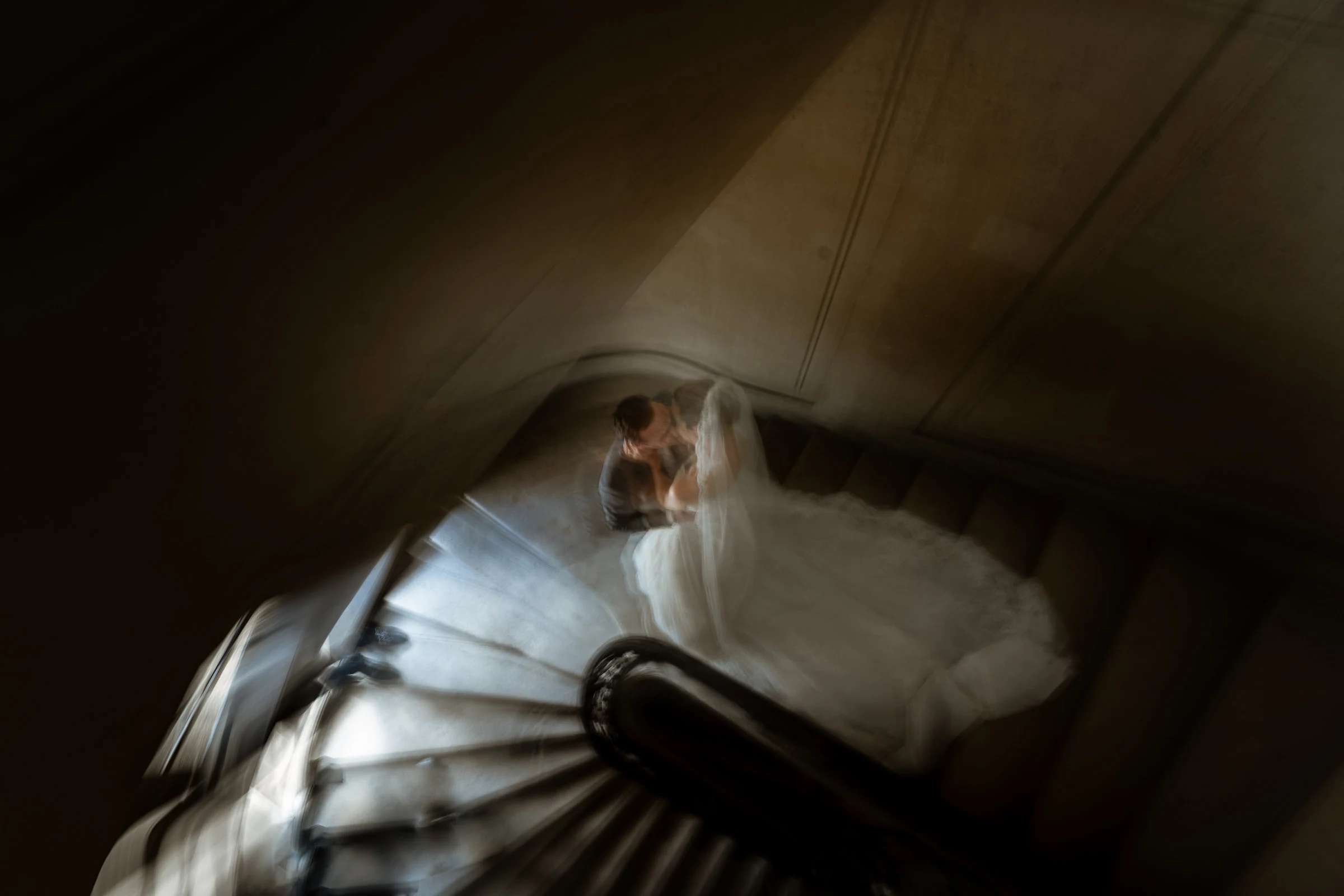
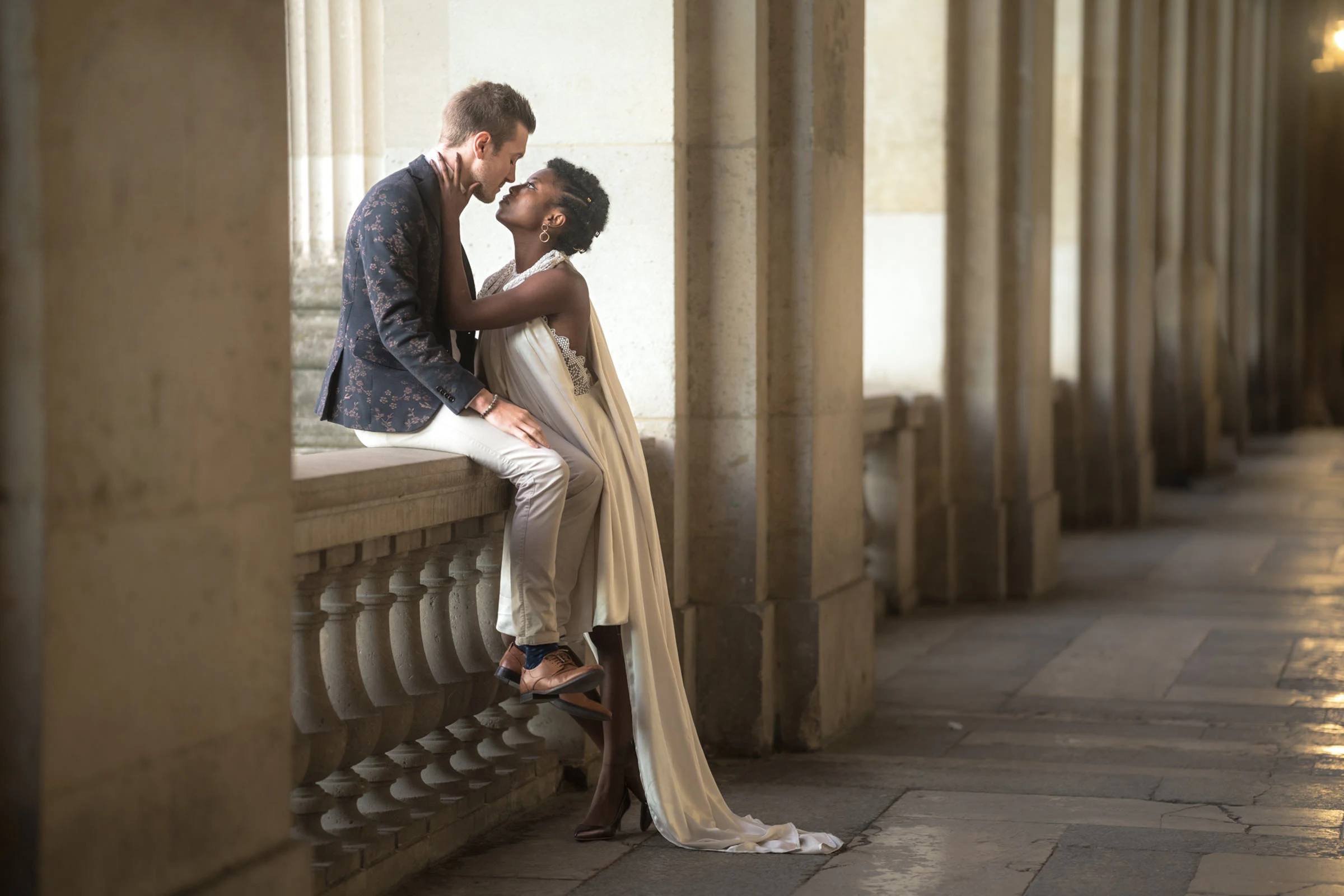
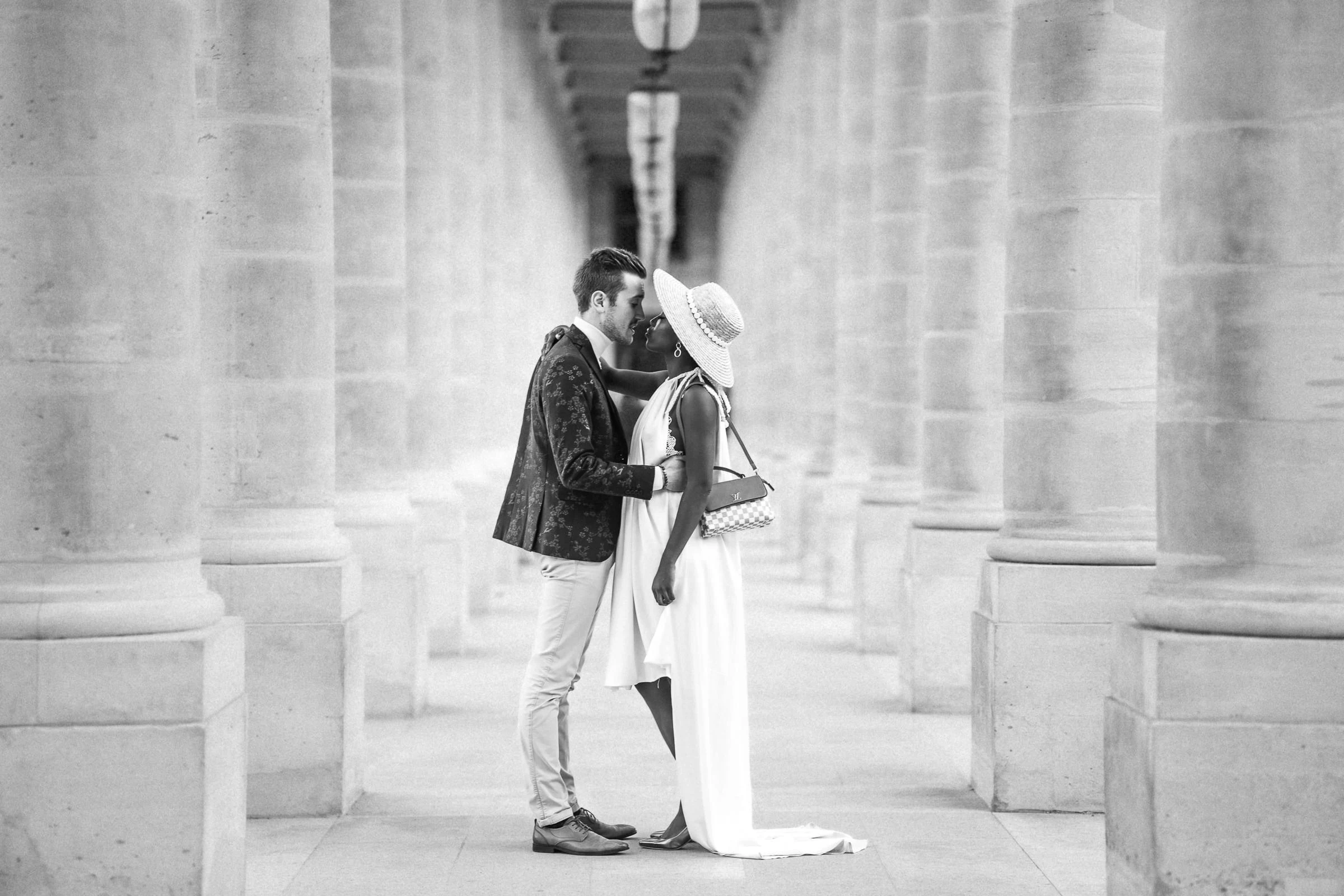
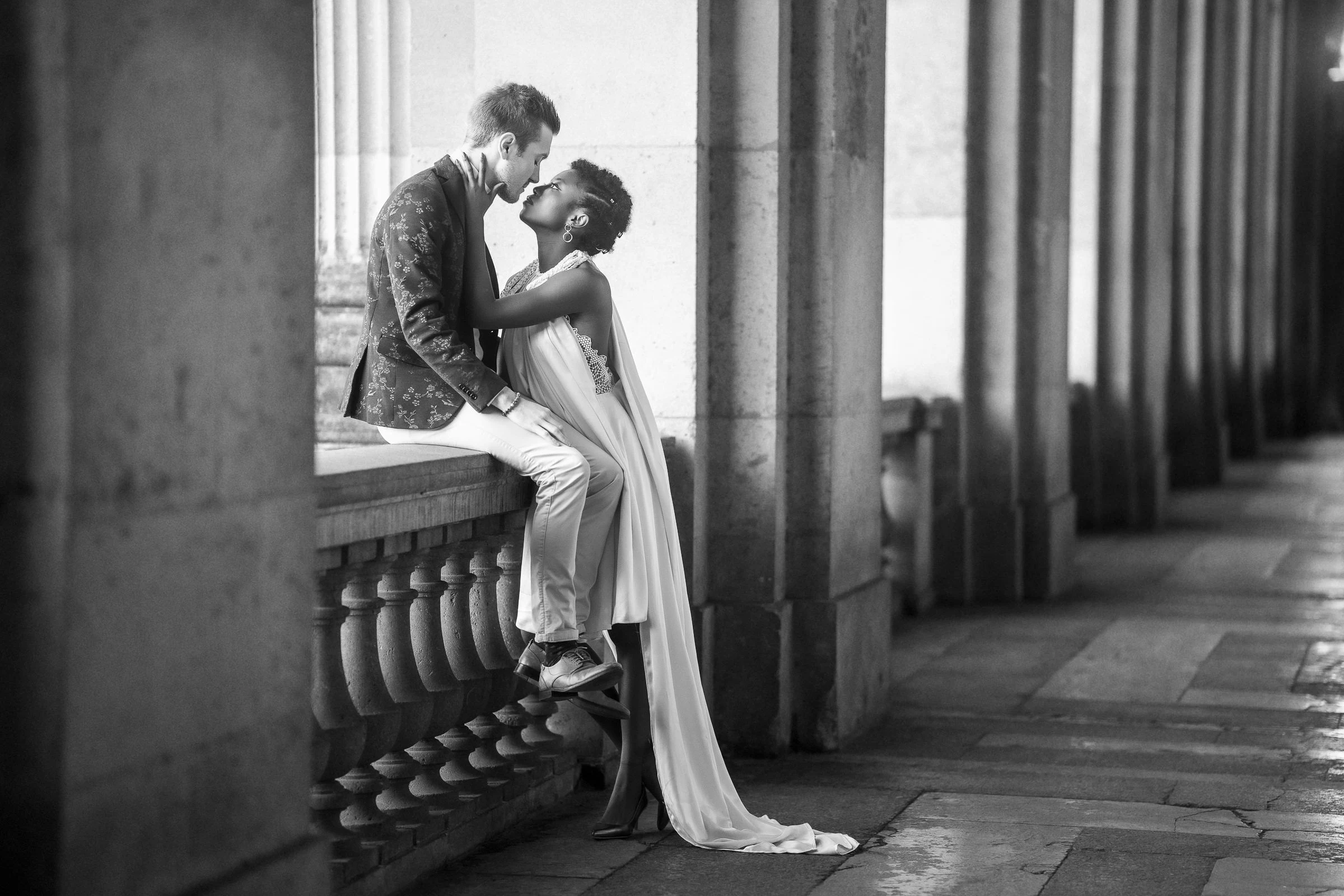
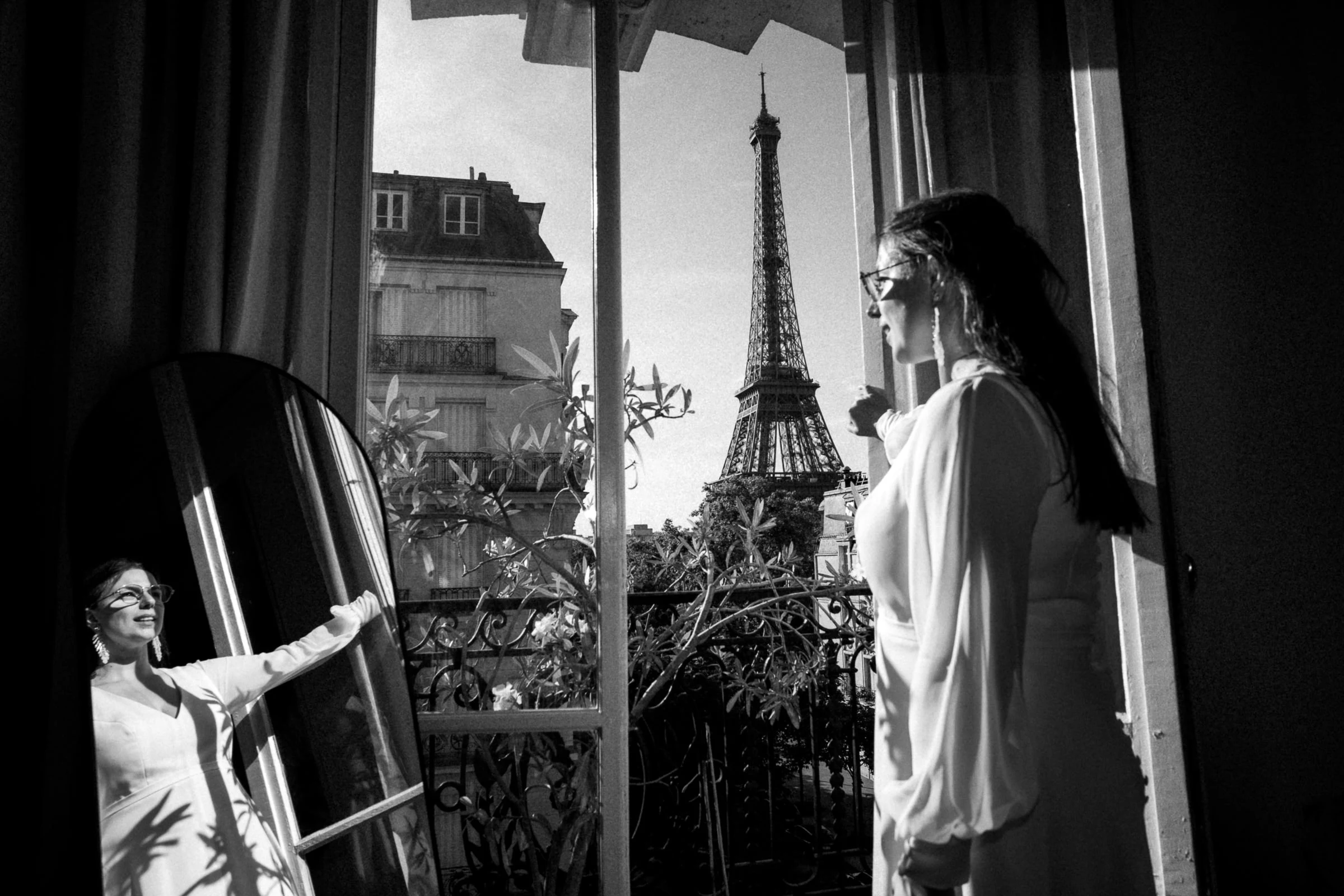
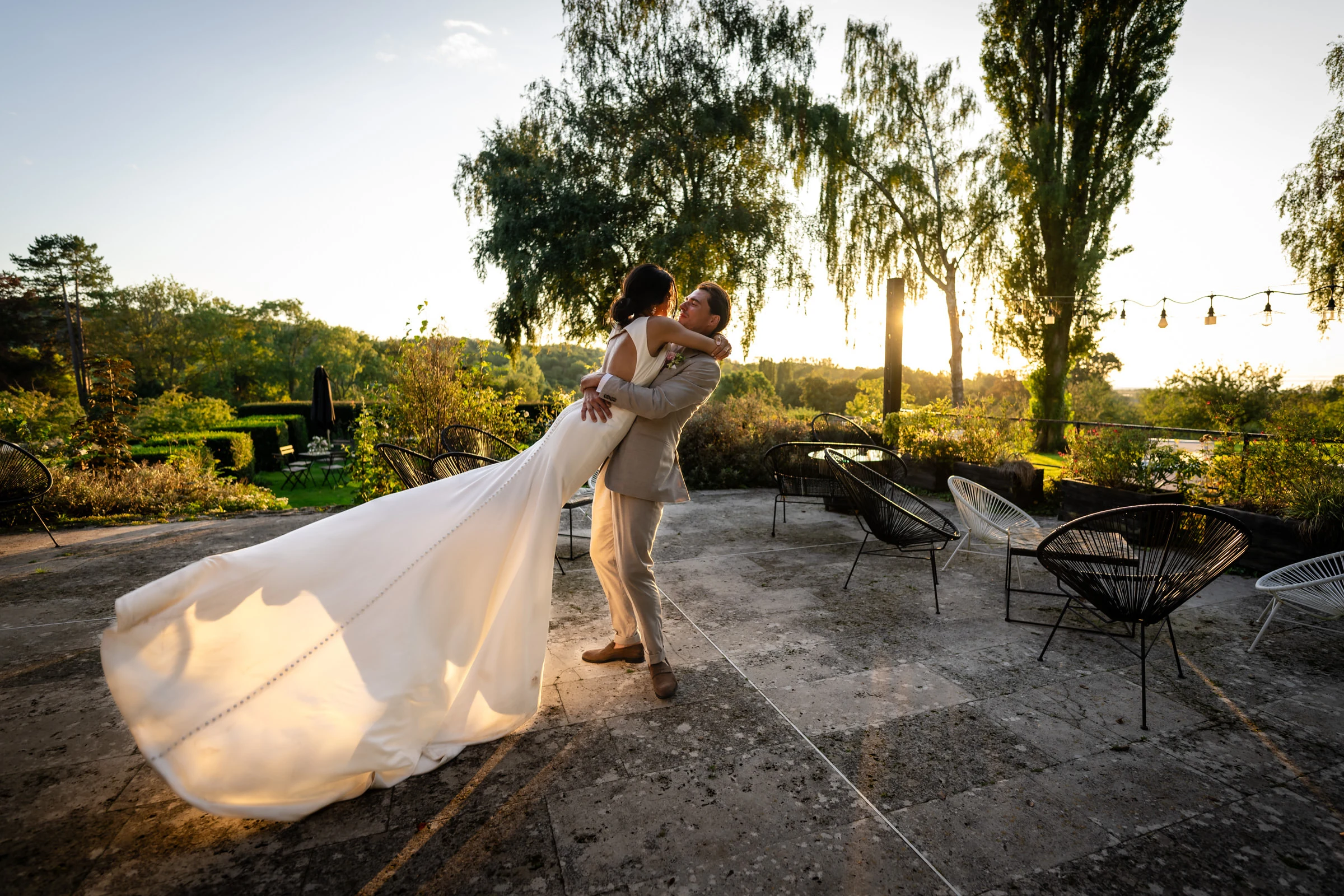
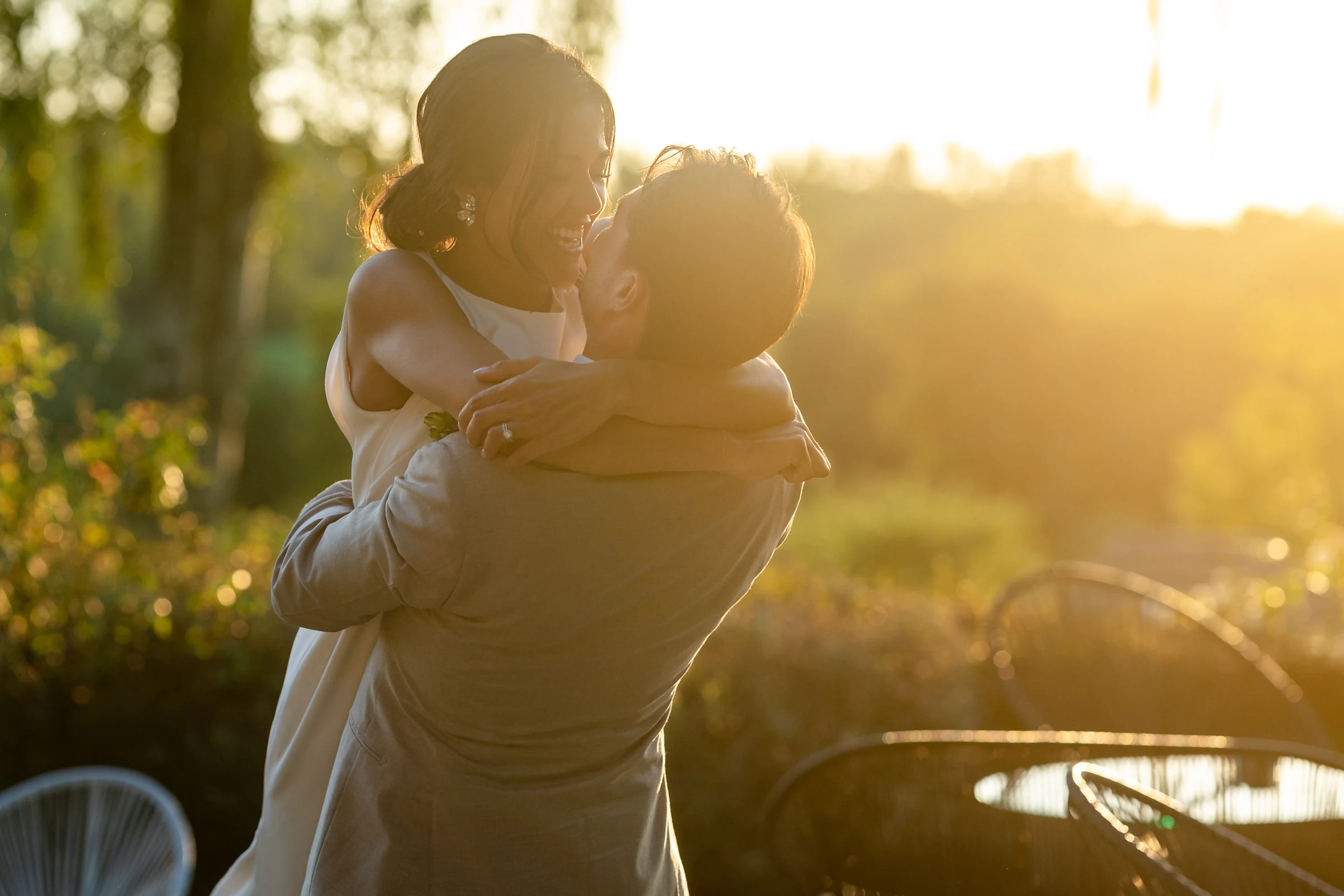
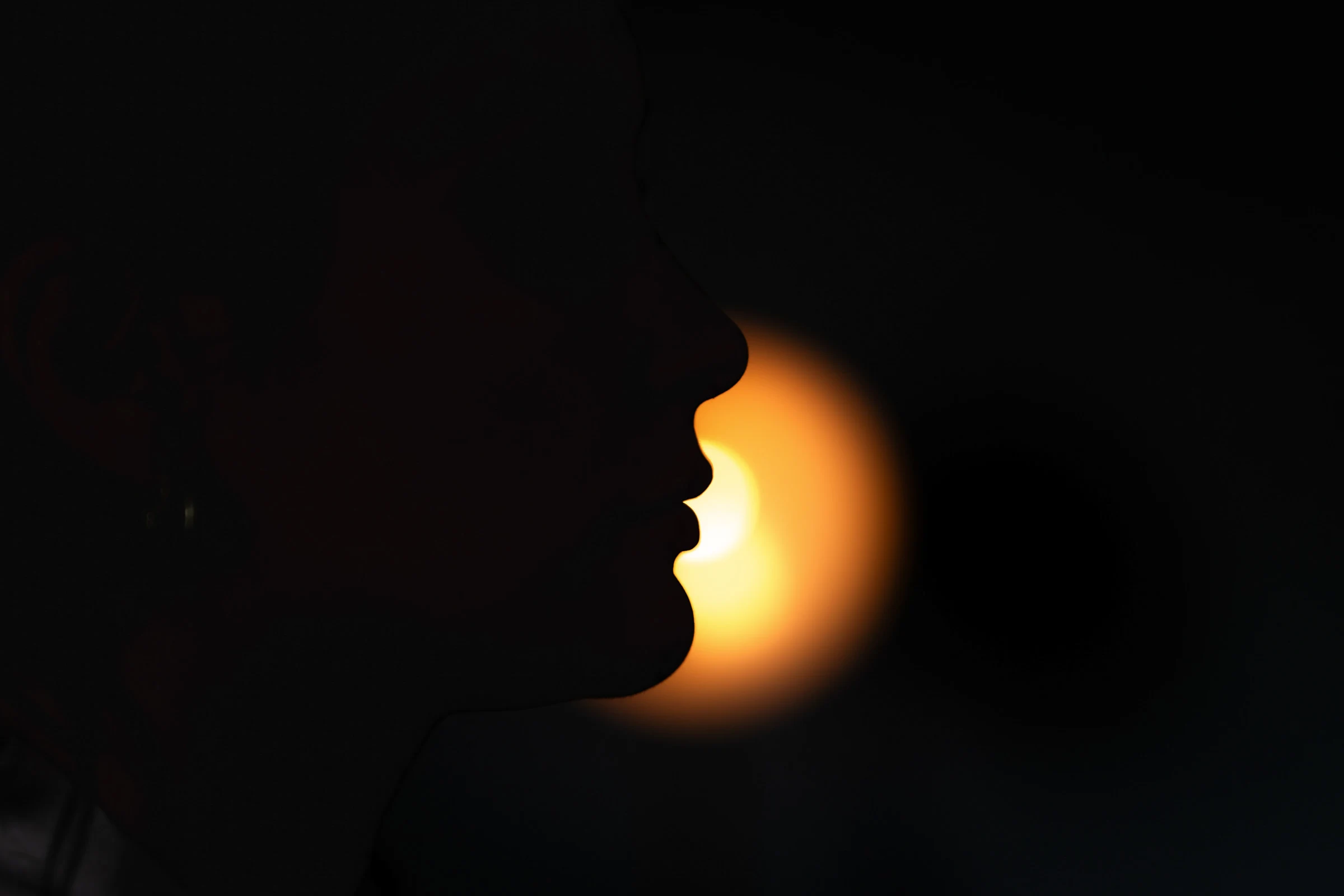
And rather than one long couple session, I prefer several short interludes, ten to fifteen minutes each, at different moments of the day. The light changes, the settings change, and so do your pictures: in the same house, a bedroom with half-closed shutters calls for shadows and silhouettes; a room with pale stone walls calls for luminous images. Each interlude is worked differently, and that is what the styles I have passed through are for. Your party, meanwhile, never waits for you long.
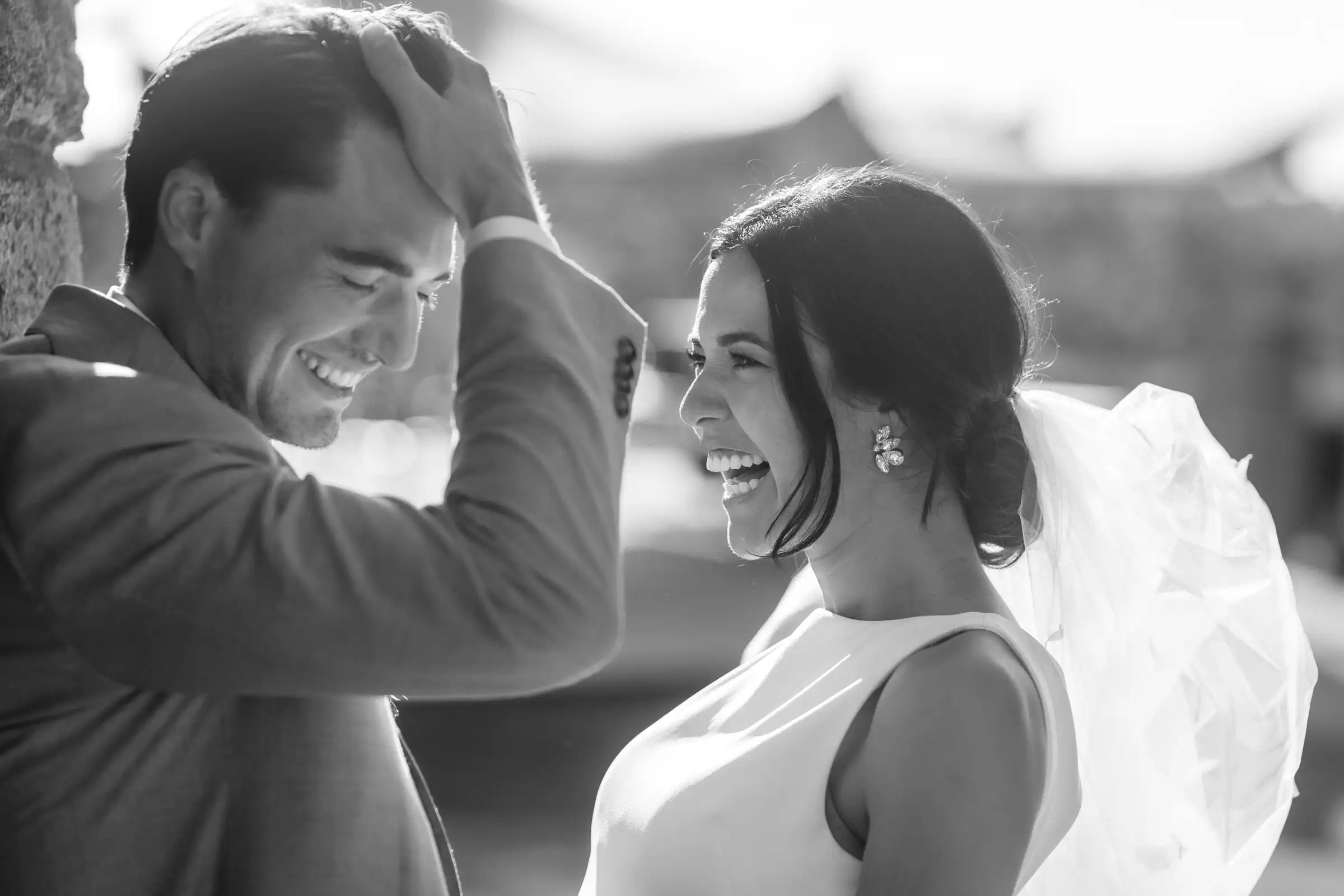
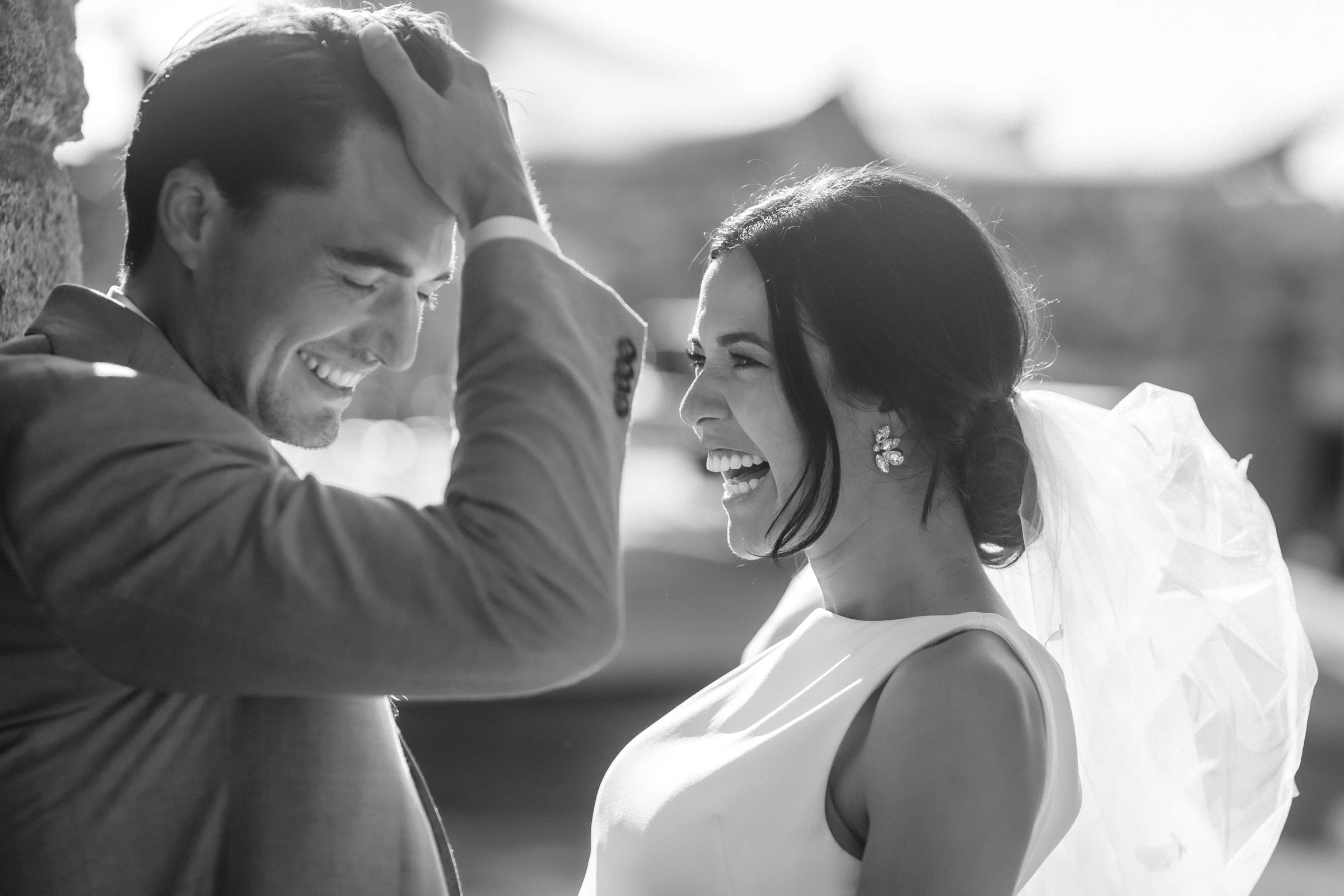
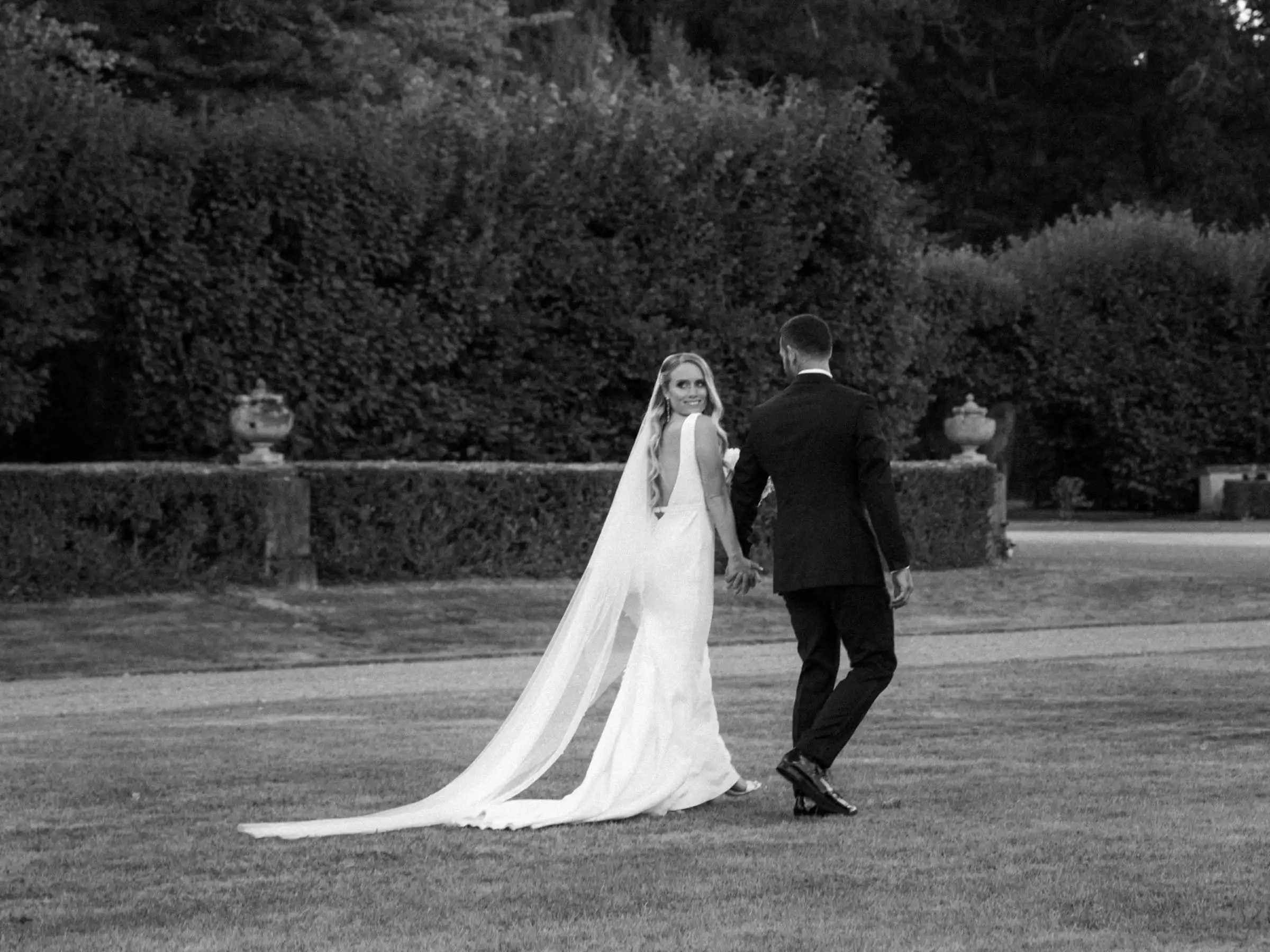
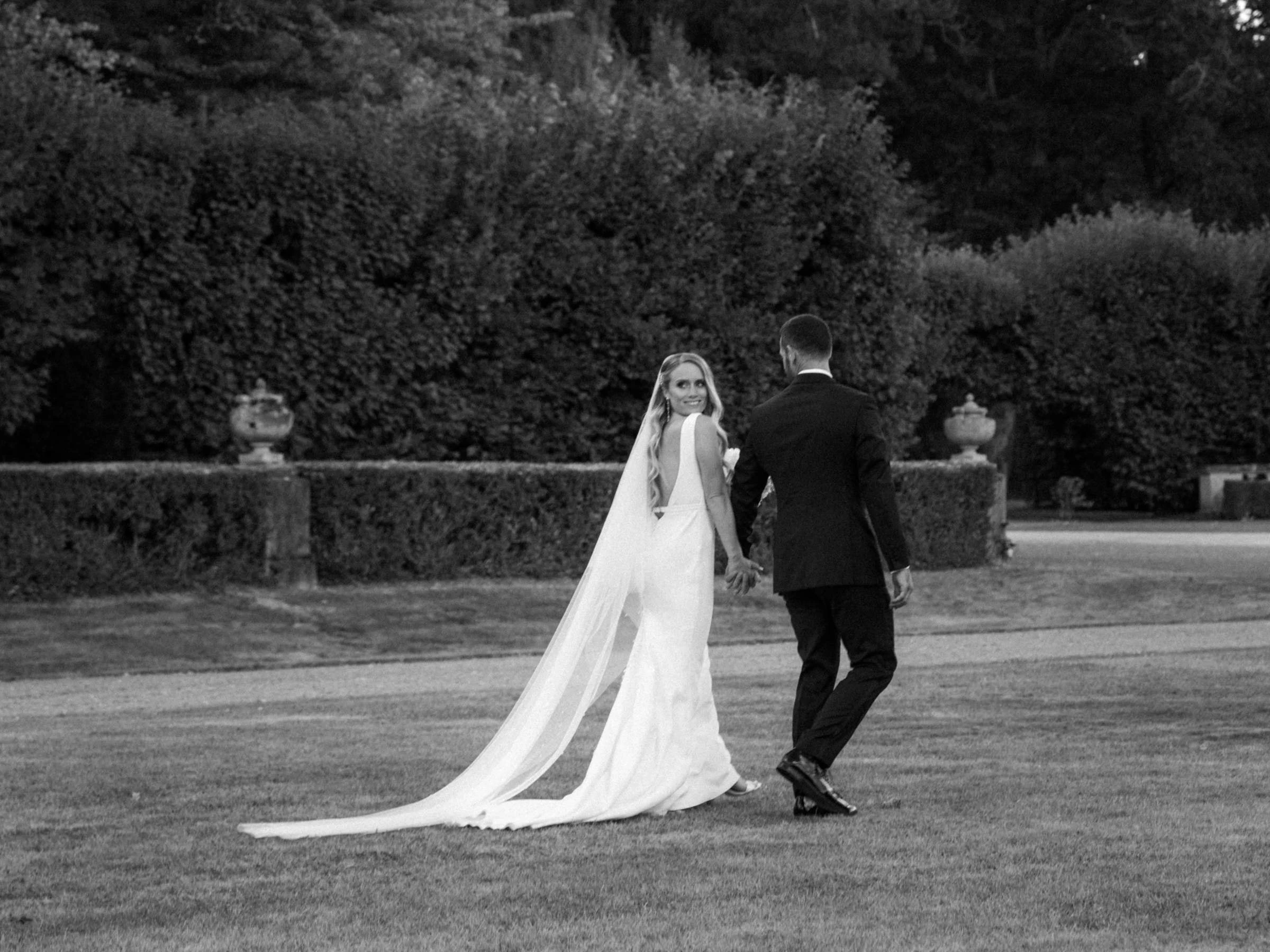
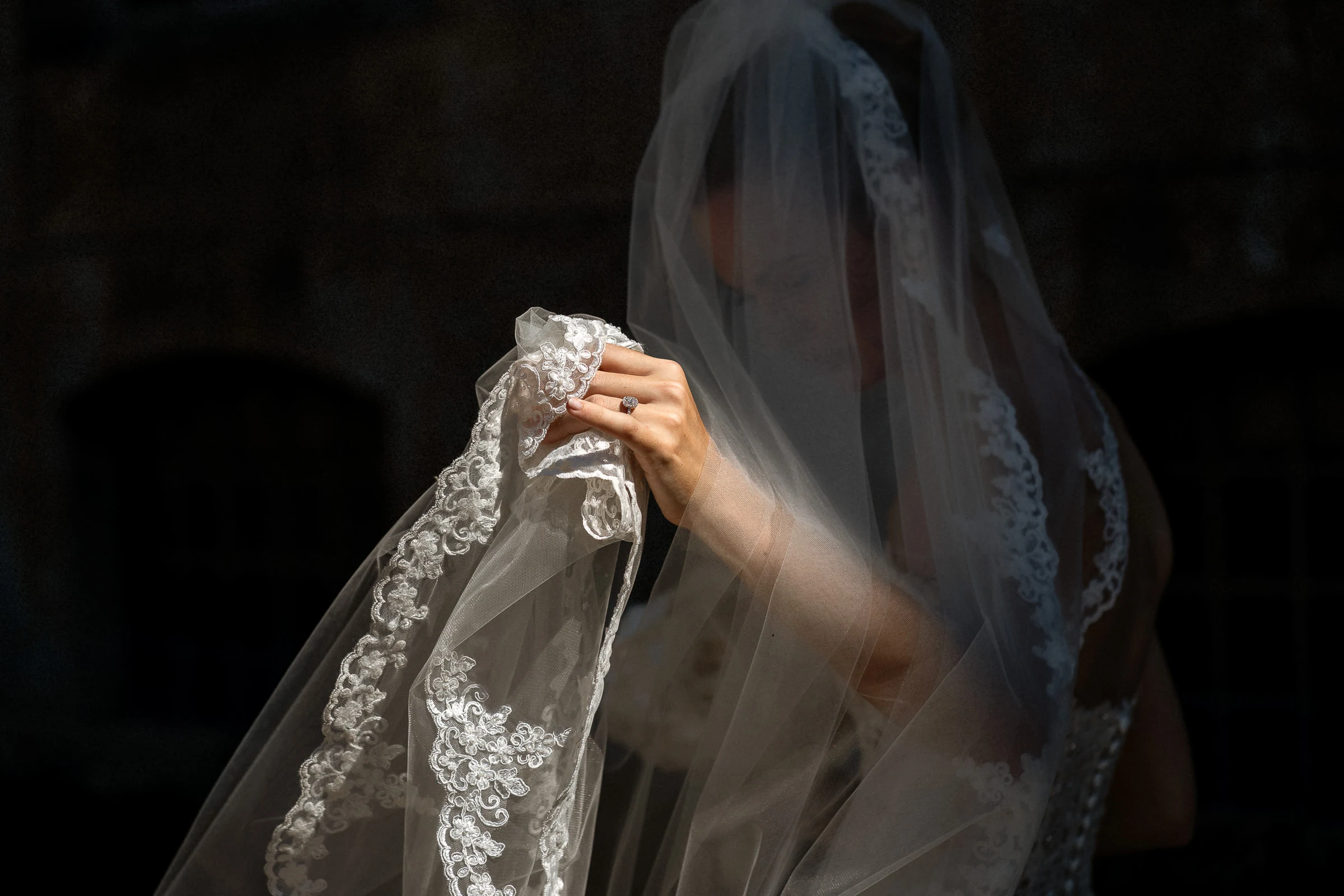
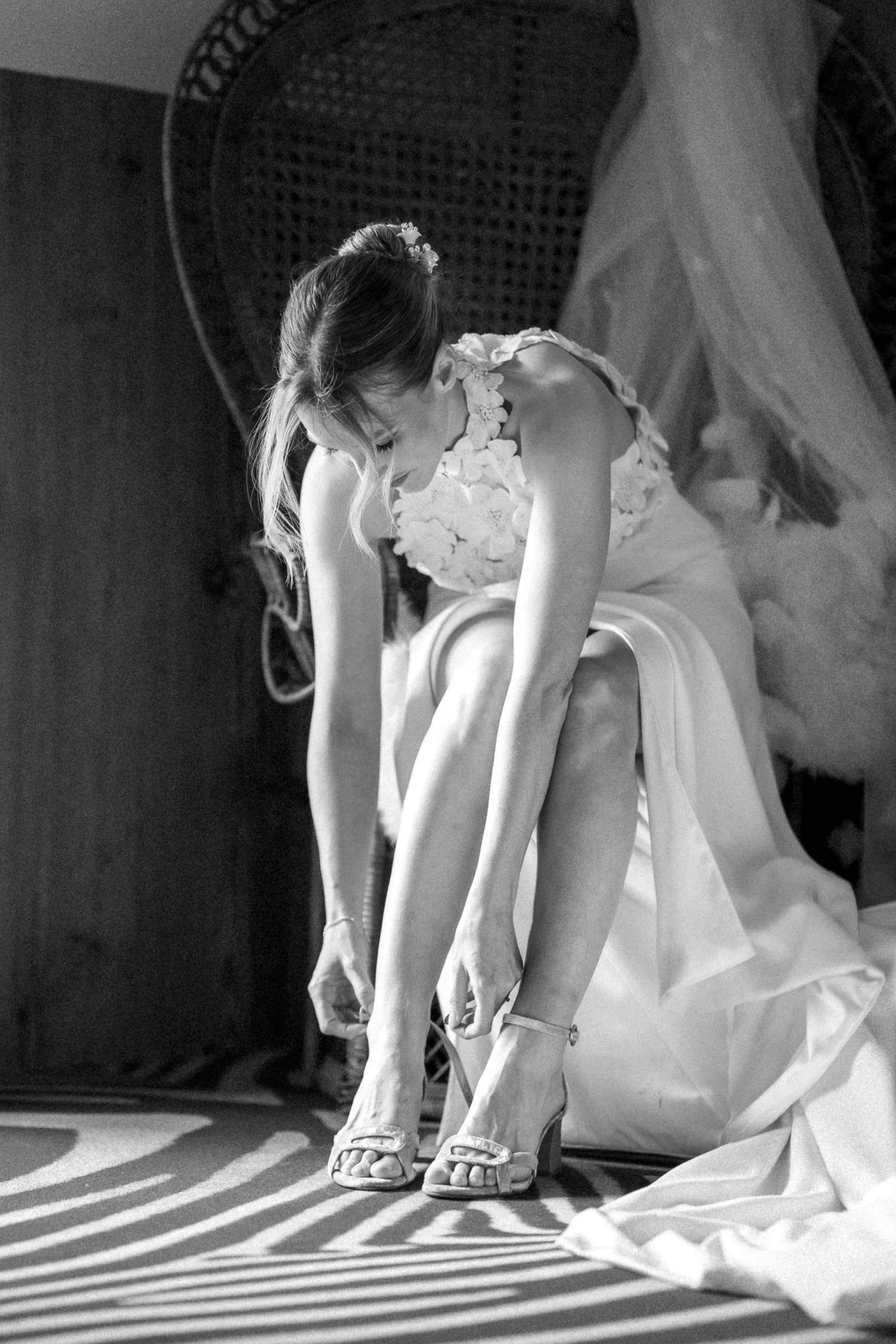
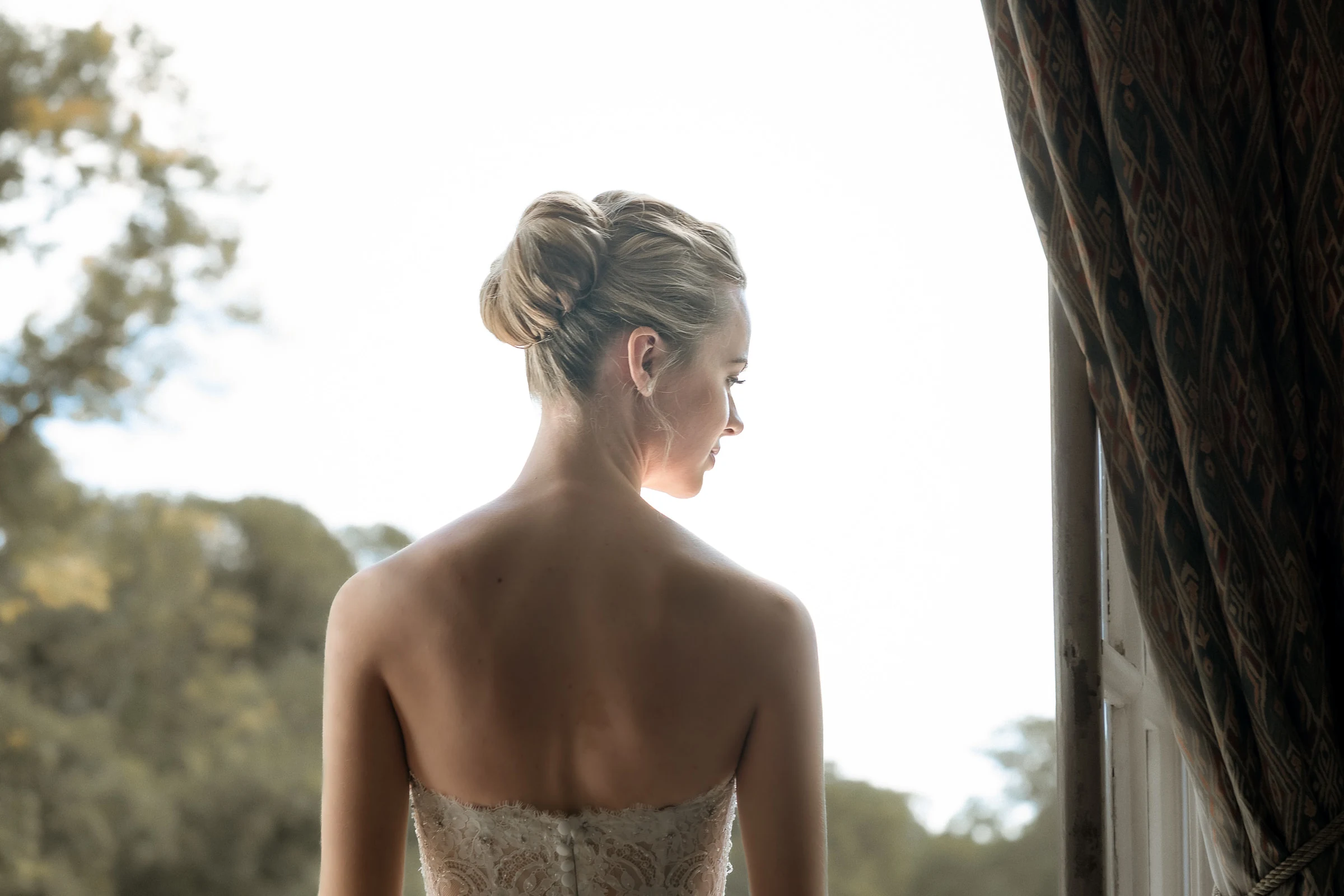
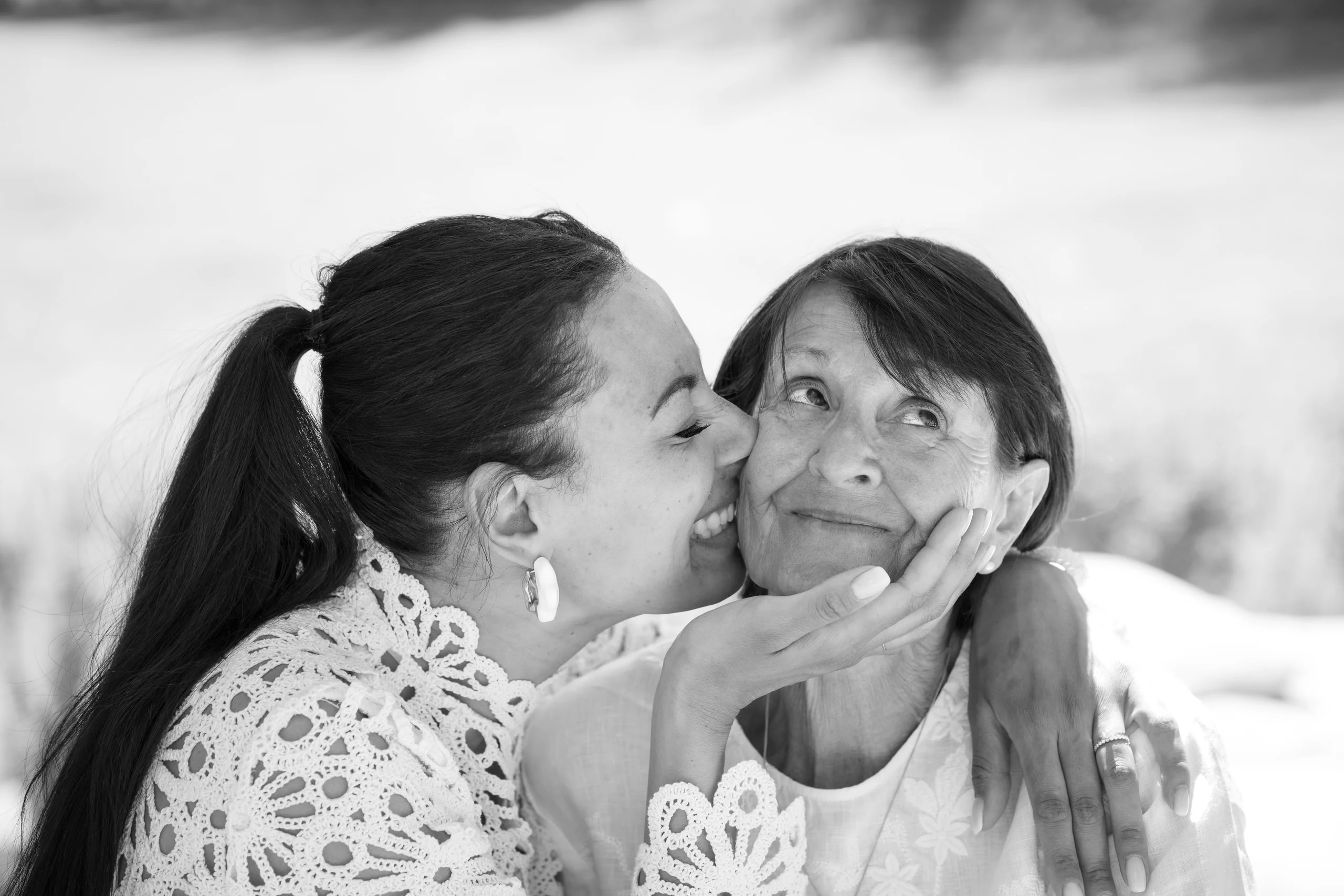
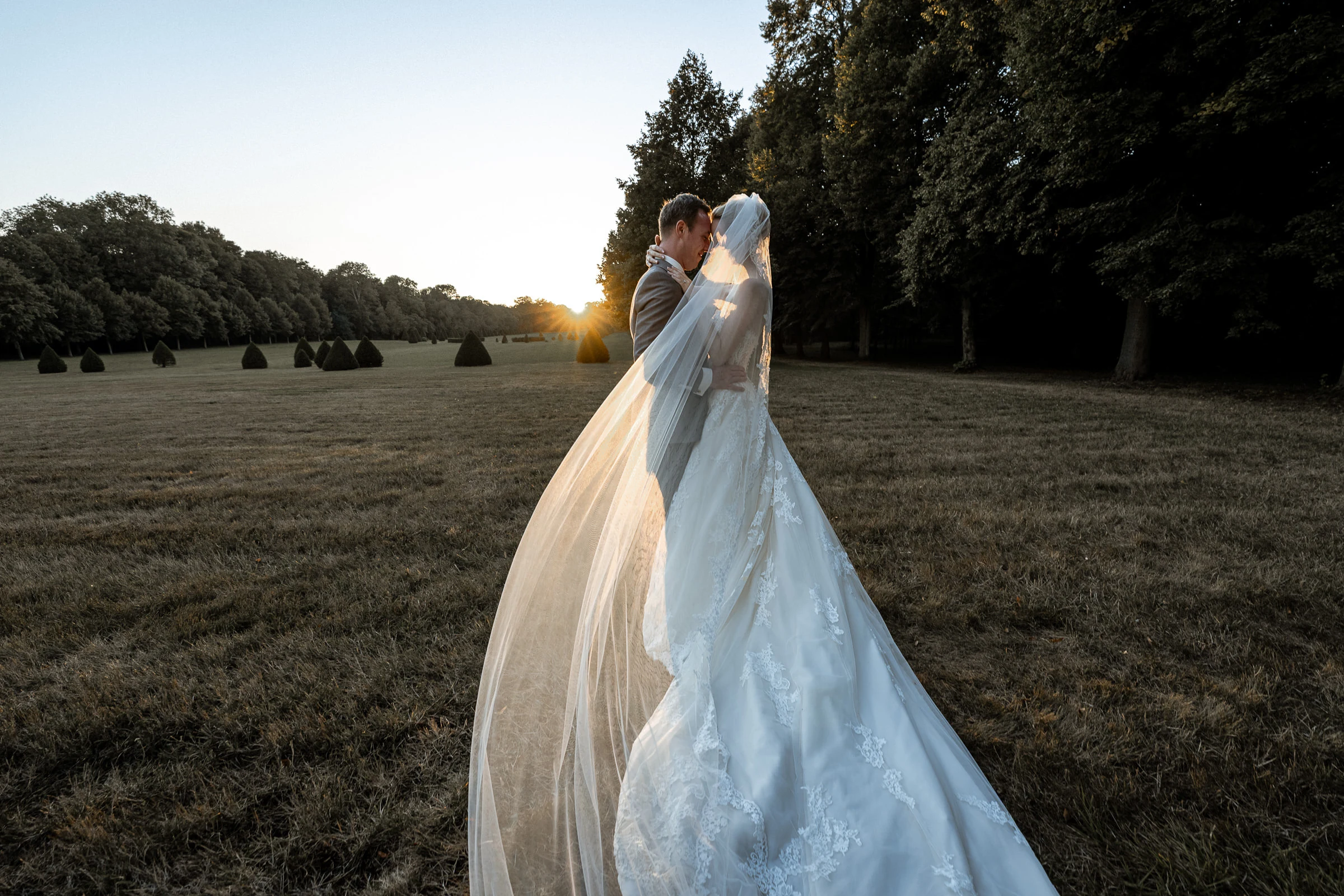
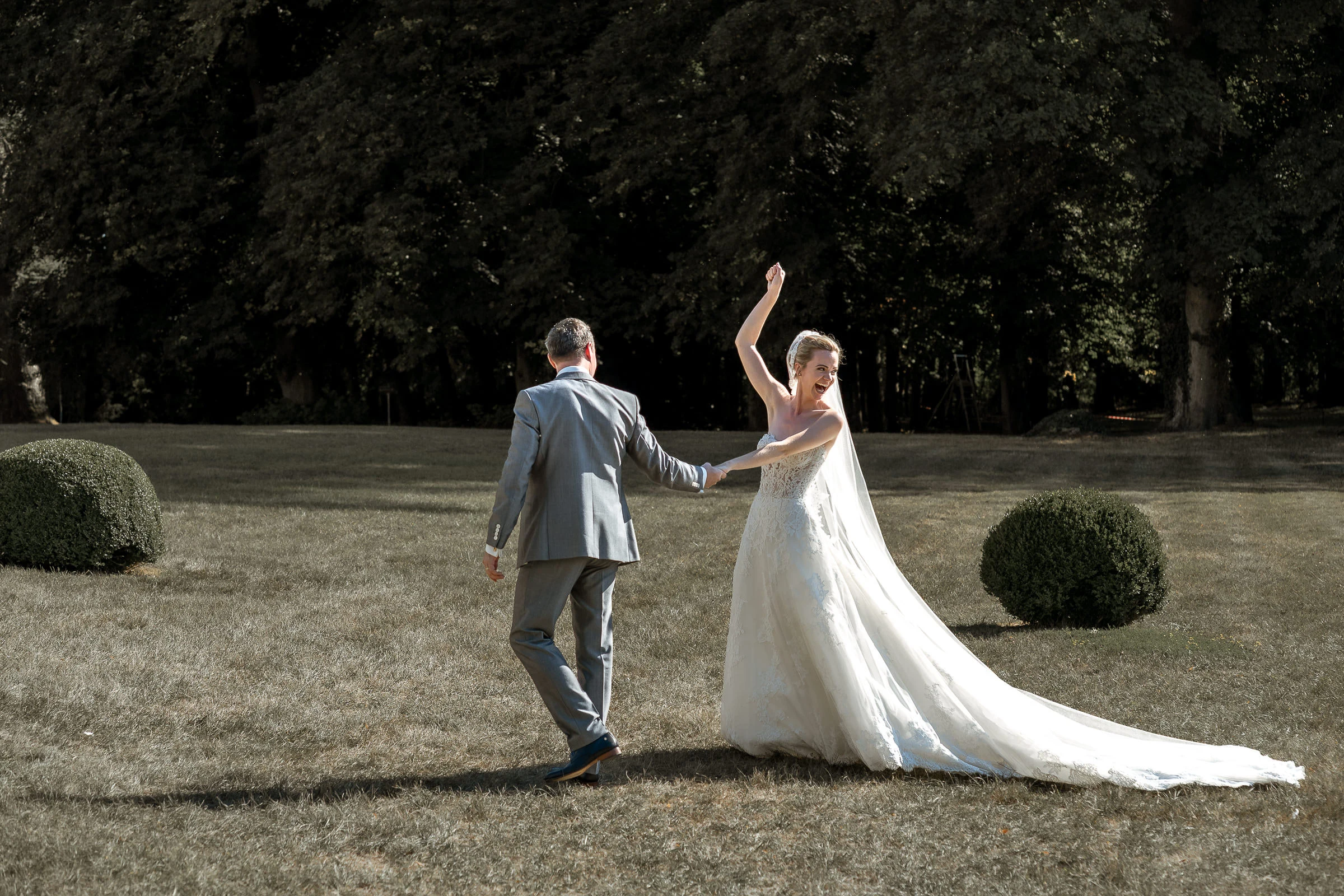
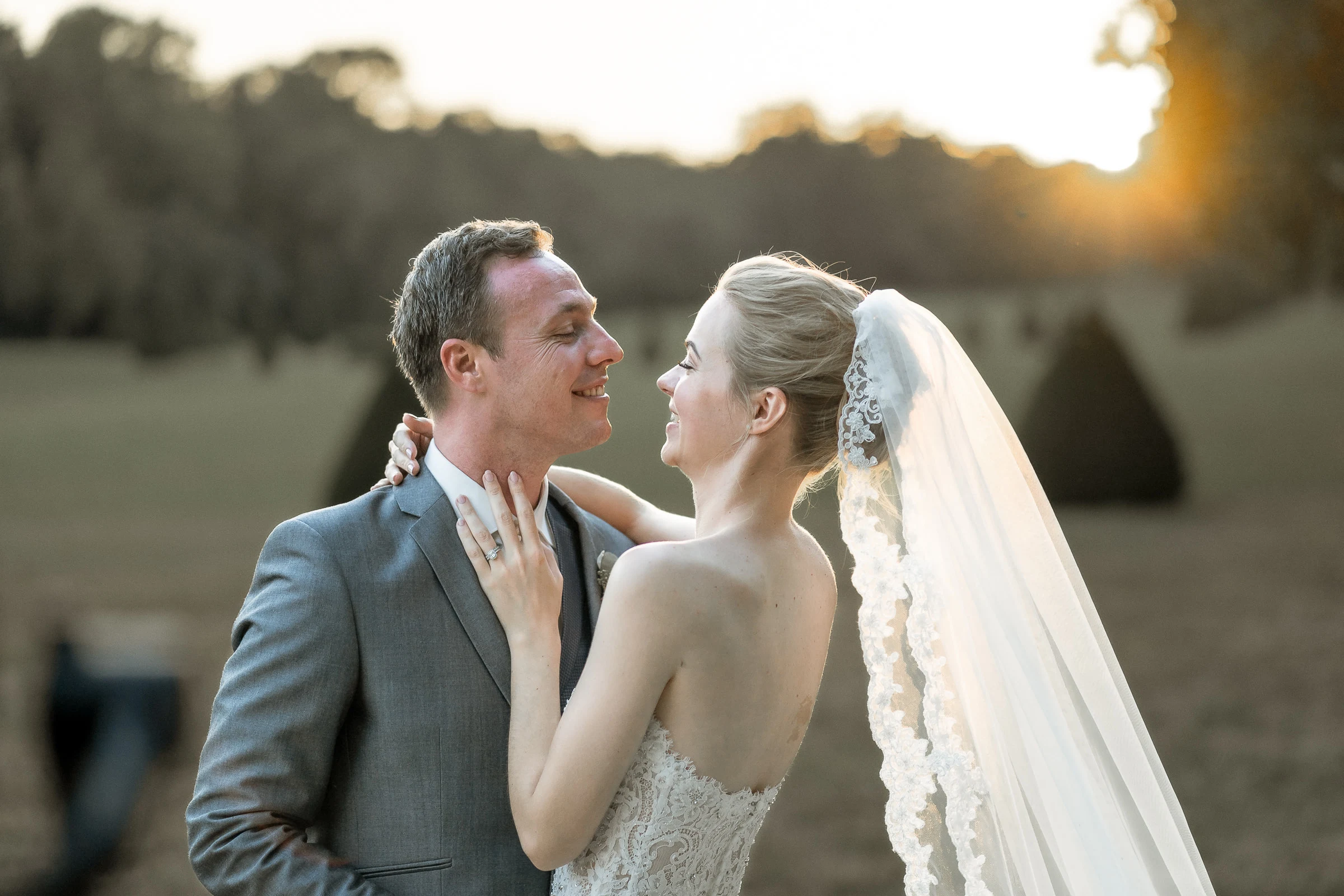
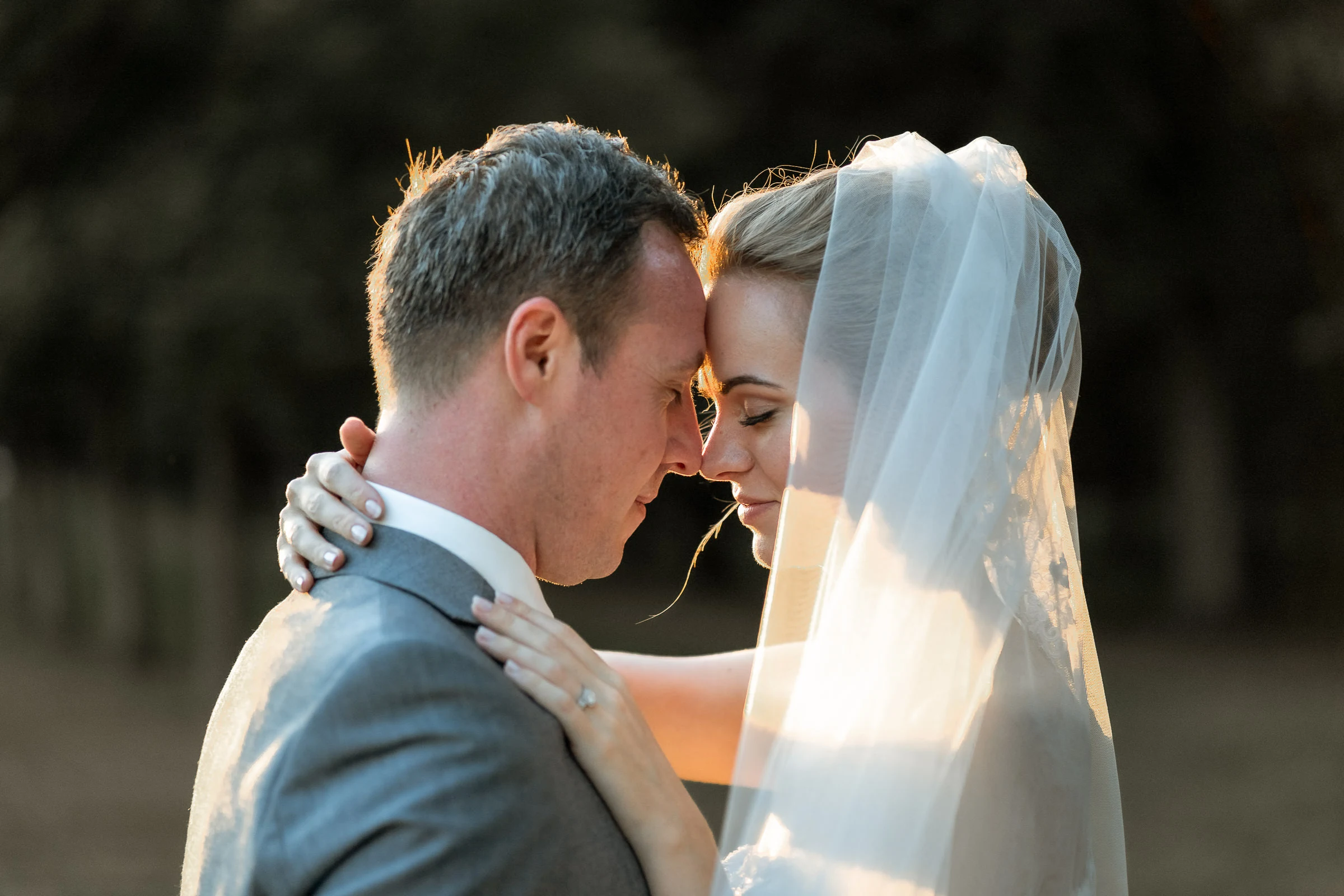
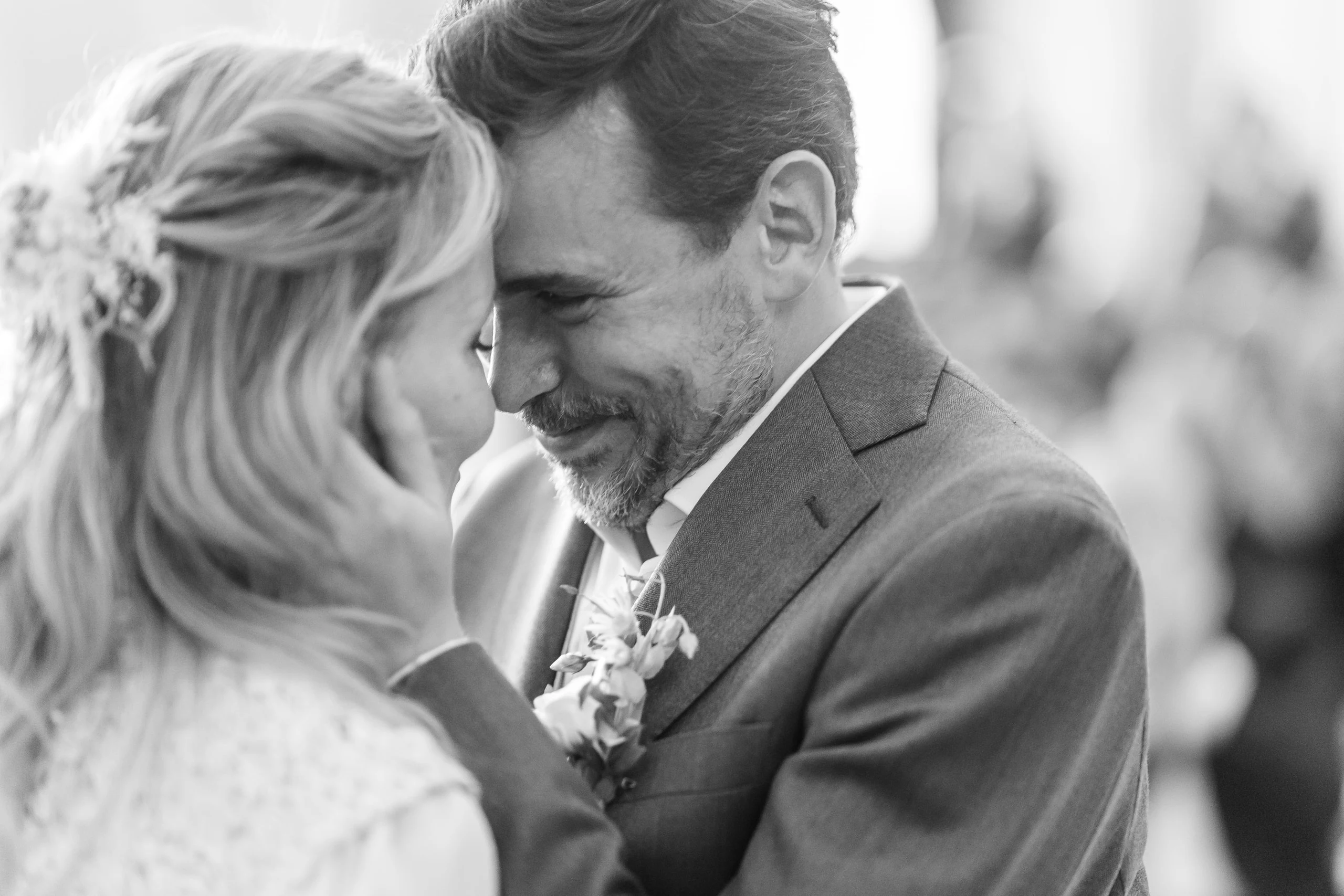
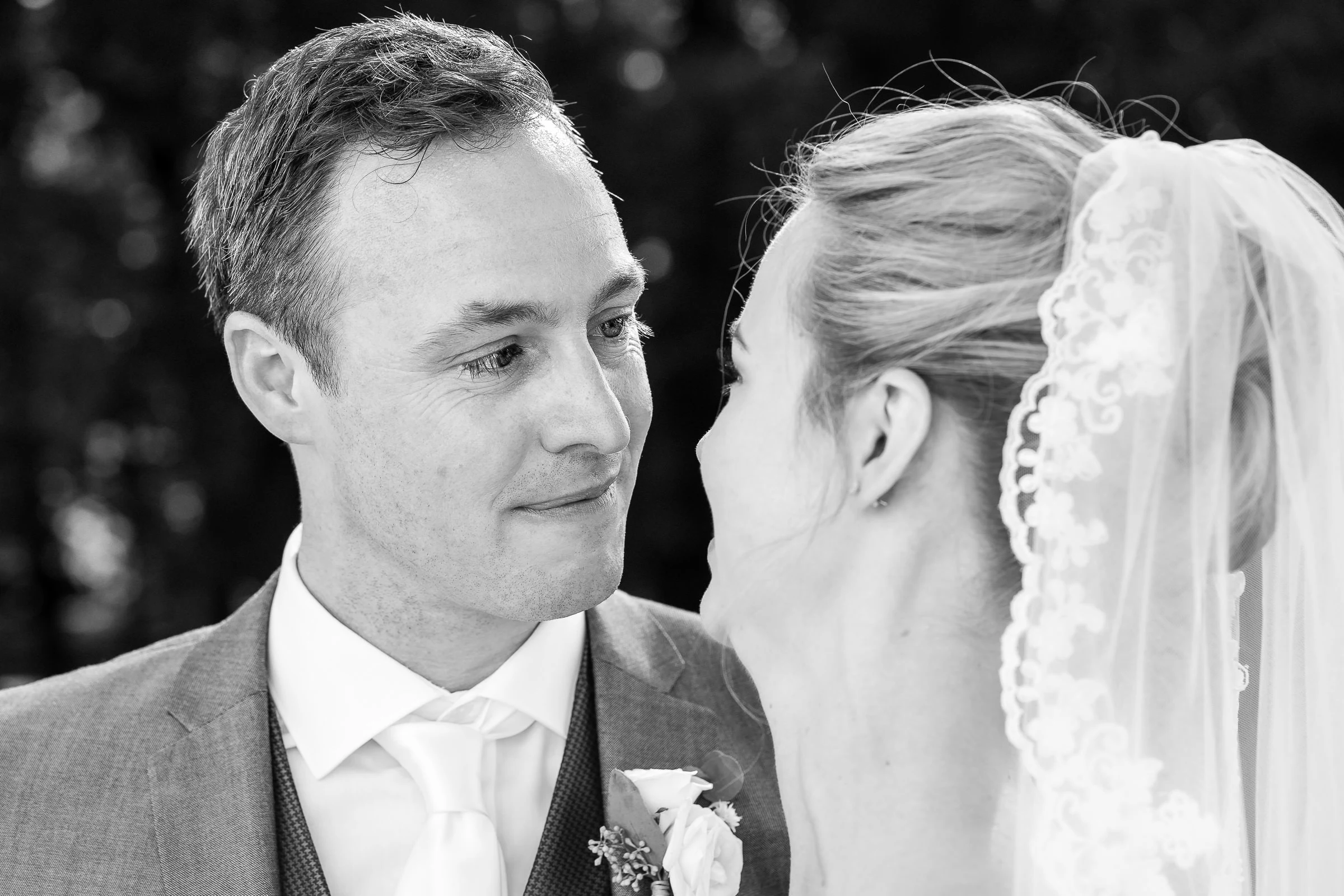
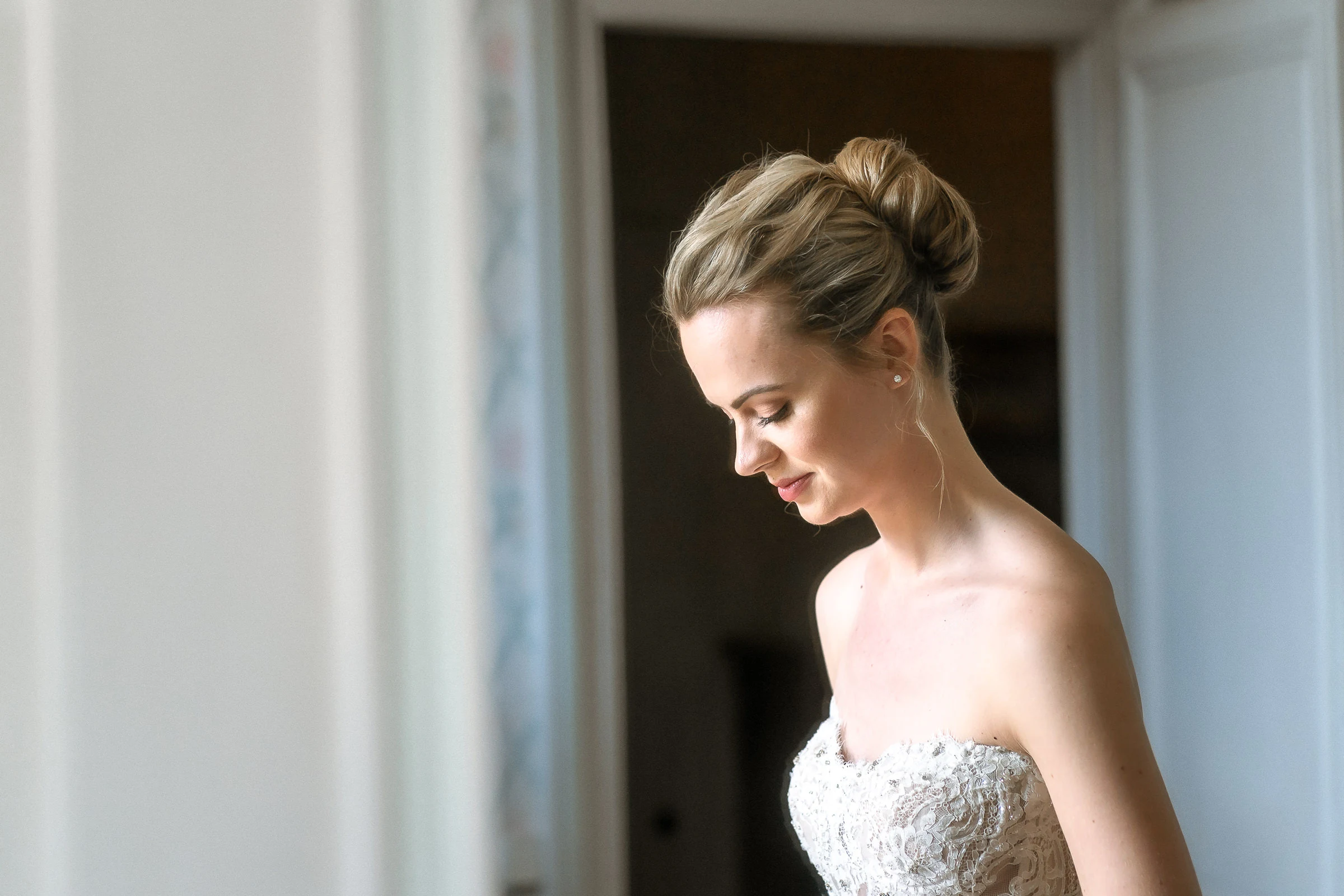
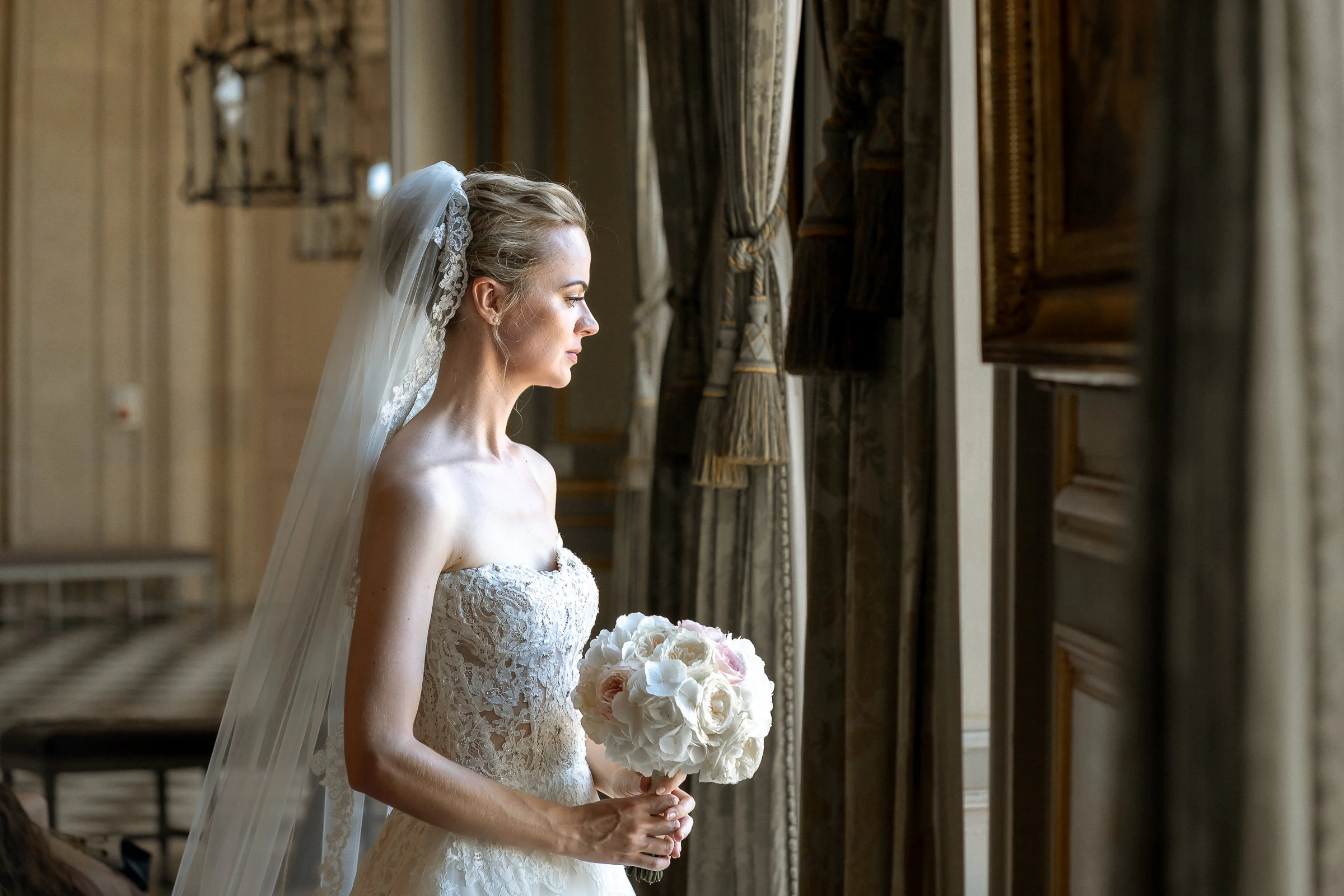
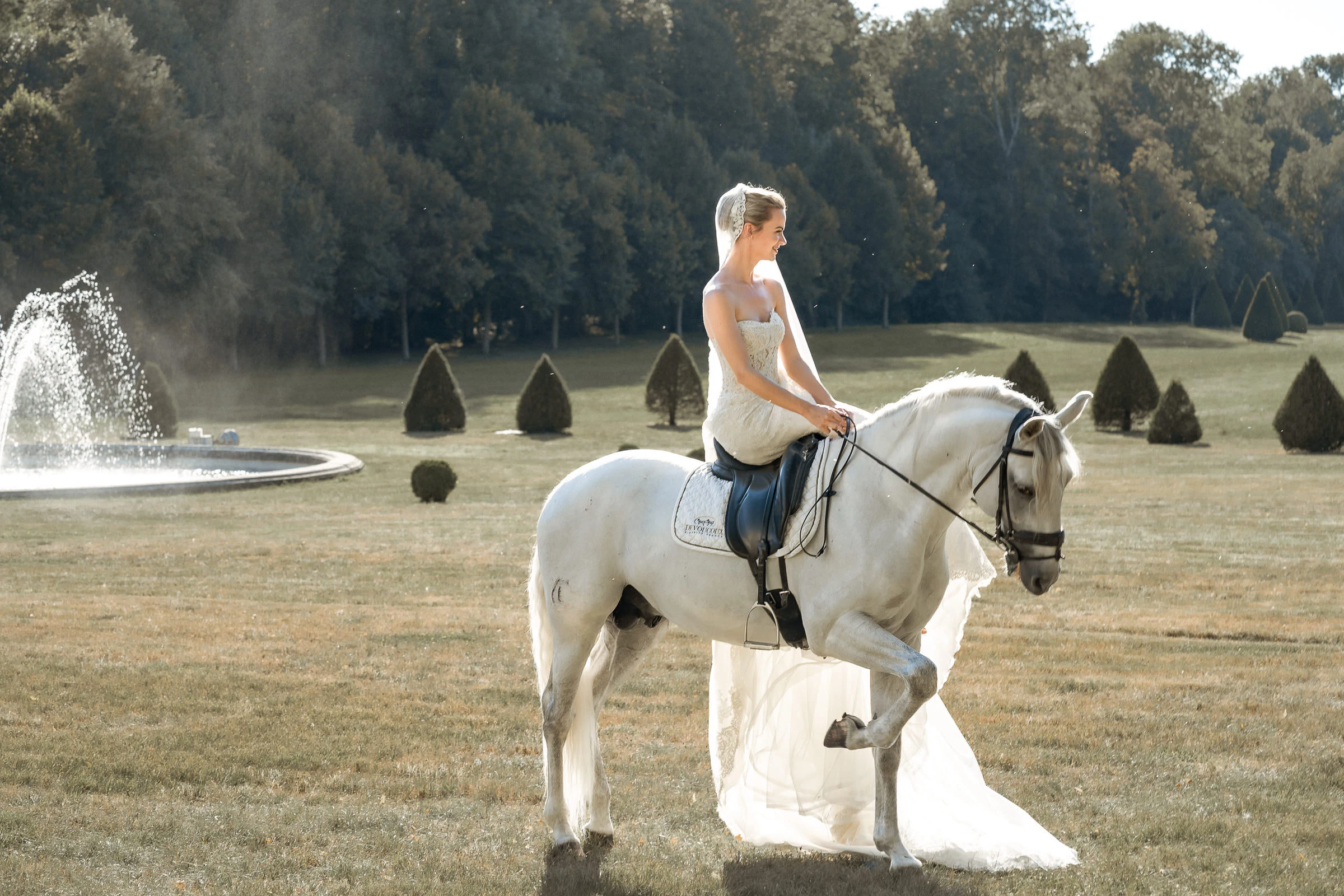
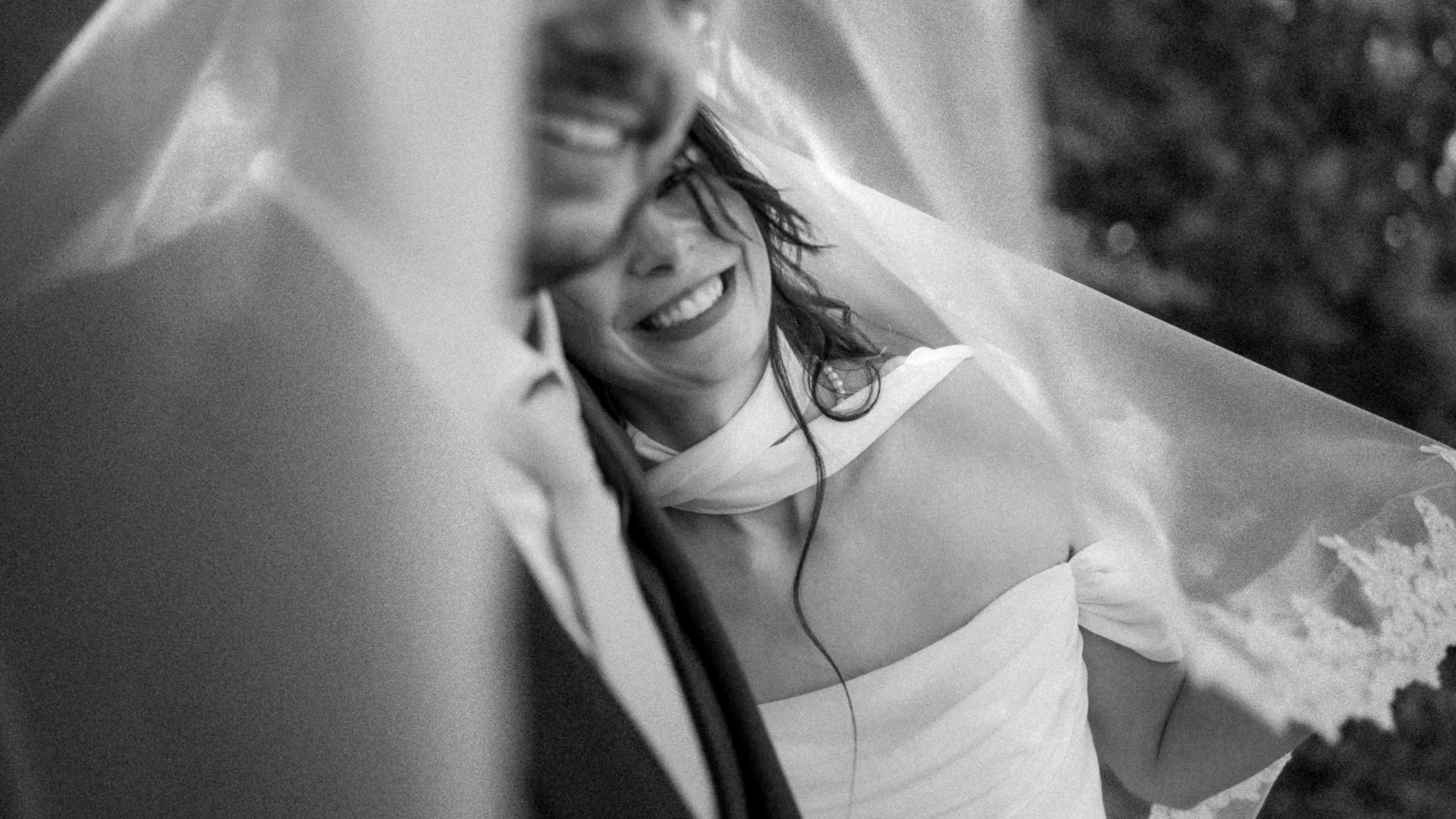
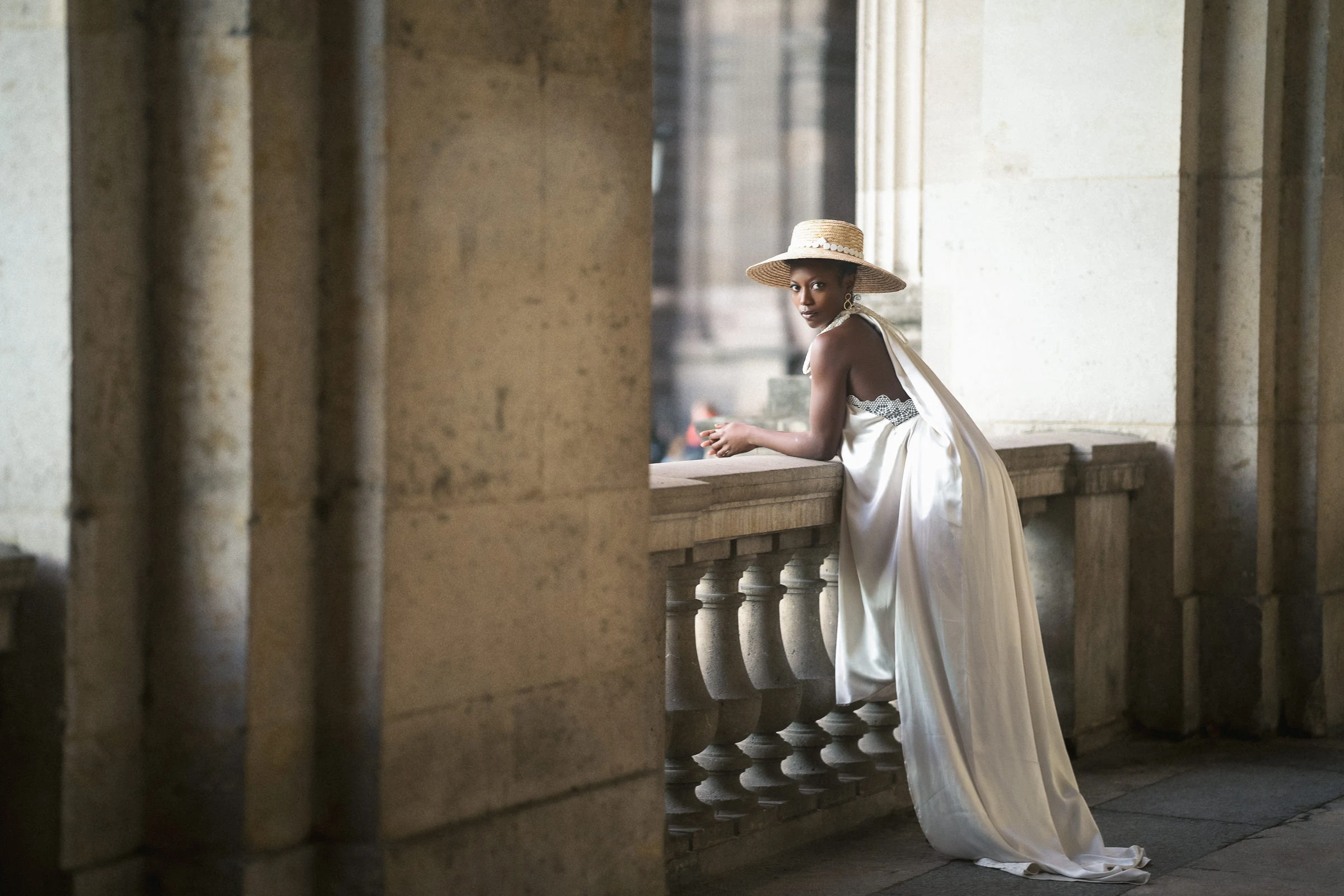
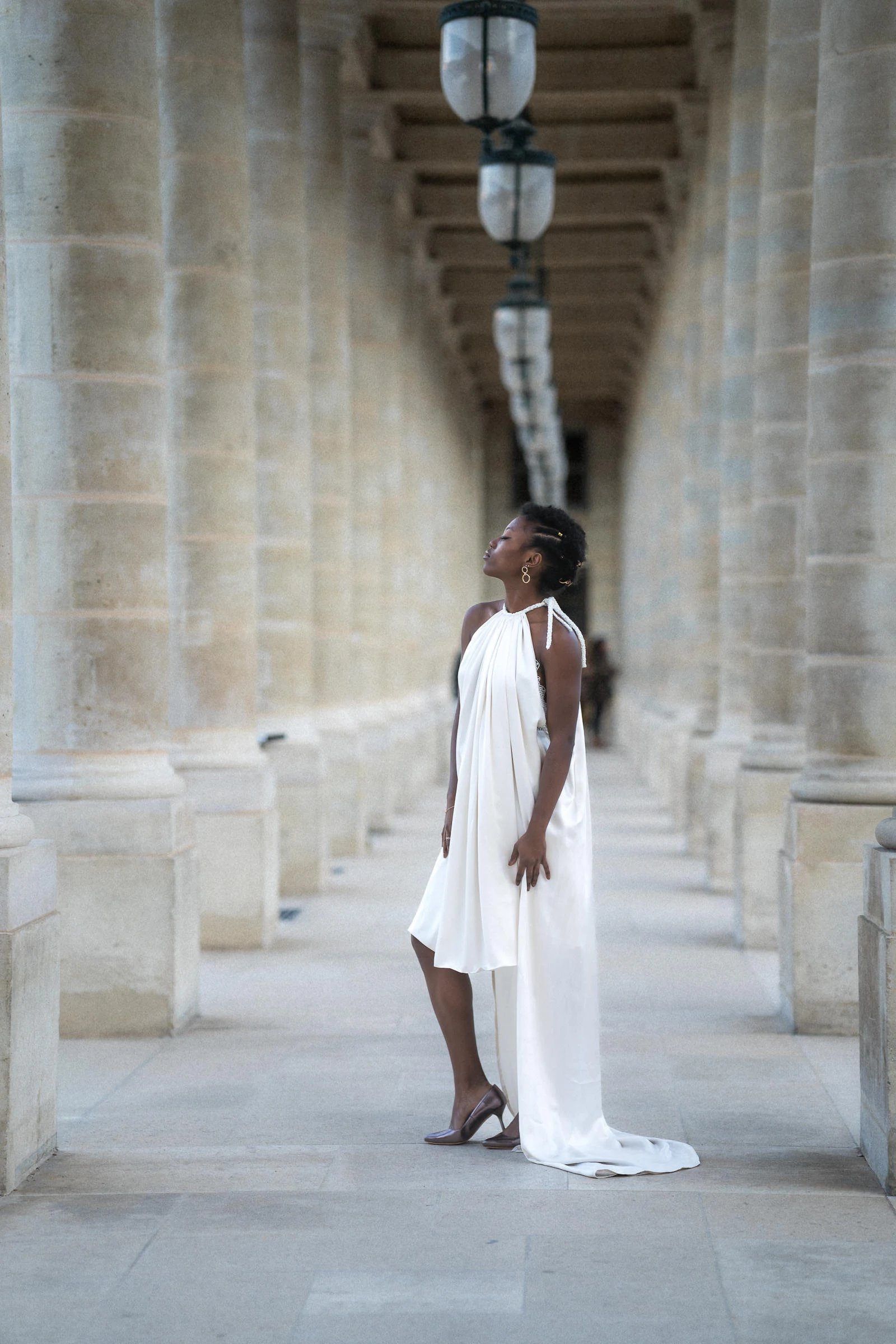
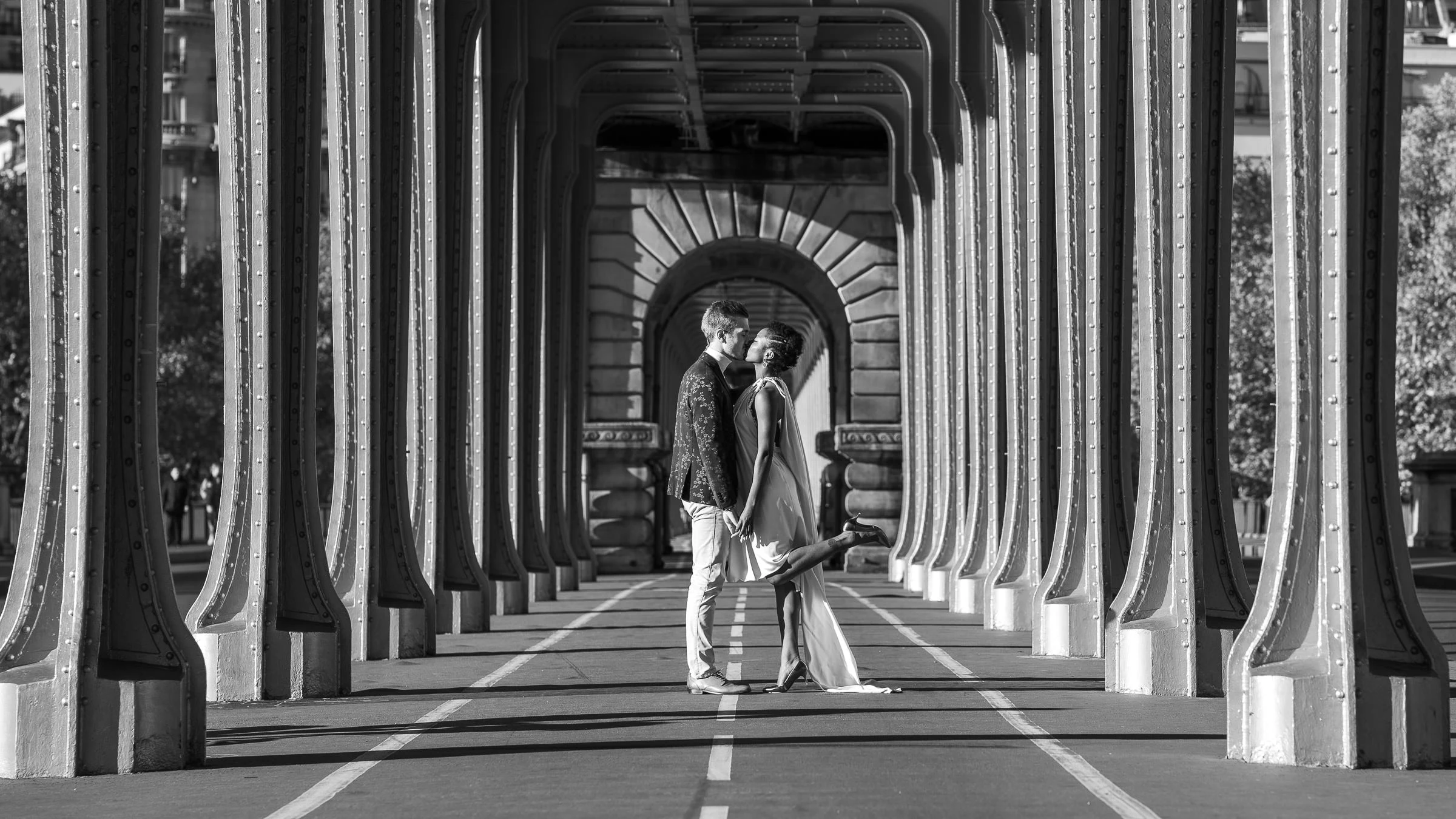
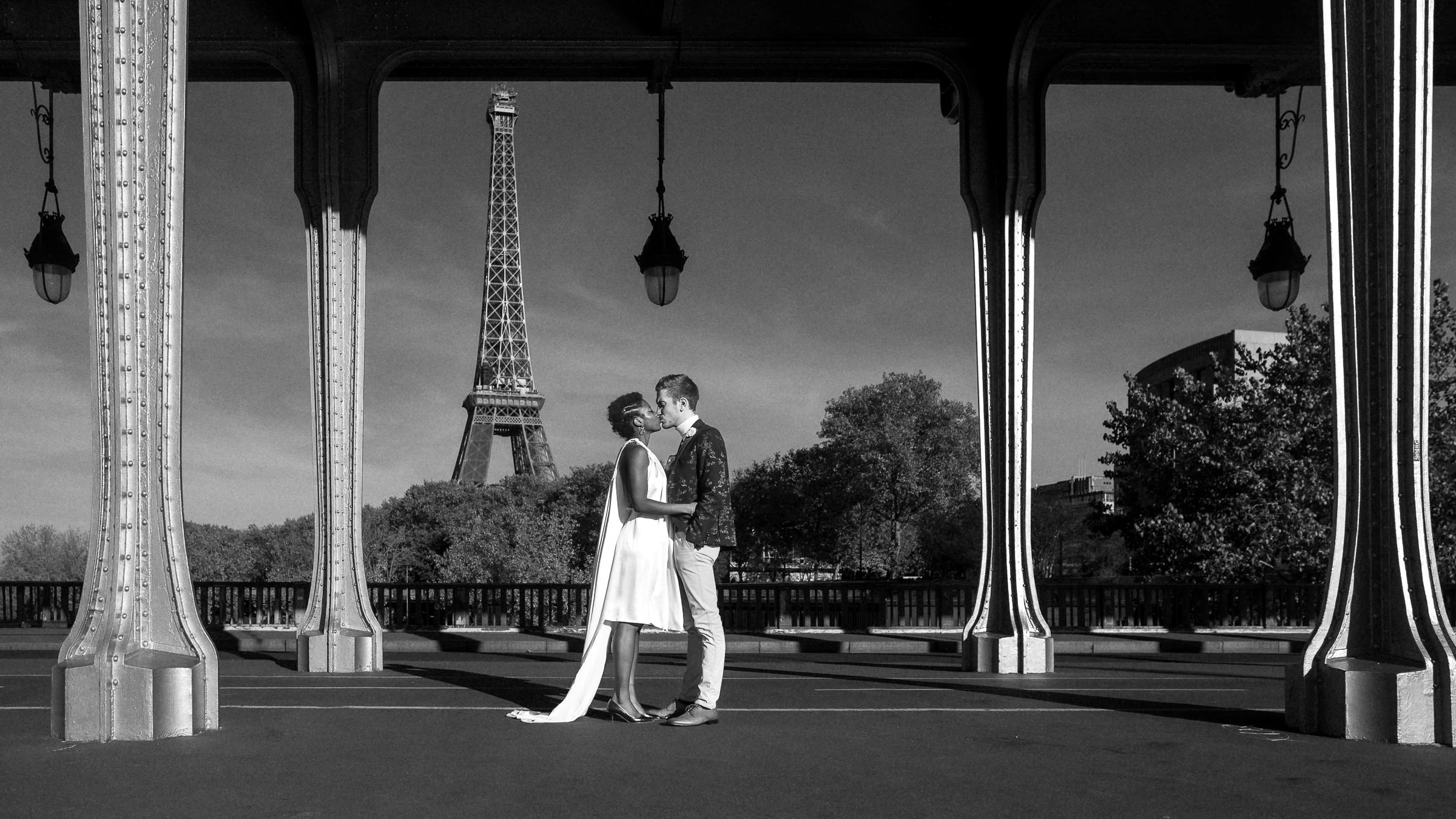
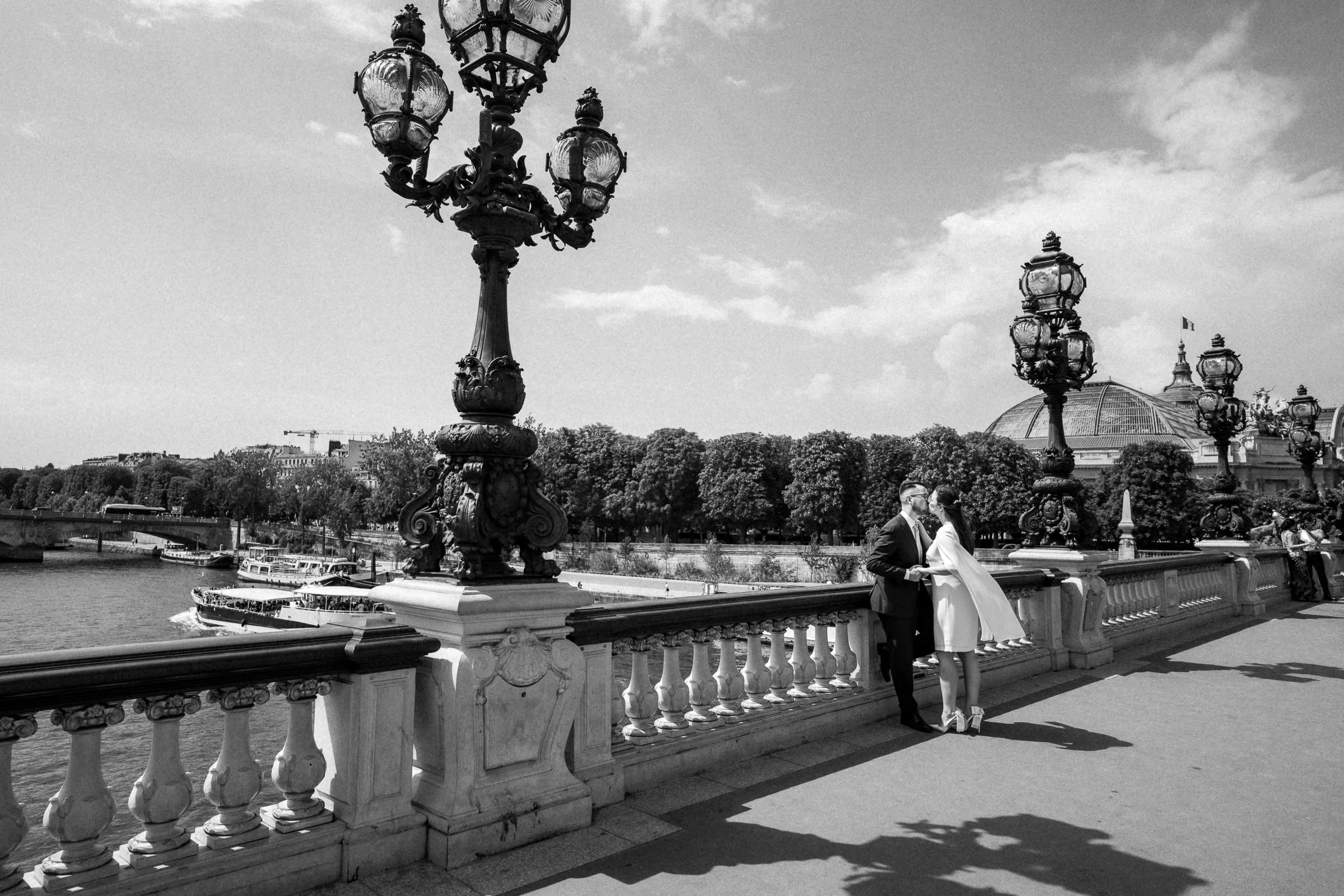
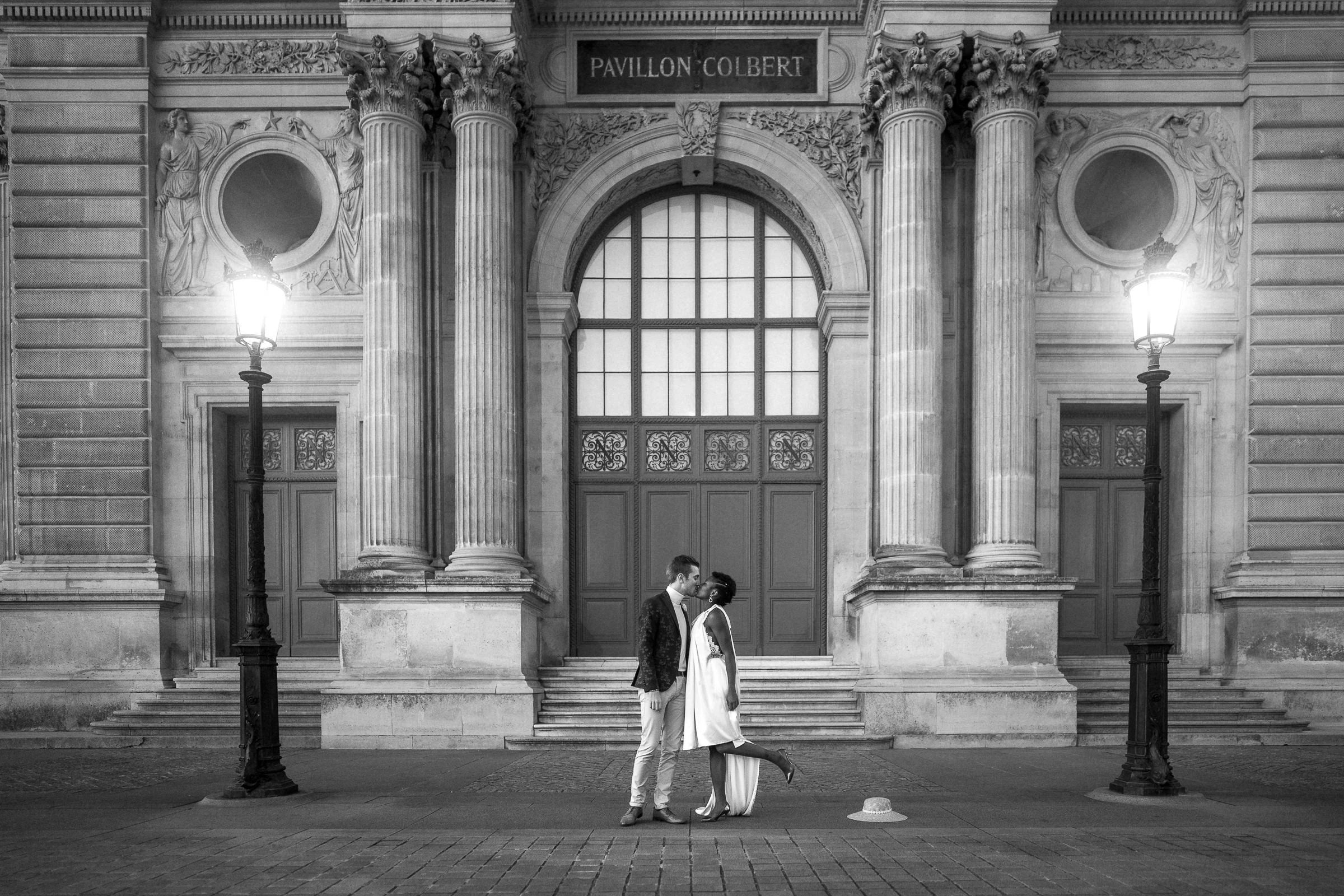
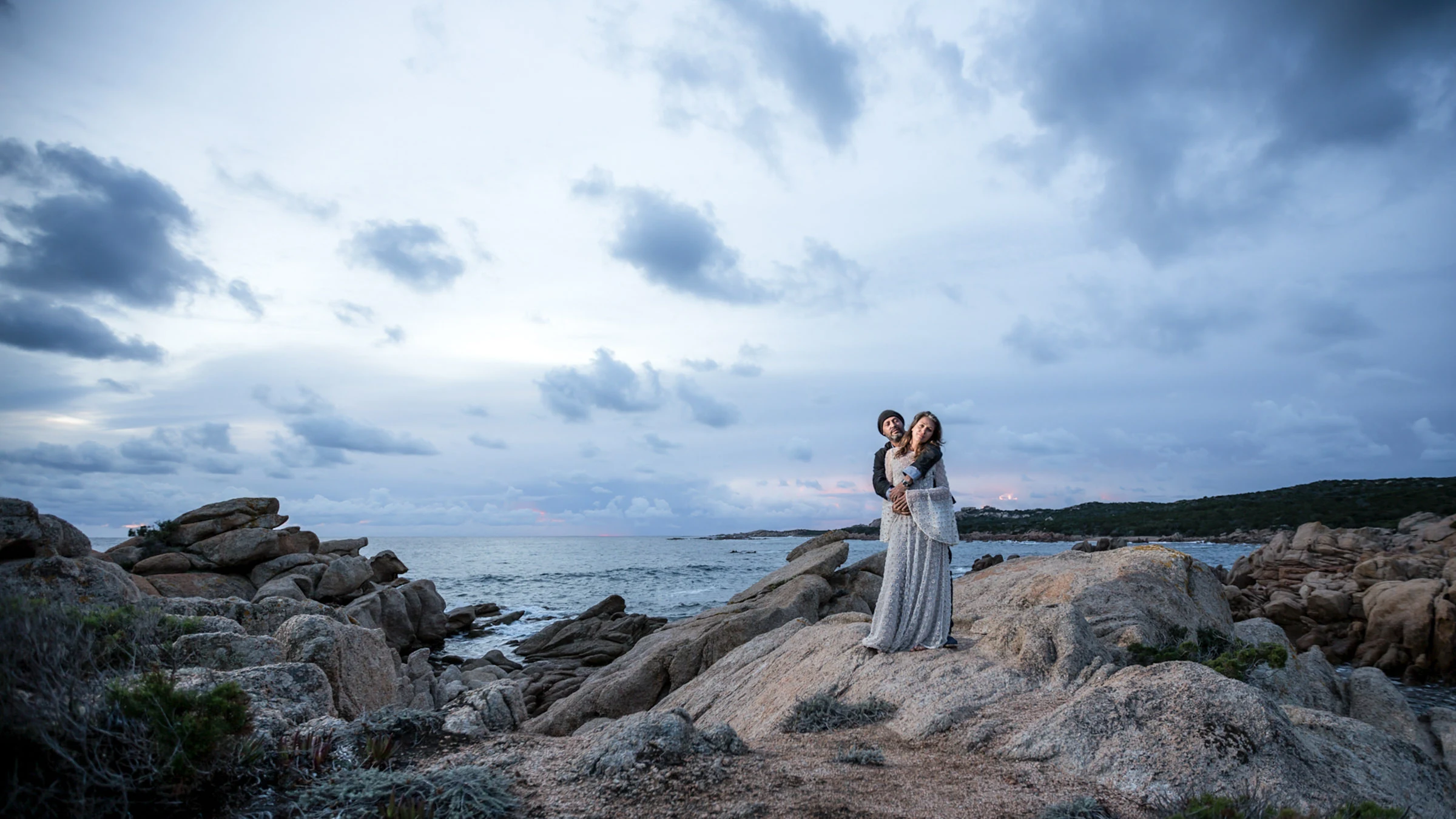
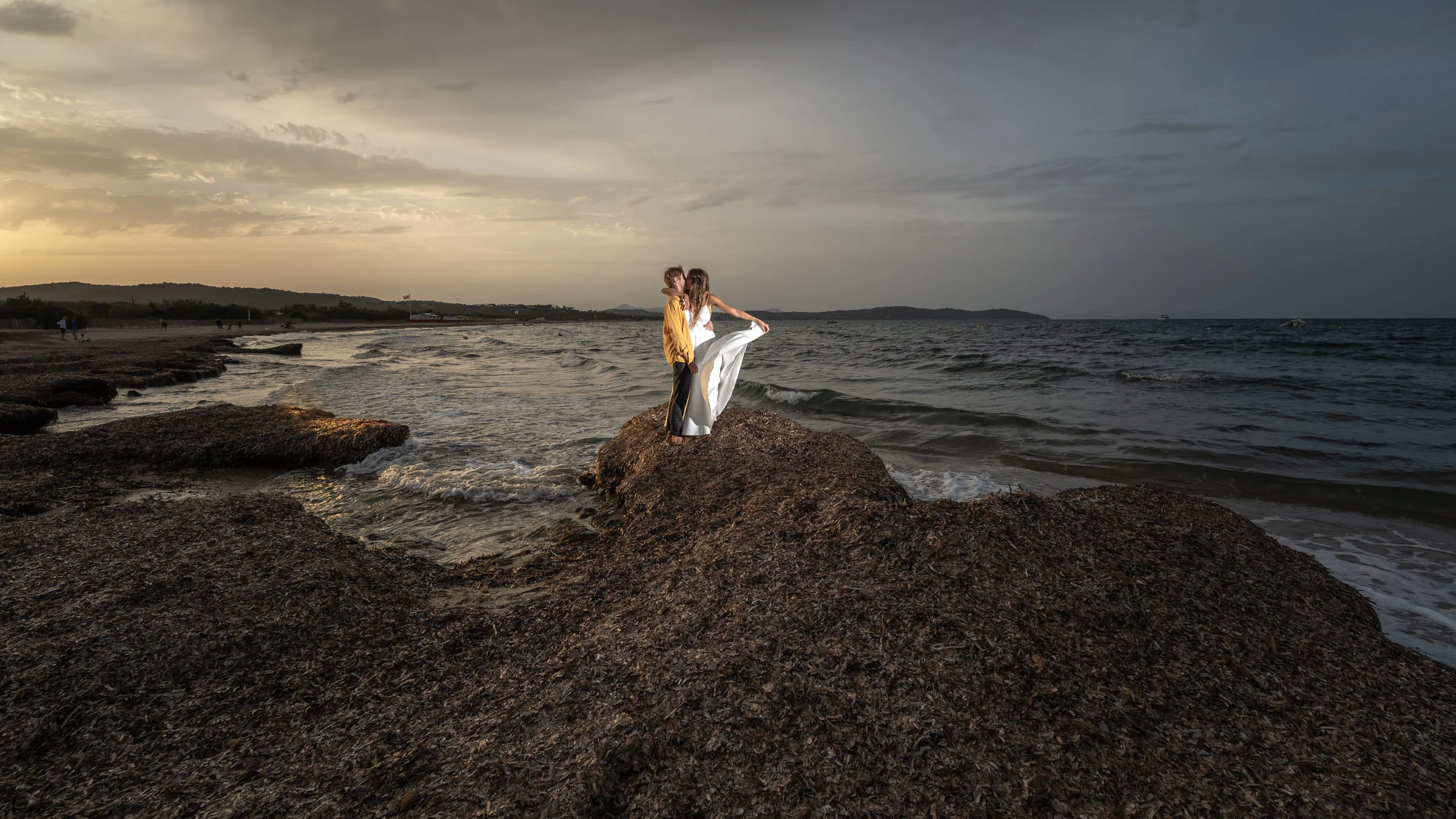
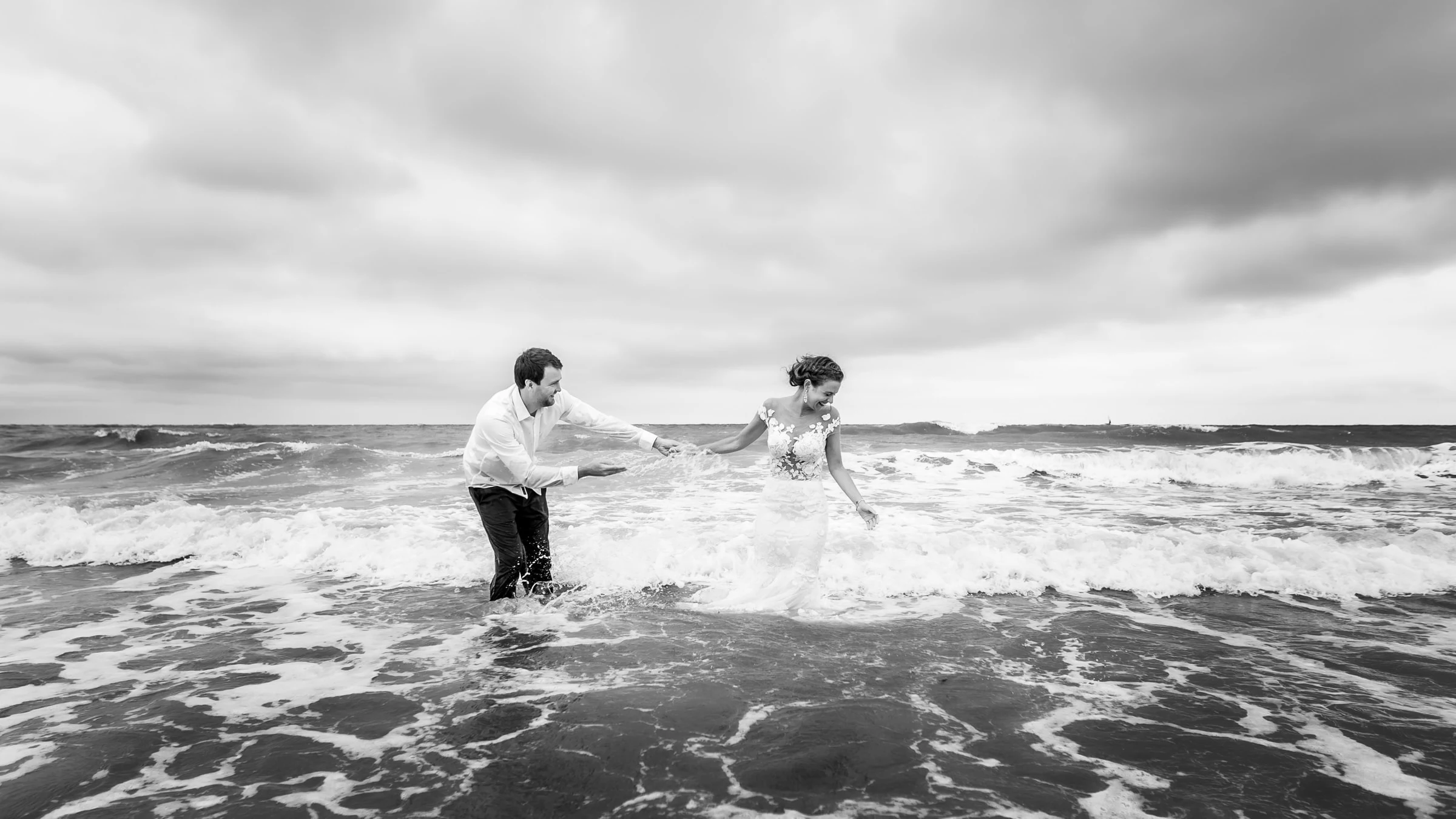
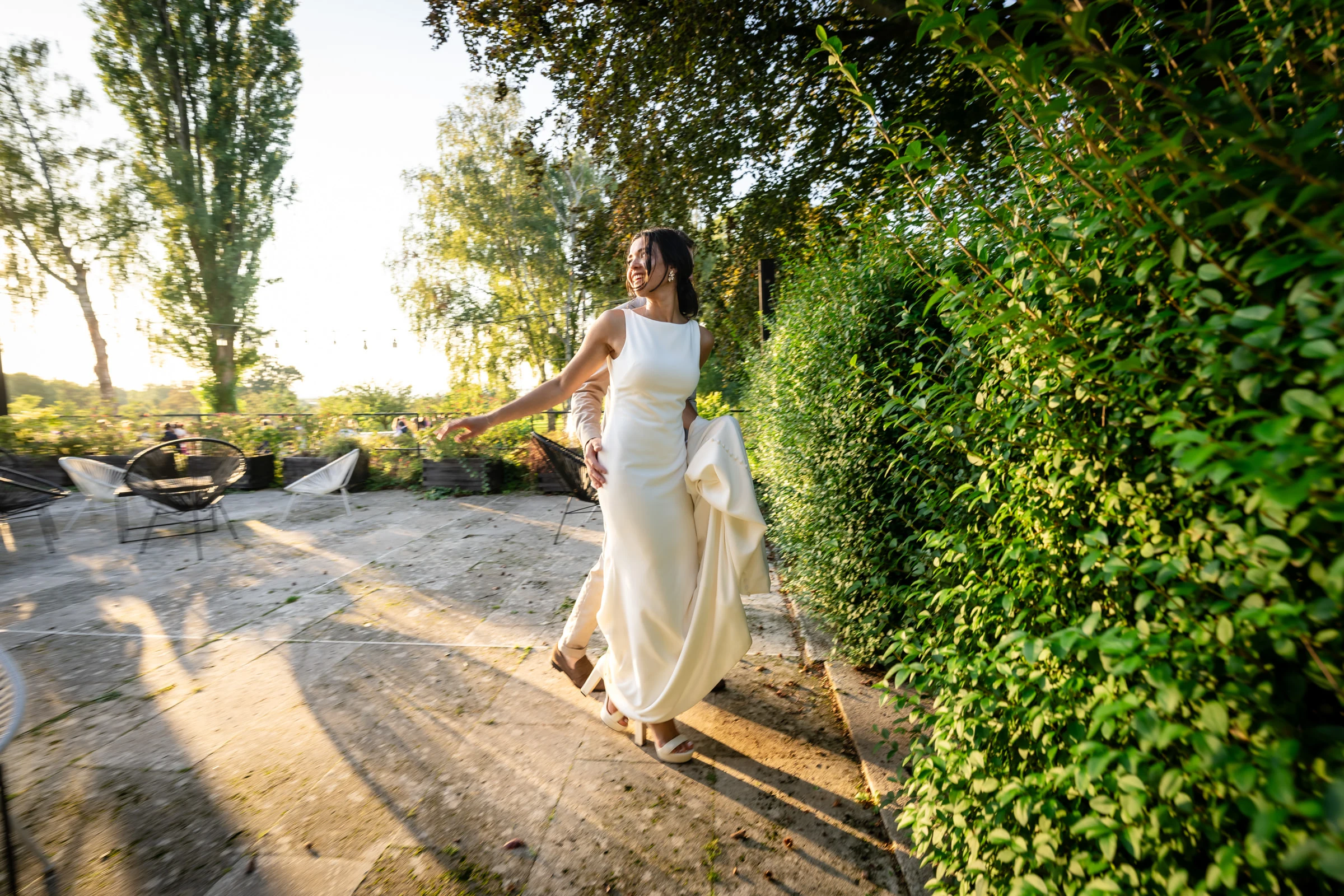
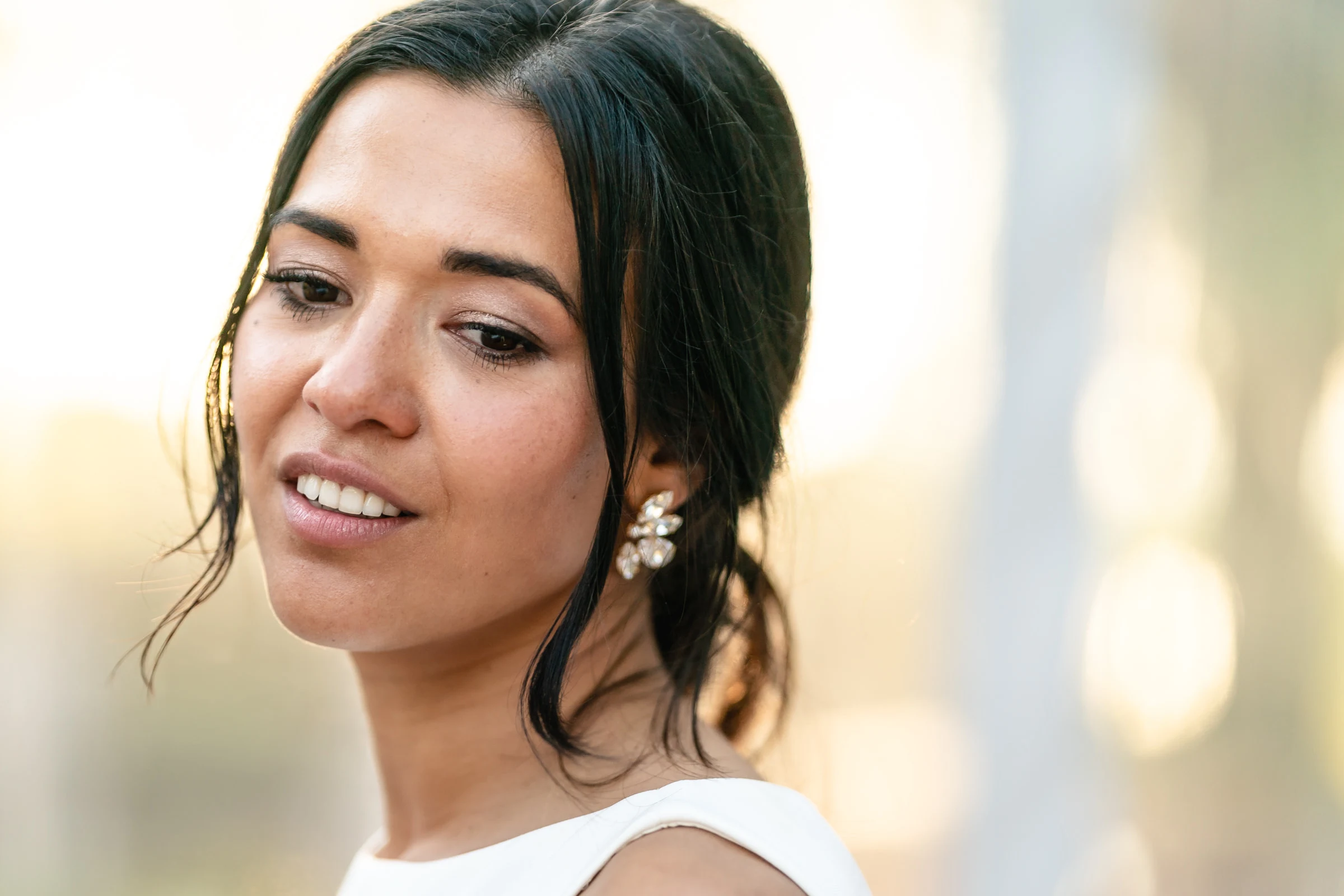
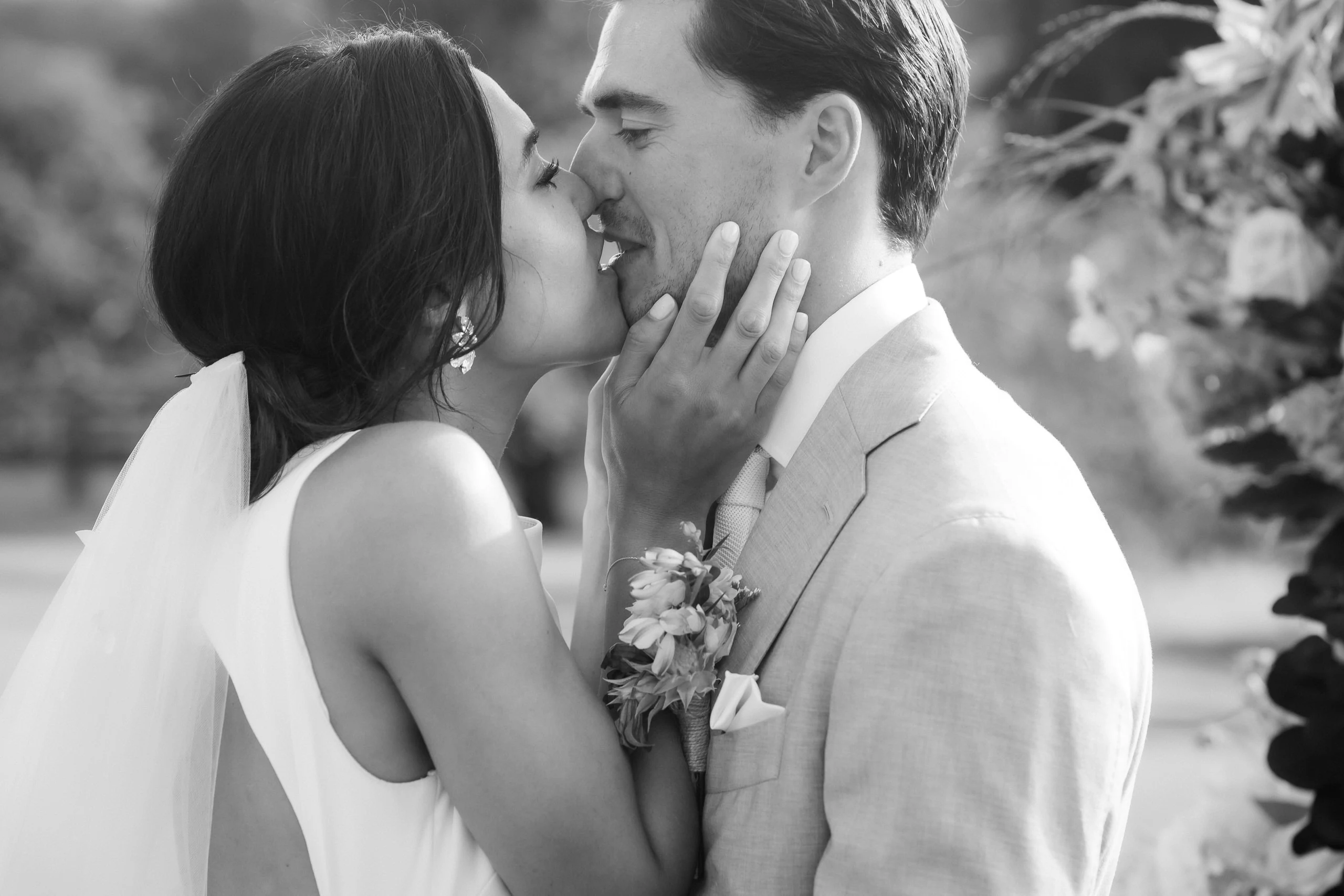
Your photographs may look like a magazine’s: I care about light, framing and the texture of an image. But above all they will look like you: your gestures, your people, your day as it actually happened.
Many high-end photographers today work in an editorial style, close to magazines. It makes beautiful pictures, and some couples recognise themselves in it completely. The real question lies elsewhere: is it yours?
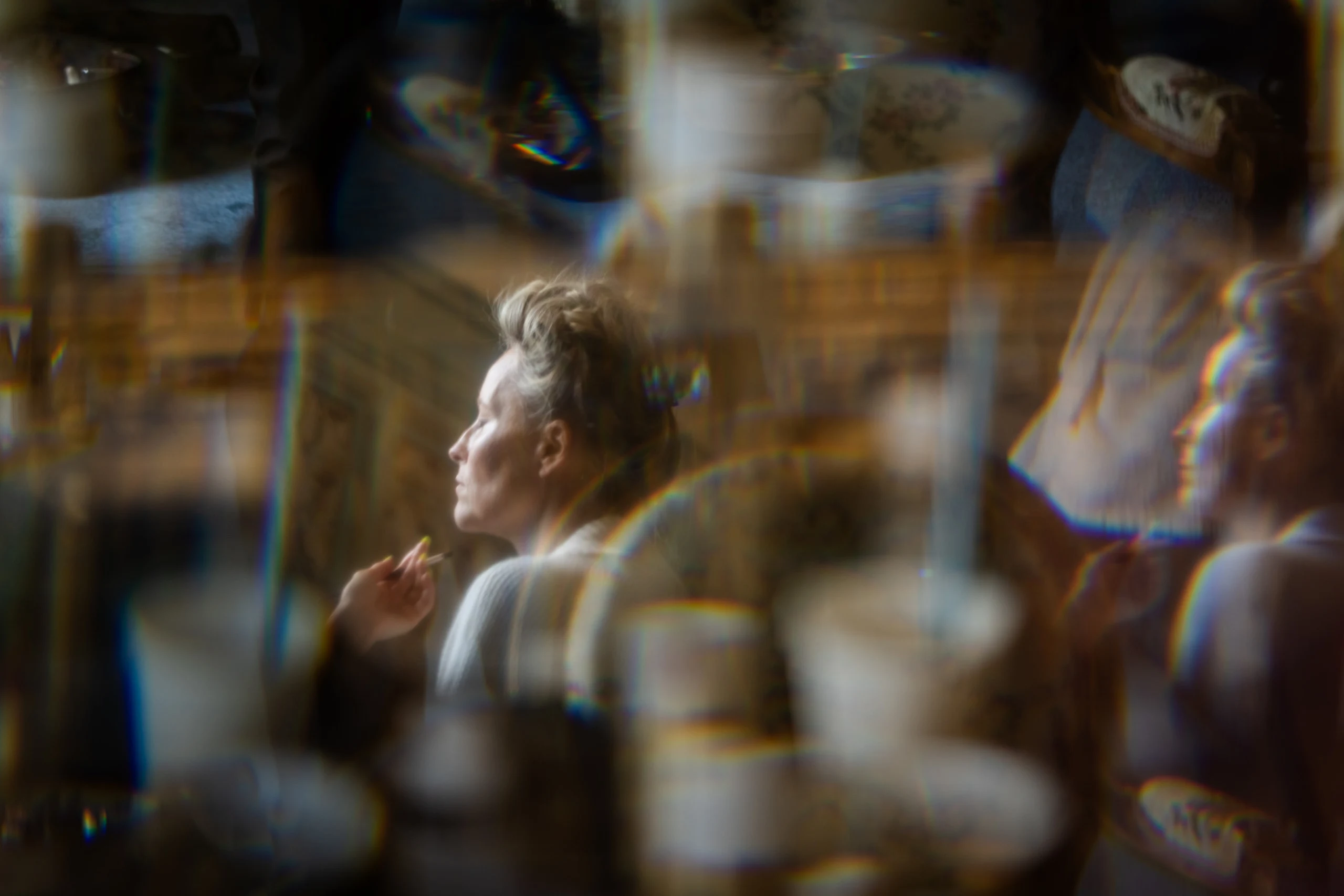
Nearly twenty years in this work have taken me through many practices: the studio, the stage, reportage, fine-art portraiture. I do not arrive with a style to apply. I arrive with all of that, and I choose what your day asks for: your venue, your light, your colours, your two personalities. They decide. Not this year’s trend.
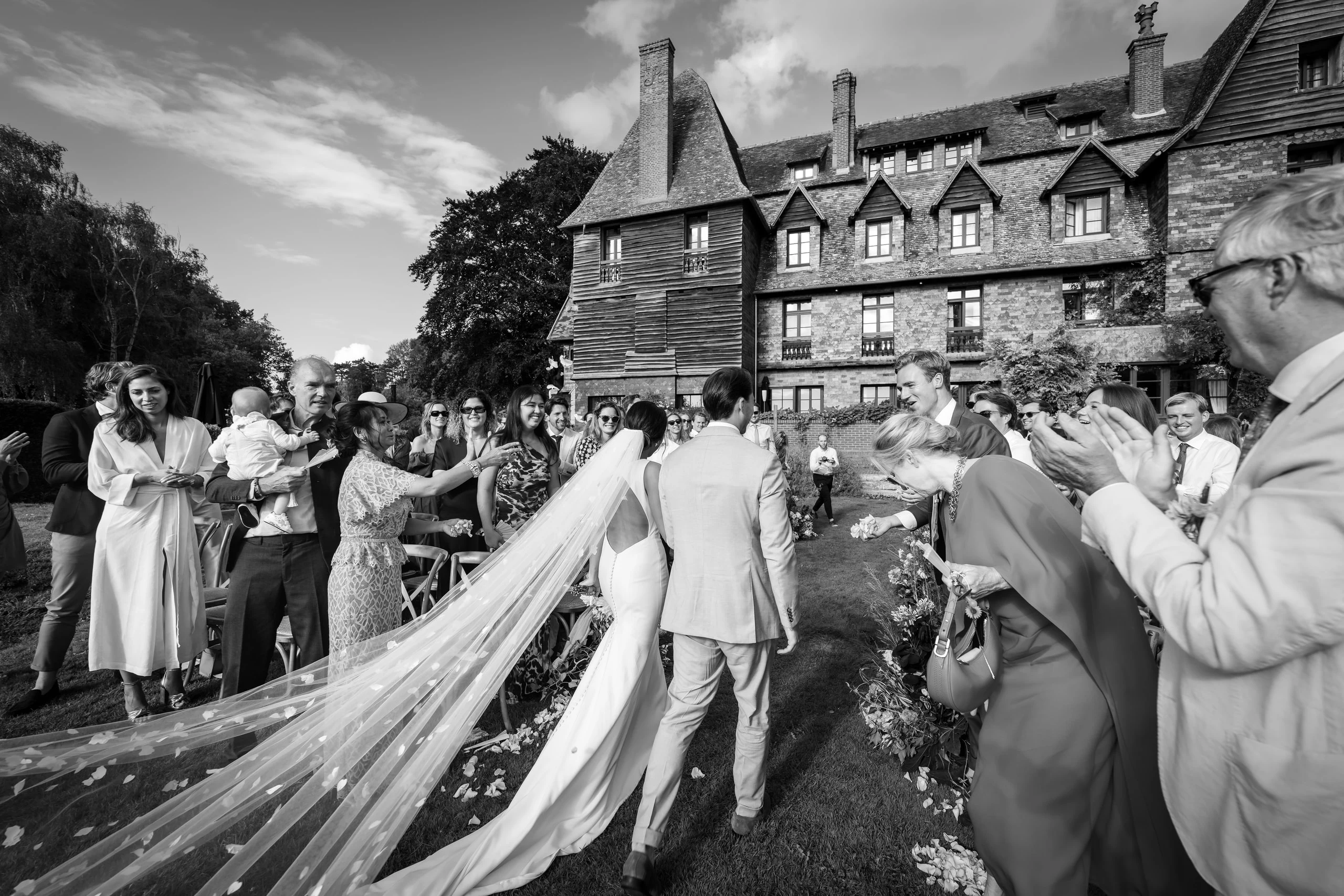
In the gallery you receive, there will be pictures you did not expect: what happened while you were looking elsewhere. Your guests, when no one knew they were being photographed. Couples often tell me they discover moments of their own day in it.
I take on a limited number of weddings each year, one per weekend. I like to disappear entirely into a day and give it everything, usually from the morning preparations to the last dance. That is what makes this way of working possible.
Before any booking, we meet: on a video call, or over coffee. Not to convince you. To check, you as much as me, that I am the right eye for your day. A wedding is something you entrust; it is not decided on a portfolio.
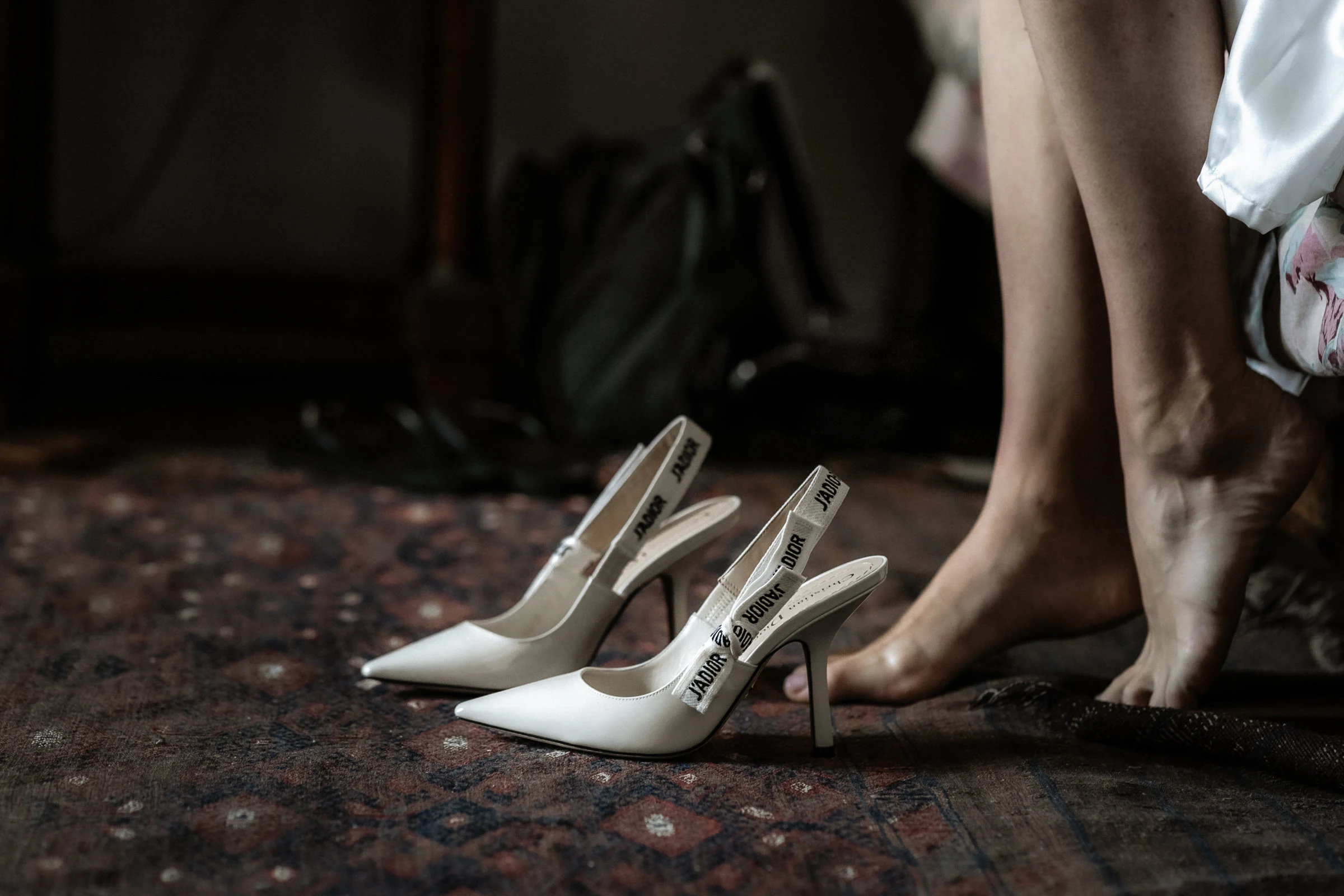
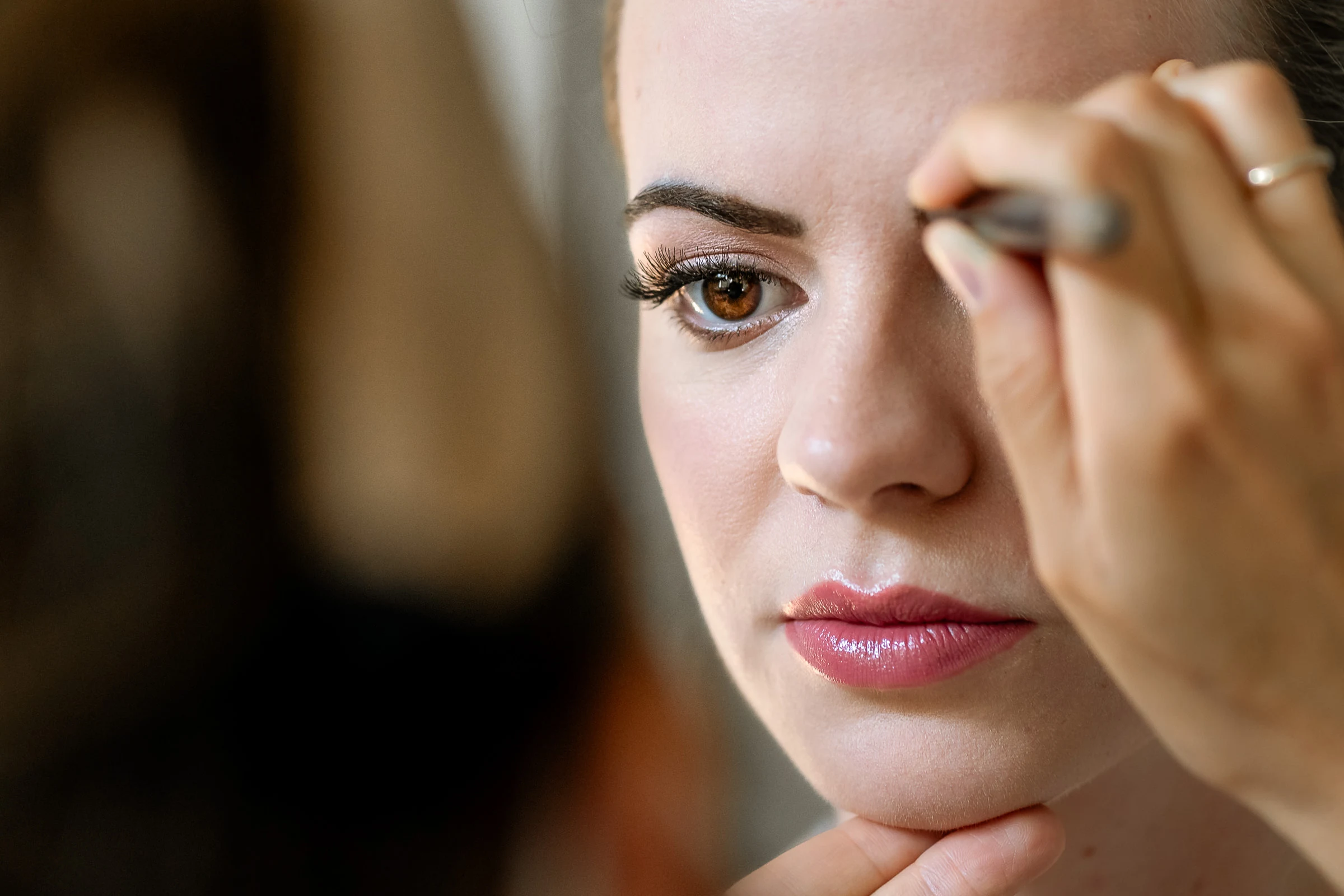
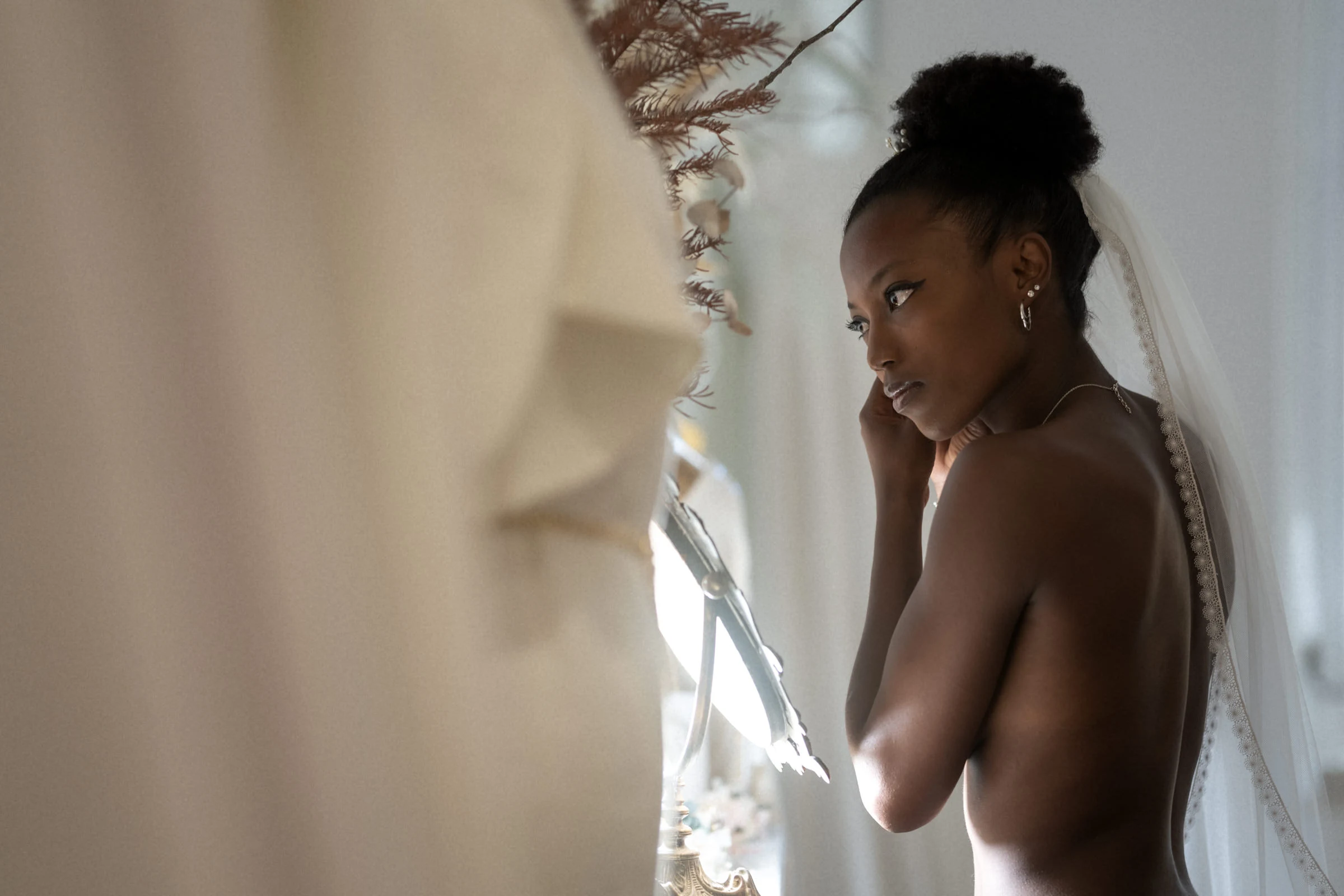
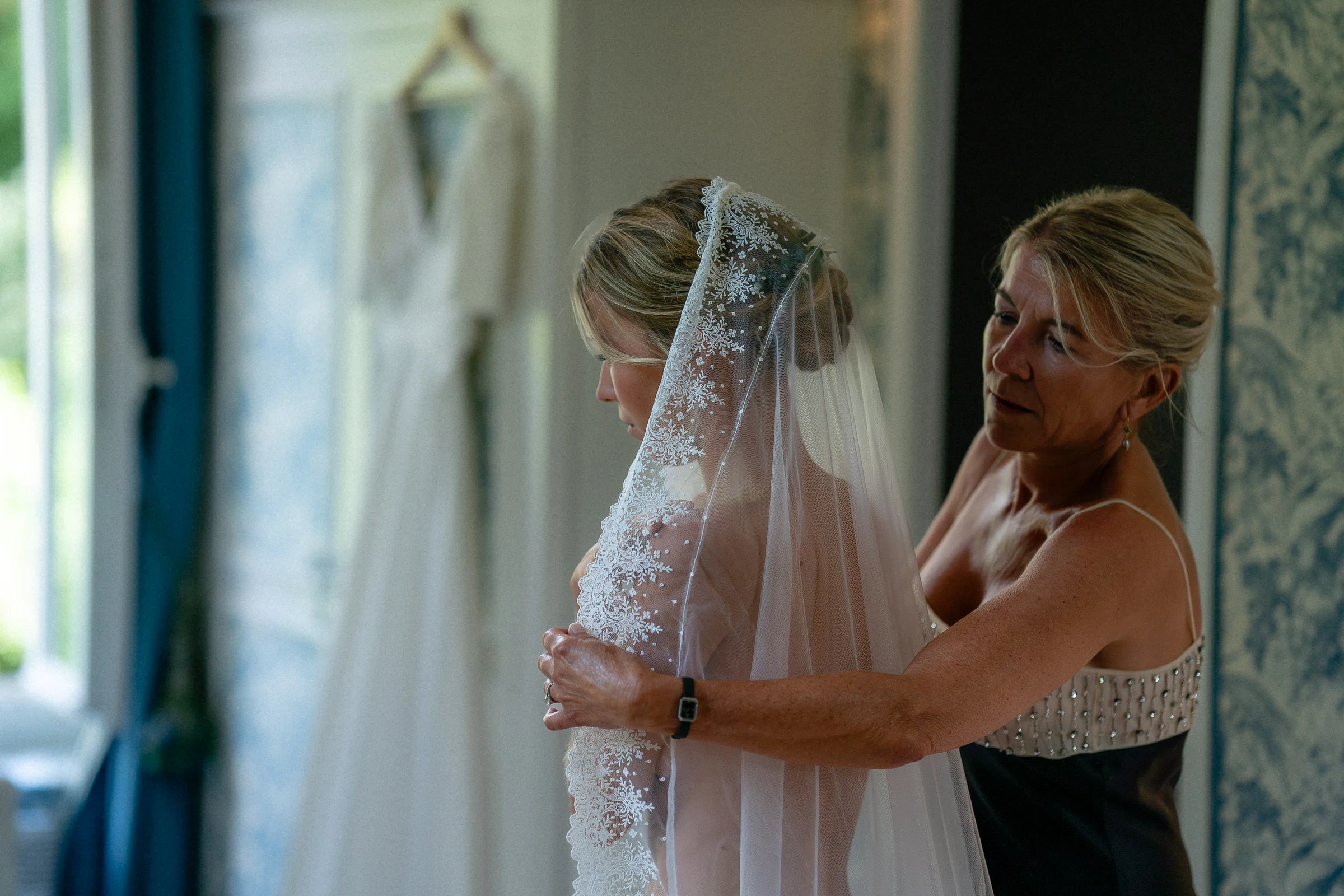
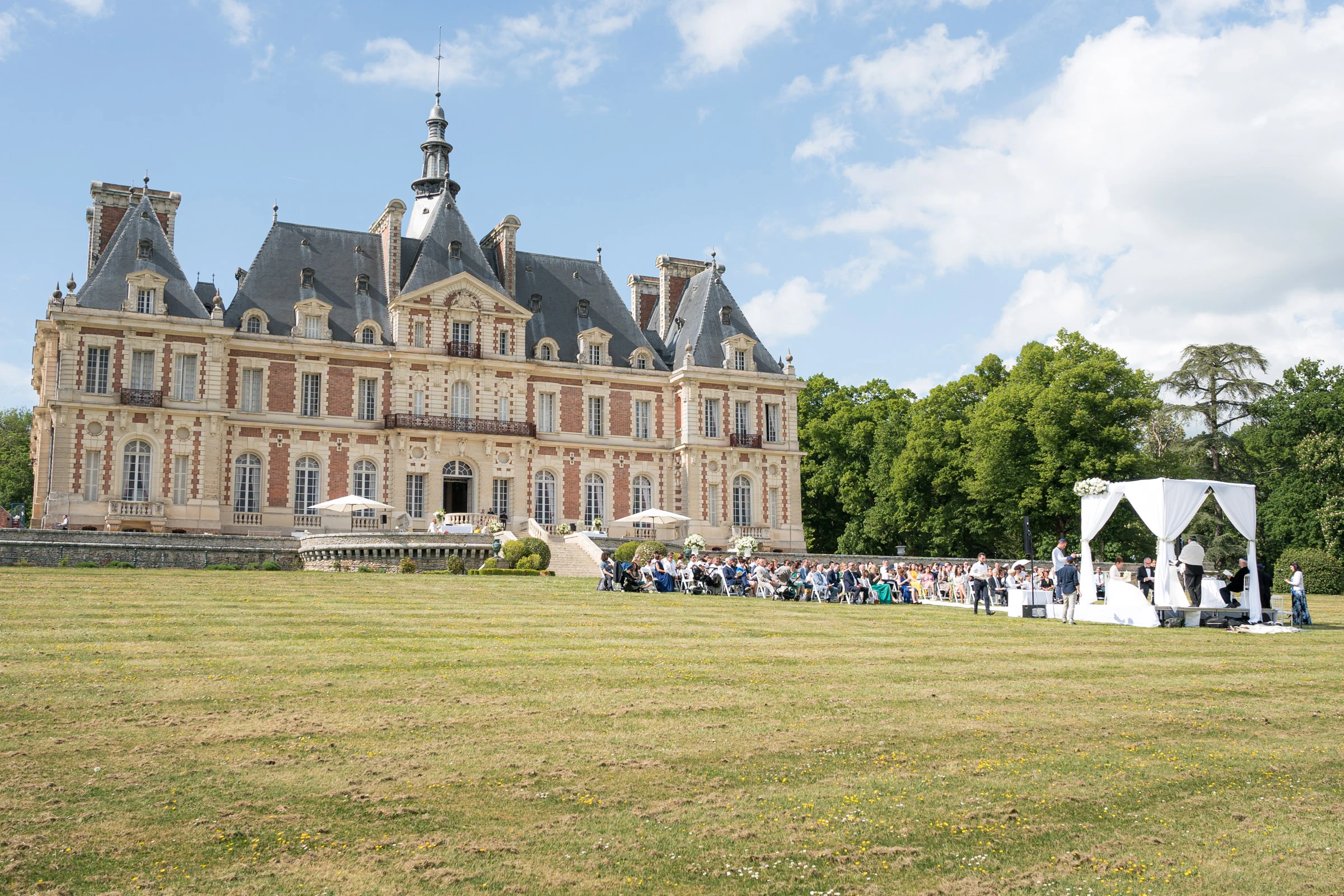
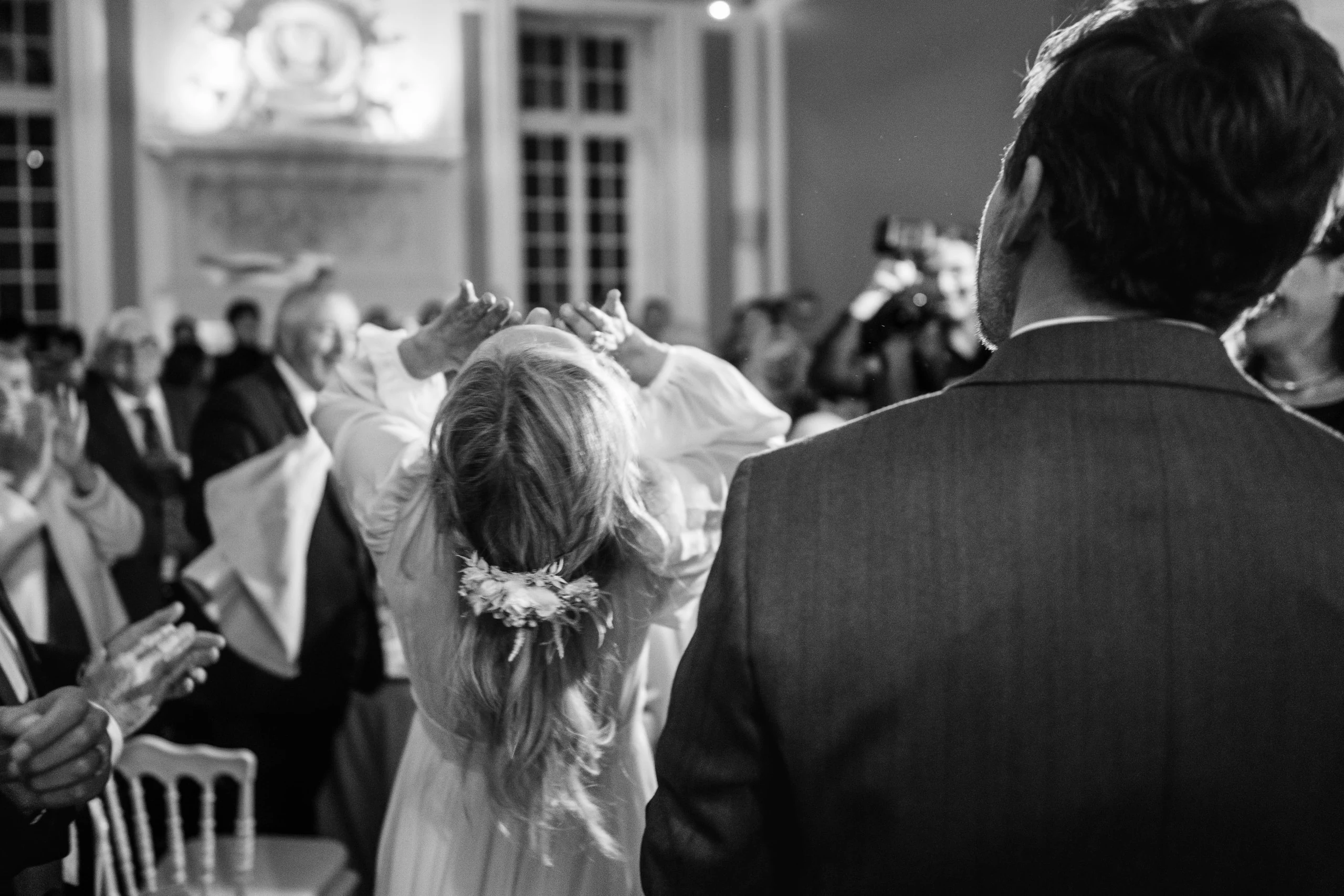
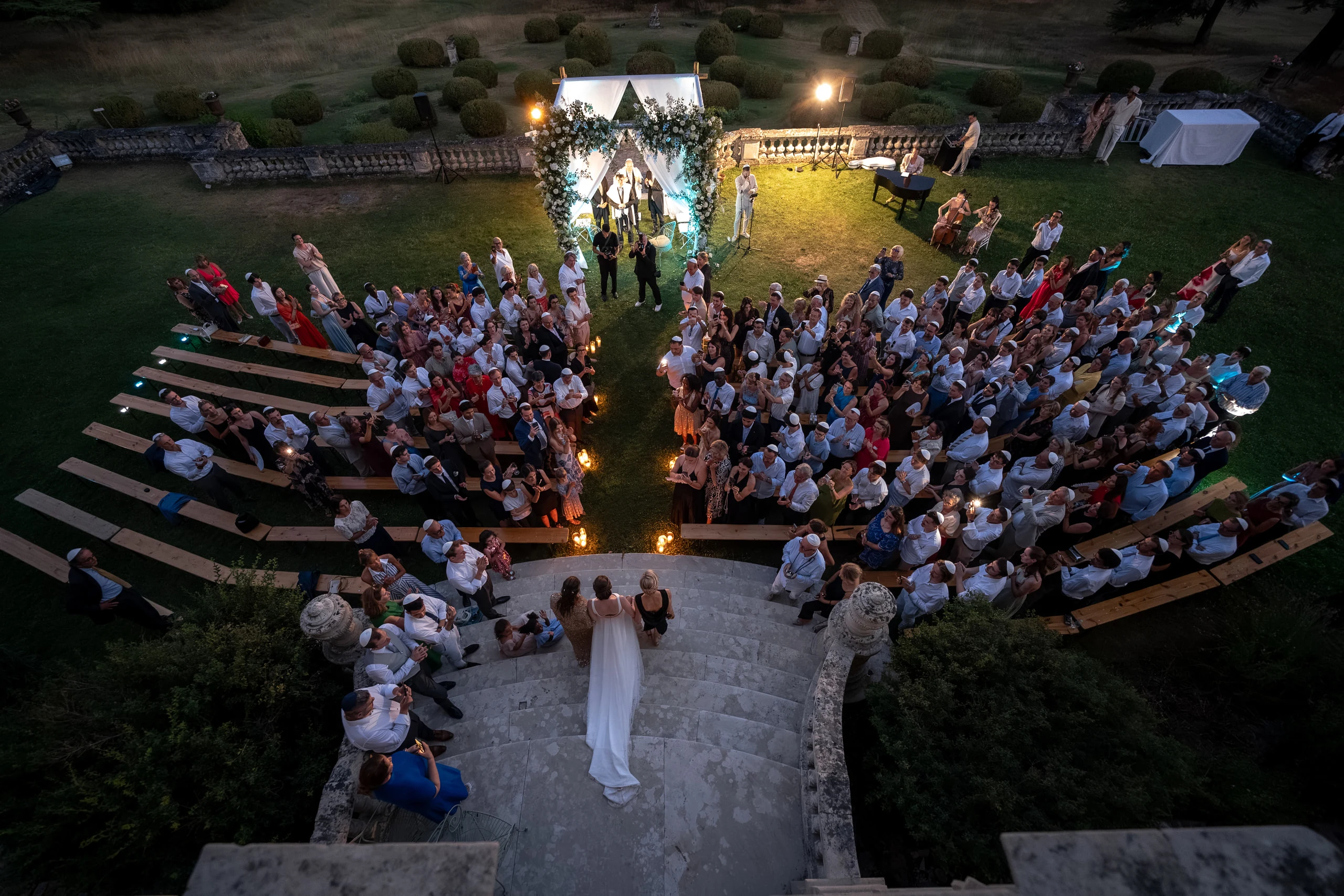
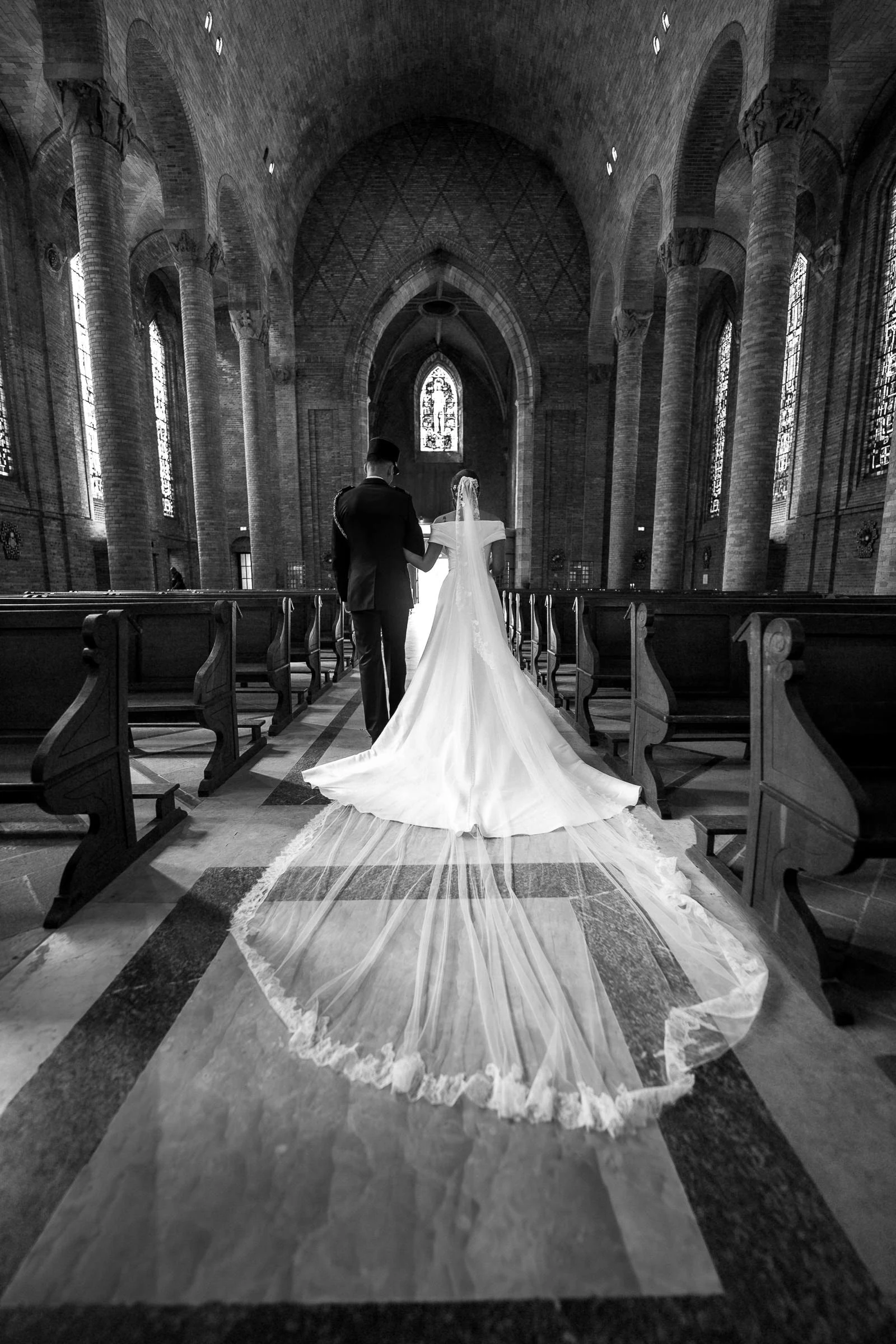
Their words
“I don’t like the way I look, and yet I find myself beautiful in the photos.”
“Every time, he listened to what we asked for and adapted his work to what we wanted.”
“He knows how to stay discreet while being very warm and smiling with the guests.”
Before you write
How much does a high-end wedding photographer cost in France?
In France, a high-end wedding reportage runs between €2,500 and €5,000 for a full day. Nathanaël Charpentier photographs weddings from €2,700, one wedding per weekend. The fullest collection, L’Héritage, is €4,800: fourteen hours, from the preparations to the heart of the evening. La Signature, ten hours at €3,300, is the most requested. L’Expérience, six hours at €2,700, covers the core of the day.
Why is a professional wedding photographer so expensive?
A wedding cannot be done again, and that shapes the price far more than any list of costs. A photographer past the stage where attention is swallowed by settings can give it all to what matters: anticipating the moments that step out of the ordinary. That availability rests on bodies costing €3,000 to €6,000, at least two on the day, on training taken up again every year, and on one simple exclusivity: a single wedding per weekend. It continues long after the day itself, in post-production handled image by image, with no automatic filter.
What are the different wedding photography styles?
There are two axes worth keeping apart. In narrative: documentary, which keeps moments as they happen; editorial, borrowed from magazines; fashion, glamorous and directed; lifestyle, quieter and almost cinematic; fearless, which hunts the boldest angles. In treatment: light and airy with its pastel tones, dark and moody with its heavy contrast, and color-faithful, which respects the real colour of the scene, the most demanding of the three, since everything is decided at the moment of capture. With Nathanaël Charpentier the choice is made with the couple, according to what they love and what the day’s light allows.
Do you photograph weddings at Loire Valley châteaux?
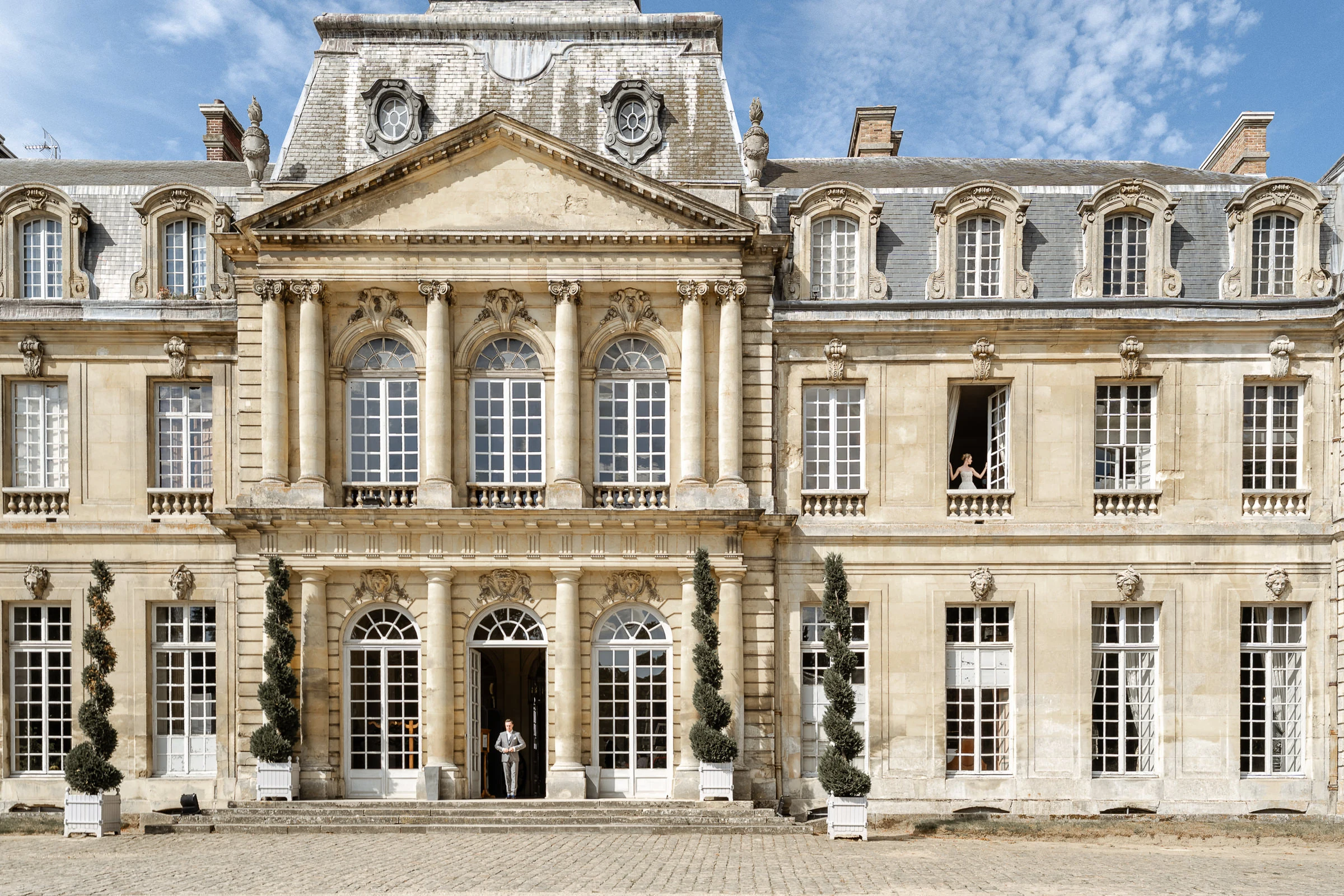
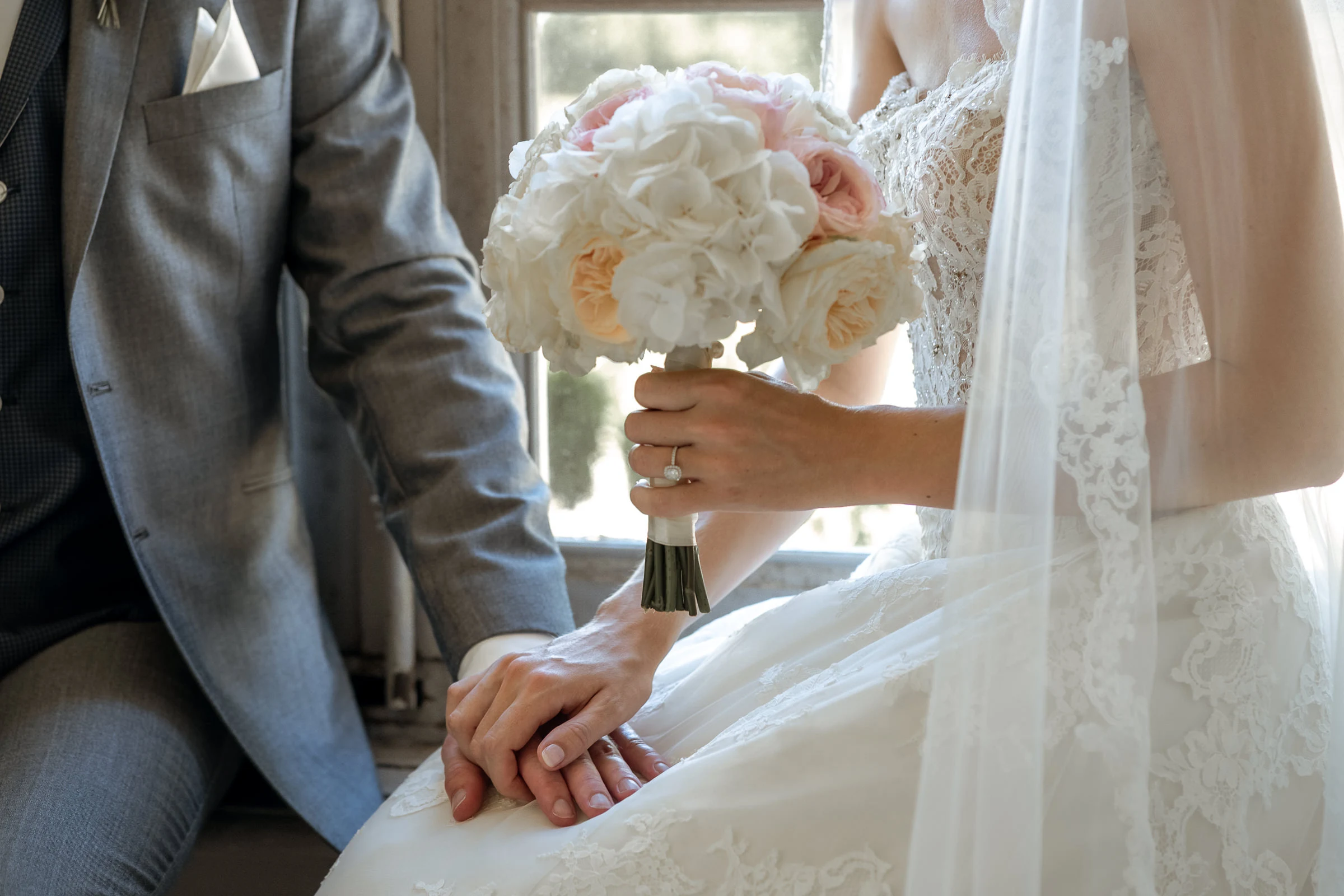
Yes. Based in Gien, between the Sologne and the Loire Valley, an hour and a half from Paris, Nathanaël Charpentier photographs a limited number of château weddings each year, documentary-first. Collections from €2,700.
Where have you photographed weddings?
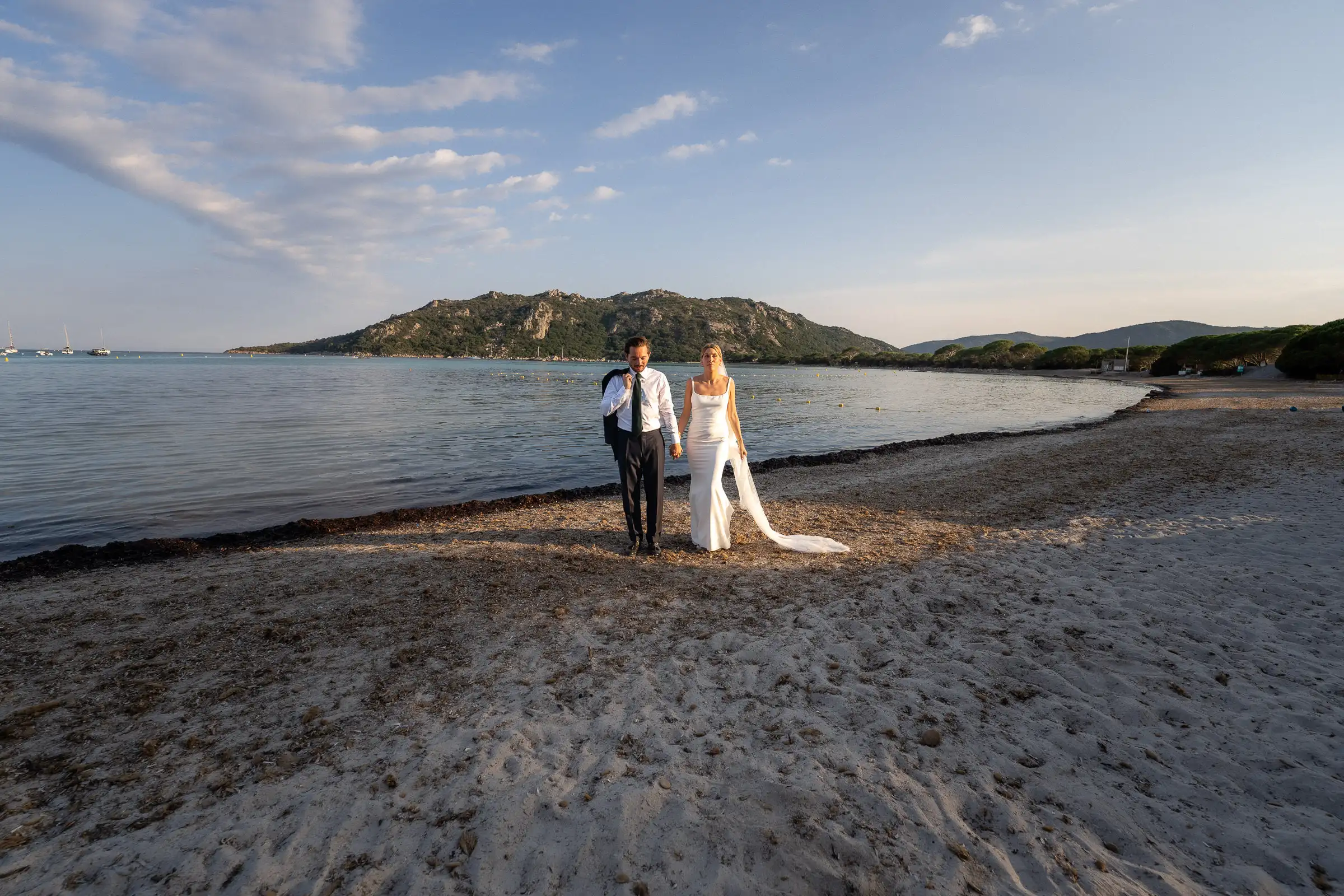
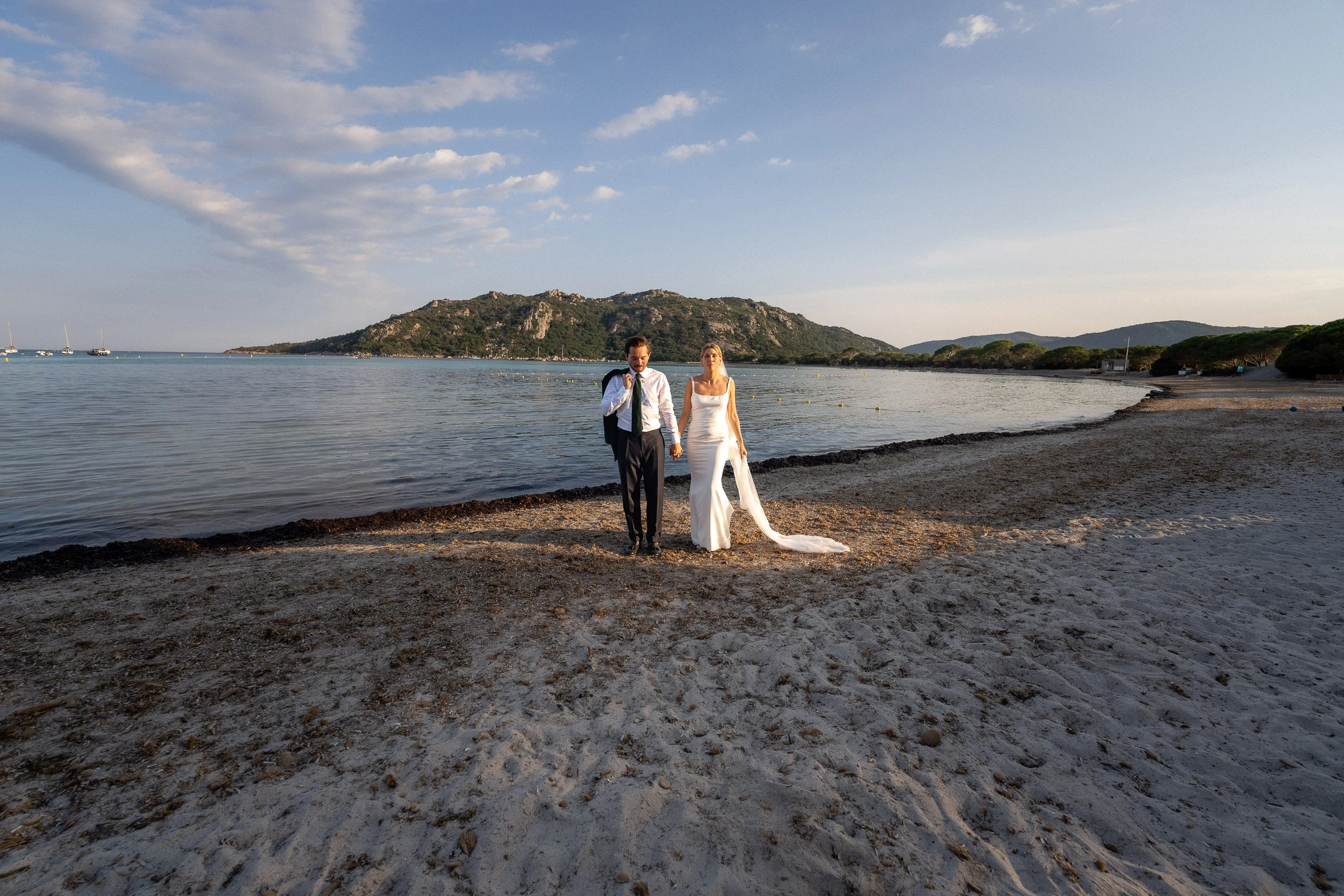
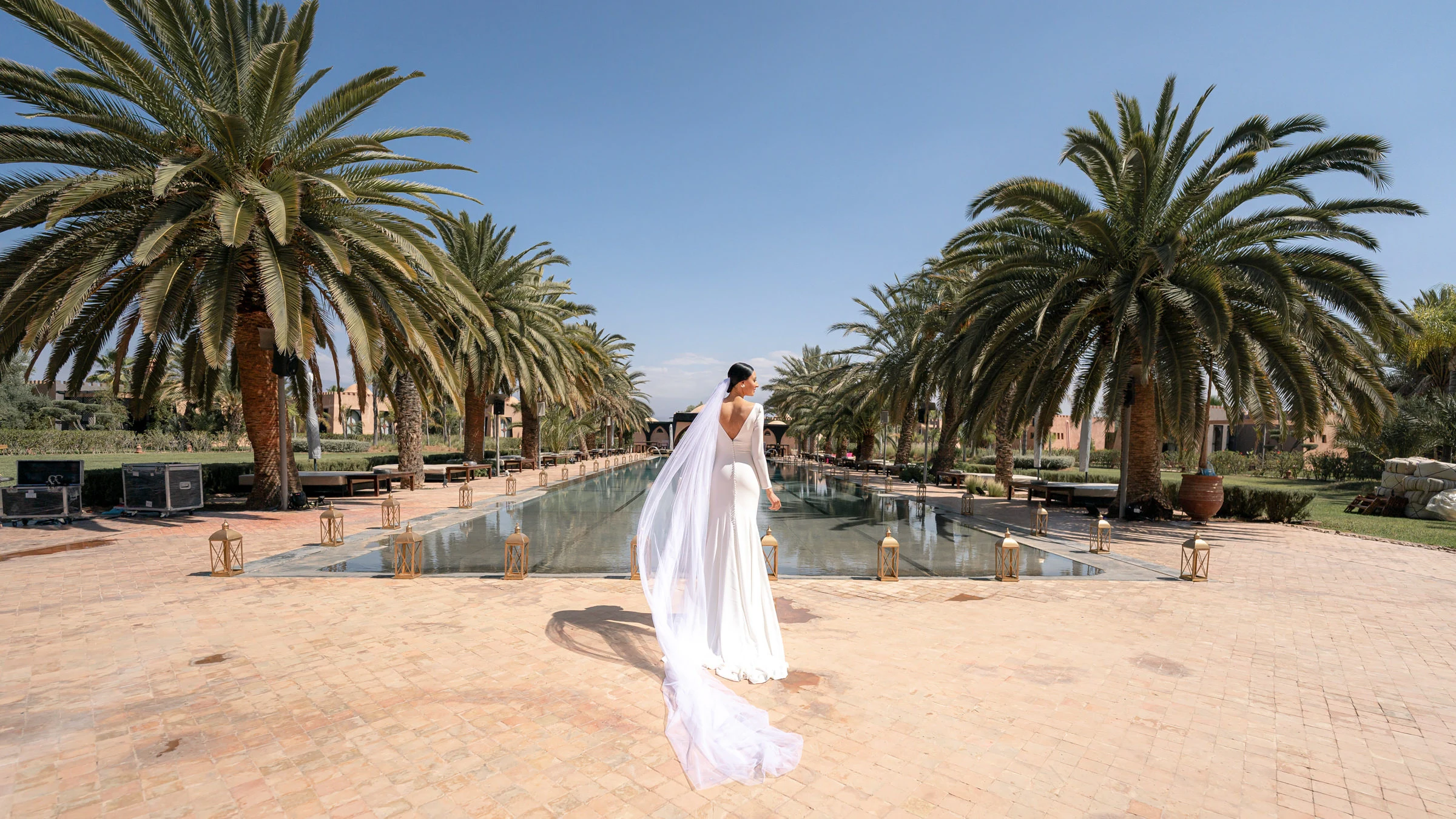
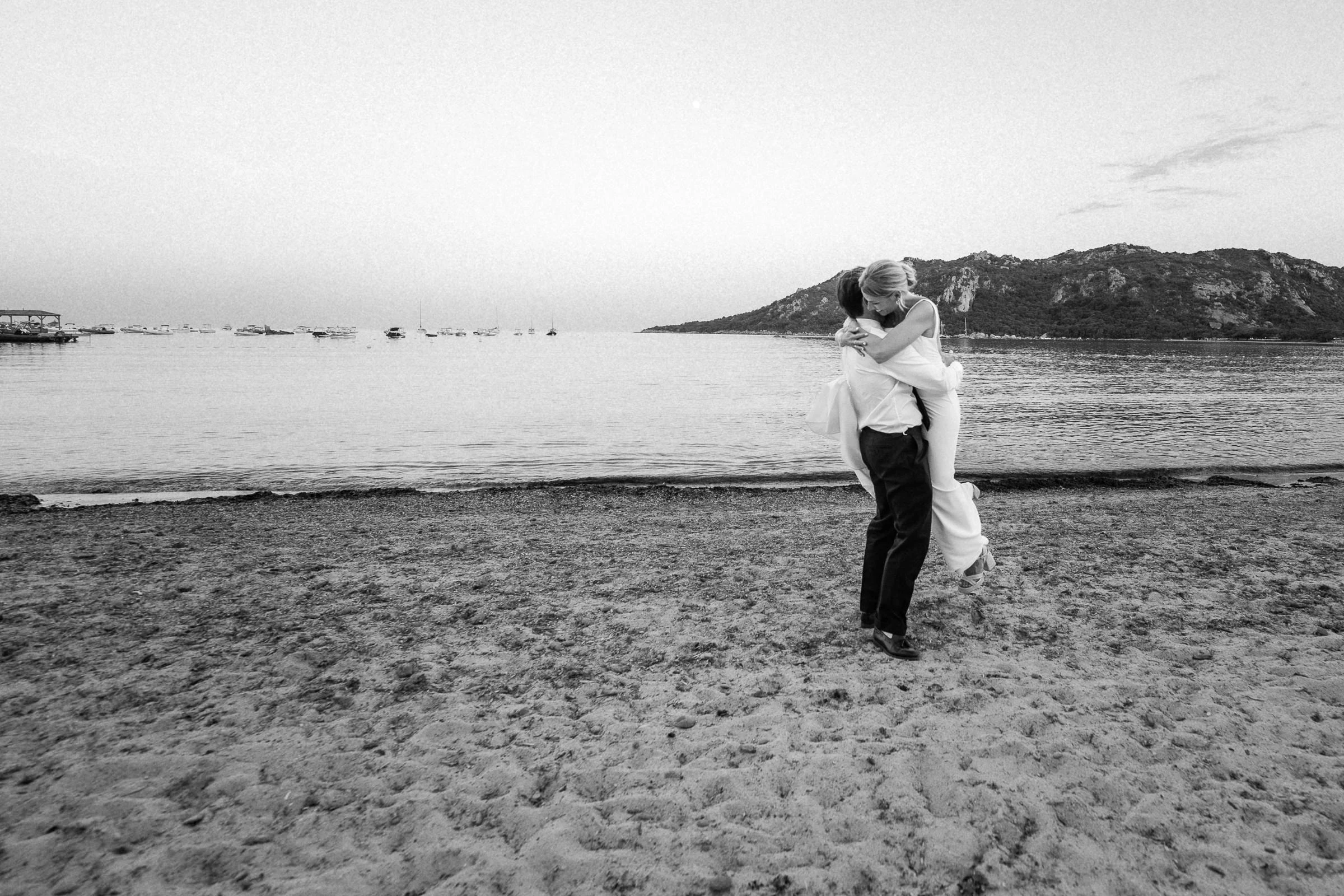
In the Loire Valley and the Sologne, in Paris and Normandy, and abroad: Corsica, Andalusia, Brussels, Marrakech, Mauritius and the Seychelles. Seven countries so far, and wherever he is invited.
Do you speak English?
Yes, enough to make your guests smile and your grandmother comfortable. Planning calls happen in English or French, as you prefer, and contracts are available in English.
Your day is being planned somewhere. Write me the date, the place, what you picture.
Write to Nathanaël